Help us get this right
Does this portrait look right for Atlantic Creoles?
Nobody has judged this one yet. You would be the first.
Atlantic Creoles Erotic
Trading enclaves of the West and Central African coast (Cape Verde, Senegambia, Elmina in Ghana, São Tomé, Luanda in Angola), later Atlantic colonies including Virginia, New Netherland, Spanish Florida and the Caribbean.
Portuguese-based trade pidgins and creoles, alongside Wolof, Akan, Kikongo and Kimbundu (Niger-Congo) and European languages such as Portuguese, Spanish, Dutch and English (Indo-European).
Largely Catholic Christianity, often combined with West and Central African religious practice; Dutch Reformed and Anglican affiliation in the northern American colonies.
Luso-Africans of Cape Verde and Upper Guinea, Euro-African families of the Gold Coast, Christian Kongolese and Angolans of Luanda, and the charter generations of the Chesapeake, New Netherland, Spanish Florida and Louisiana.
About Atlantic Creoles People
The Atlantic Creoles were a historical population of African and mixed African and European descent who took shape in the trading enclaves of the West and Central African coast from the late 1400s, spread around the Atlantic rim through the 1600s, and lost their distinct footing once plantation slavery hardened around 1700. Their descendants fold into today's Cape Verdeans, the Luso-African families of the Upper Guinea coast, and the oldest African American lineages of the Chesapeake and New York. The name is a historian's label, coined by Ira Berlin in the 1990s, not something they called themselves. What made them a group was position rather than blood: they lived in the seam between African states and European merchants, and made a living from knowing both sides.
The setting was Elmina, the Cape Verde islands, São Tomé, the Senegambian river ports and Luanda. Portuguese men who settled under African rulers, the lançados, married into local families, and their children grew up as brokers, interpreters, pilots and sailors. They spoke a Portuguese-based trade creole alongside Wolof, Akan, Kikongo or Kimbundu, and picked up Spanish, Dutch or English as the trade shifted. Many were Catholic, carried Iberian names and wore rosaries, while keeping the kinship obligations and ritual practices of their mothers' people. In Kongo, where the court converted in 1491, Christianity was an African institution with its own schools and lay teachers long before anyone from there was shipped west.
That background mattered in the Americas. Many of the first Africans in Virginia, New Netherland and Spanish Florida were people of this kind, a good share of them from Angola and Kongo, and they arrived already familiar with European law, religion and bargaining. Historians call them the charter generation. In New Amsterdam, men recorded as Paulo d'Angola and Simon Congo petitioned the colony's council and in 1644 won a conditional freedom and farmland on Manhattan. On Virginia's Eastern Shore, Anthony Johnson, listed in the 1620s as Antonio a Negro, became a landowner and won a county court suit against a white neighbor, in a dispute over a man Johnson himself claimed as a slave. They baptized their children, married in church and stood as godparents for one another.
The opening closed fast. As tobacco, rice and sugar planters began buying captives by the shipload, colonial assemblies wrote race into law and the room to negotiate vanished. Their legacy is the evidence itself: proof that slavery in early America was not yet the sealed racial system it became, and that some of the first Africans to cross arrived as seasoned Atlantic operators, not strangers to the world that enslaved them.
Related ethnic groups
Groups that share Atlantic Creoles's homeland, region, language, or religious tradition. These are likely candidates for comparative phenotype reference.
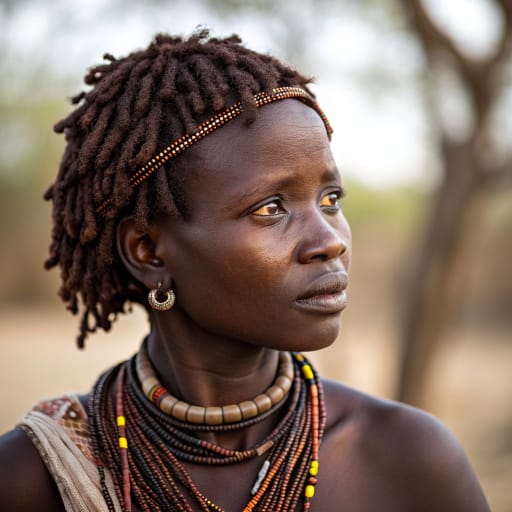
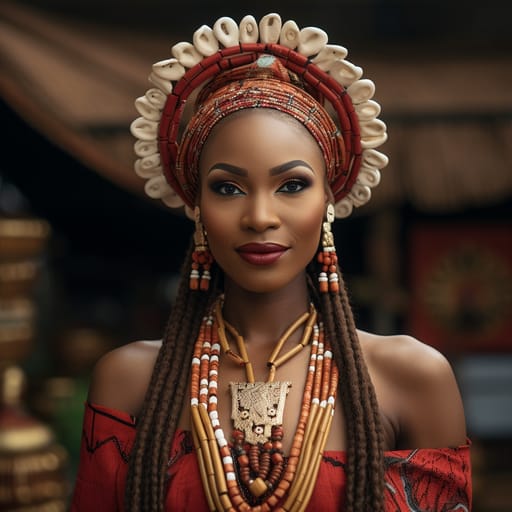
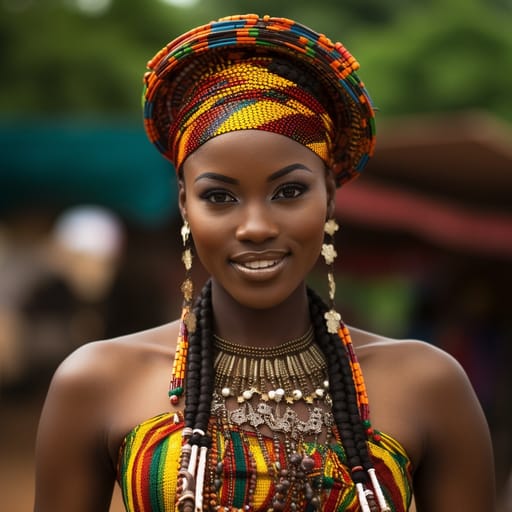
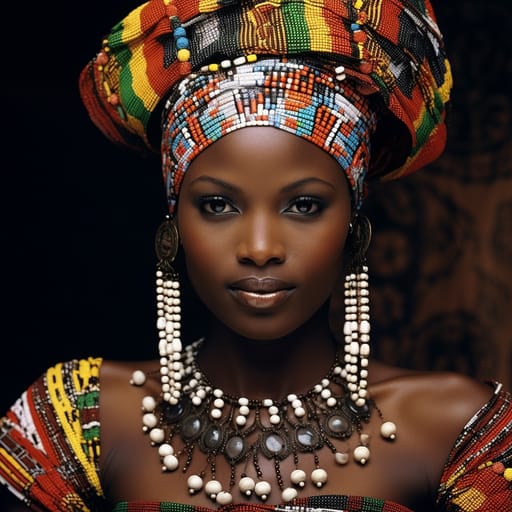
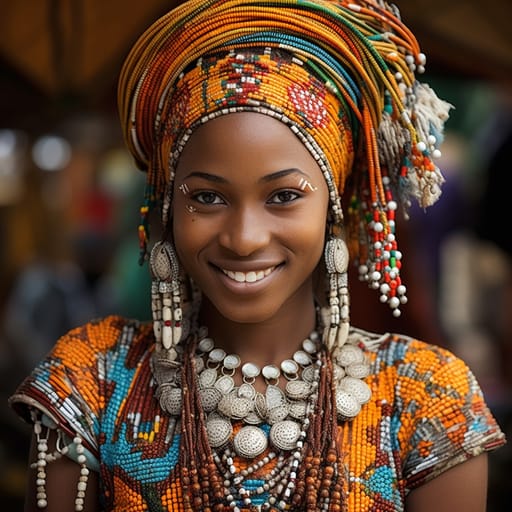
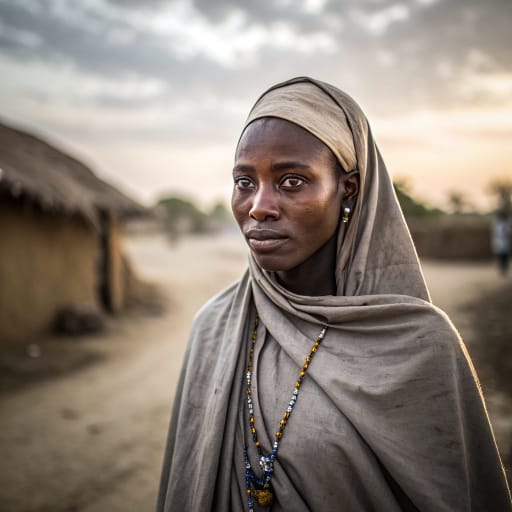
Typical Atlantic Creoles Phenotypes
Reference for AI generation: hair, eyes, skin, facial structure, build
Explore phenotype categories
Structured taxonomy with peer-reviewed scales · 22 anatomical categories
Erotic Poses & Sex Positions
From the pose catalog: 219 named positions with reference skeletons
Frequently asked questions about Atlantic Creoles people
Where is the Atlantic Creoles homeland?
The Atlantic Creoles homeland is Trading enclaves of the West and Central African coast (Cape Verde, Senegambia, Elmina in Ghana, São Tomé, Luanda in Angola), later Atlantic colonies including Virginia, New Netherland, Spanish Florida and the Caribbean. in Western Africa.
What language do Atlantic Creoles people speak?
Atlantic Creoles people primarily speak Portuguese-based trade pidgins and creoles, alongside Wolof, Akan, Kikongo and Kimbundu (Niger-Congo) and European languages such as Portuguese, Spanish, Dutch and English (Indo-European)..
What religion do Atlantic Creoles people practice?
The predominant religion among Atlantic Creoles people is Largely Catholic Christianity, often combined with West and Central African religious practice; Dutch Reformed and Anglican affiliation in the northern American colonies..






Make your own Atlantic Creoles images
Five a day, free, no credits to buy. The studio starts from this group's phenotype data, so you can set body type, pose and style and keep the traits accurate.
Start with Atlantic Creoles