No portrait yet
Malila Erotic
The Umalila highlands southwest of Mbeya city, Mbeya Region, southwestern Tanzania
Malila (Bantu, Niger-Congo), closely related to Safwa; Swahili (Bantu, Niger-Congo) widely used as a second language
Mostly Christian, with some older beliefs about ancestors still held
One of the Bantu peoples of Tanzania's Southern Highlands; closest kin to the Safwa, with the Nyiha and Nyakyusa as neighbors
About Malila People
The Malila are a people defined first by a place. Their homeland, Umalila, is the high, cool country southwest of the city of Mbeya in Tanzania's Southern Highlands. The people, the land and the language all share one root under different prefixes: in Swahili the people are Wamalila, their language is Kimalila, and they come from Umalila. That overlap is more than grammar. Being Malila is closely tied to belonging to a particular stretch of ridges and valleys, and to the families who have farmed them for generations.
Malila is a Bantu language, and its neighbors are close relatives. The nearest is Safwa, spoken around Mbeya itself. The wider area also holds related languages such as Nyiha to the west and Nyakyusa toward Lake Nyasa. Swahili, the national language, carries schooling, government, radio and most business in town, and most Malila adults use it easily. Malila itself holds on in households and villages, but little of it is in print. Swahili keeps pulling at younger speakers, a familiar story across rural Tanzania.
Most Malila are farmers, and the altitude shapes what they grow: maize and beans, potatoes, and arabica coffee on small family plots, some of it sold to overseas buyers under the Umalila name. The villages are not cut off. Mbeya is one of the larger cities in the south of the country. It sits on the highway and railway that run to Zambia, its markets buy up highland produce, and it draws young people looking for paid work. Christianity is the majority faith, rooted in the mission era of German and then British rule, and church membership is an ordinary part of village life. As elsewhere in the Southern Highlands, the church has not fully replaced older ideas about ancestors.
Outsiders have written little about the Malila. Scholars have paid far more attention to the Nyakyusa, whose age villages became a classic of African anthropology, or to the Hehe, whose war against German colonial forces is a national story. That silence says more about where researchers chose to go than about the Malila, who go on farming, marrying and burying their dead in their own language, on their own hills.
Related ethnic groups
Groups that share Malila's homeland, region, language, or religious tradition. These are likely candidates for comparative phenotype reference.
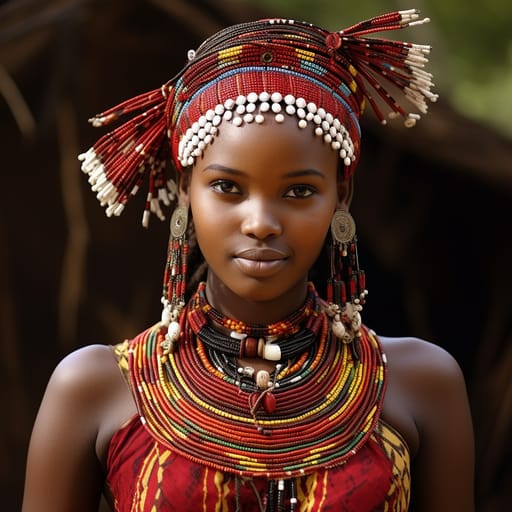
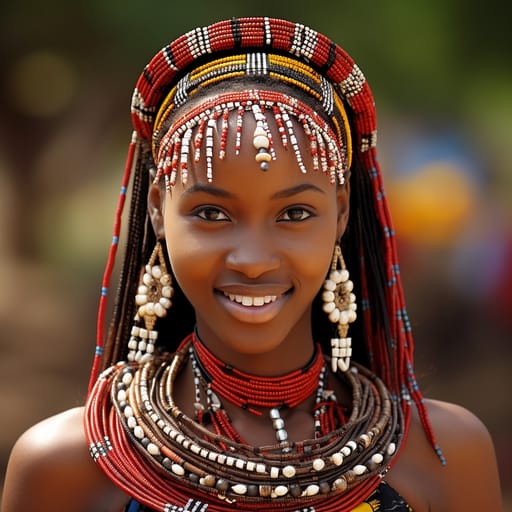
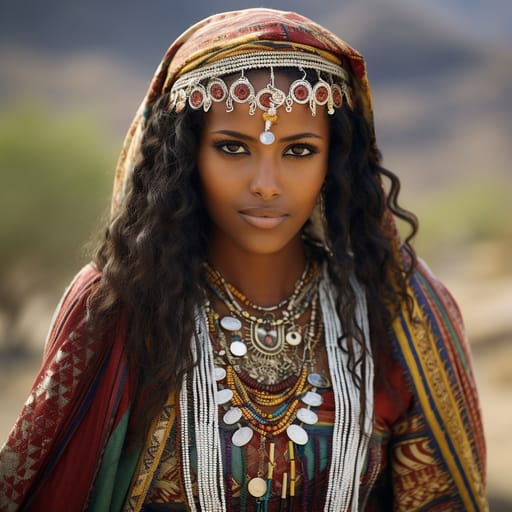
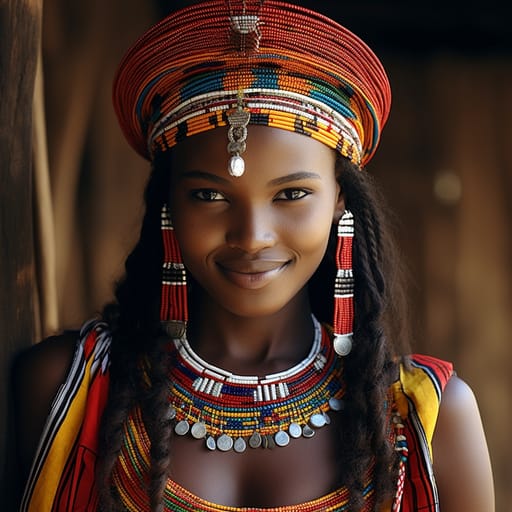
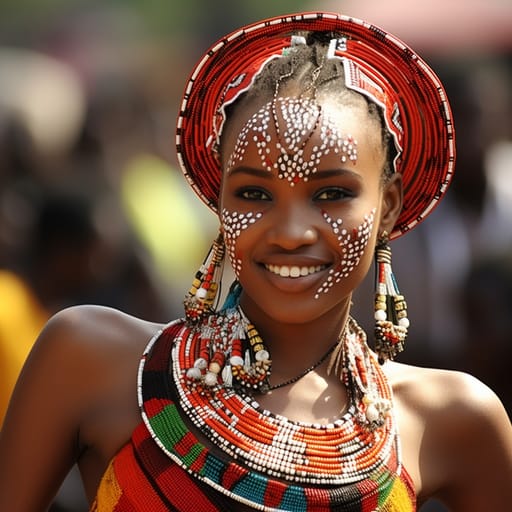
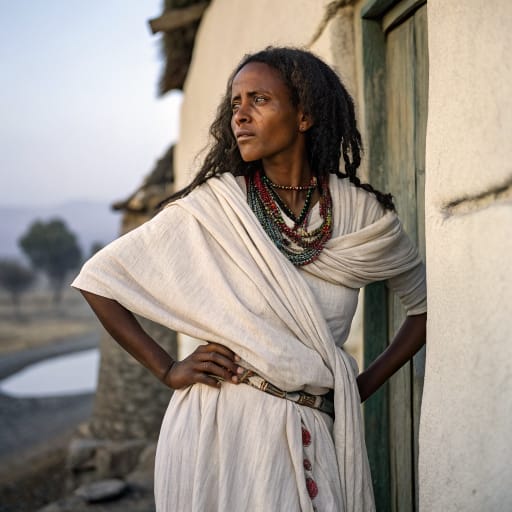
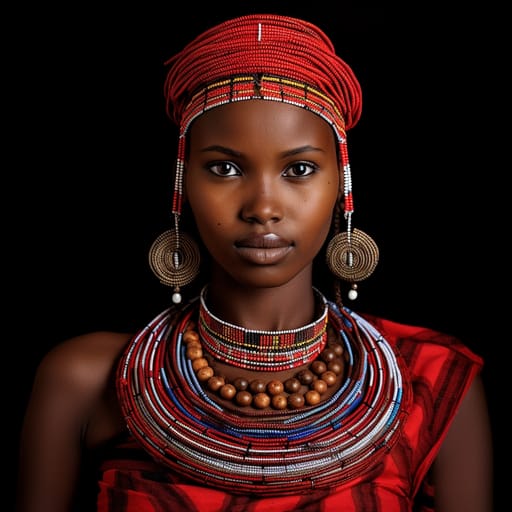
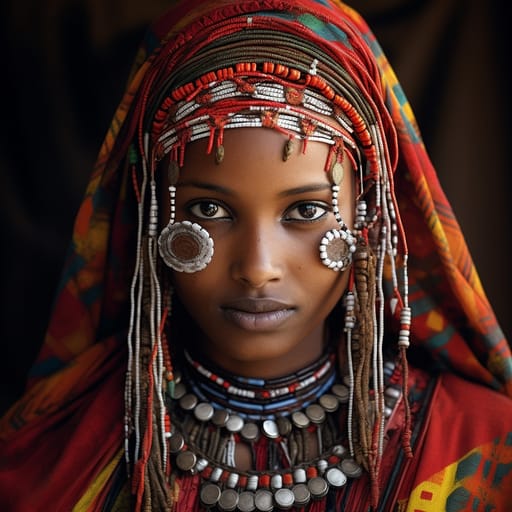
Typical Malila Phenotypes
Reference for AI generation: hair, eyes, skin, facial structure, build
Explore phenotype categories
Structured taxonomy with peer-reviewed scales · 22 anatomical categories
Erotic Poses & Sex Positions
From the pose catalog: 219 named positions with reference skeletons
Frequently asked questions about Malila people
Where is the Malila homeland?
The Malila homeland is The Umalila highlands southwest of Mbeya city, Mbeya Region, southwestern Tanzania in Eastern Africa.
What language do Malila people speak?
Malila people primarily speak Malila (Bantu, Niger-Congo), closely related to Safwa; Swahili (Bantu, Niger-Congo) widely used as a second language.
What religion do Malila people practice?
The predominant religion among Malila people is Mostly Christian, with some older beliefs about ancestors still held.






Make your own Malila images
Five a day, free, no credits to buy. The studio starts from this group's phenotype data, so you can set body type, pose and style and keep the traits accurate.
Start with Malila