Help us get this right
Does this portrait look right for Majeerteen?
Nobody has judged this one yet. You would be the first.
Majeerteen Erotic
Northeastern Somalia: the Bari, Nugaal and northern Mudug regions of Puntland, with long-standing communities in Yemen, the Gulf states, Britain, Scandinavia and North America.
Somali, northern Maxaa-tiri dialects (Cushitic, Afroasiatic); Arabic for religious and commercial use.
Sunni Islam, Shafi'i school, with Qadiriyya and Salihiyya Sufi traditions and a newer reformist current.
A Harti clan within the wider Darod; principal branches Osman Mahamuud, Issa Mahamuud, Omar Mahamuud and Ali Saleebaan.
About Majeerteen People
The Majeerteen are a Somali clan, and in Somalia that word carries more weight than "ethnic group" usually does. Identity runs along an agreed genealogy: most Majeerteen can recite the line back through Harti to Darod, and that line has traditionally decided which families pay blood compensation together, who marries whom, and who turns up when something goes wrong. What separates them from their Darod cousins is mostly where they settled, on the blunt northeastern corner of the Horn where the Gulf of Aden bends into the Indian Ocean. It is dry, stony, upland country: the Karkaar mountains running close behind a narrow coast, the Nugaal valley opening south, and very little land worth planting. Camels and the sea have carried the economy for centuries. The towns that matter, Bosaso, Garowe, Qardho, Eyl, Caluula, sit on the ports or on the roads between them.
That coast made them unusual among Somalis. Majeerteen families fished, sailed and traded with Aden, Mukalla and the Gulf at a time when many Somali pastoralists thought little of the sea as a living, and the Bari highlands yield frankincense and myrrh, tapped from stands of boswellia that are owned and inherited like any other property. It was also a wrecking coast: the nineteenth-century treaties Europeans signed with the Majeerteen sultans were largely about the fate of shipwrecked crews. The Majeerteen Sultanate, ruled by a Boqor from Caluula and the northern ports, was among the last polities in the region to fall, and it took an Italian campaign in the mid-1920s to break it and send Boqor Osman Mahamuud into exile. Independence put Majeerteen men near the center of the new Somali state: Abdirashid Ali Sharmarke was president when he was shot in 1969, and the coup that followed brought Siad Barre to power. A failed coup against Barre in 1978, led mostly by Majeerteen officers, was answered with reprisals in Mudug that older people there still count in wrecked reservoirs and dead herds, and it produced the SSDF, the first armed front against the regime. When the state collapsed in 1991 the northeast held together, and in 1998 elders meeting at Garowe declared Puntland, an autonomous administration built openly on Majeerteen consensus and, unlike Somaliland, on no claim to be a separate country. Religion is Sunni Islam of the Shafi'i school, carried as ordinary habit rather than as a program, with the old Sufi orders still visible in the standing of local sheikhs and the care given to their tombs.
Related ethnic groups
Groups that share Majeerteen's homeland, region, language, or religious tradition. These are likely candidates for comparative phenotype reference.
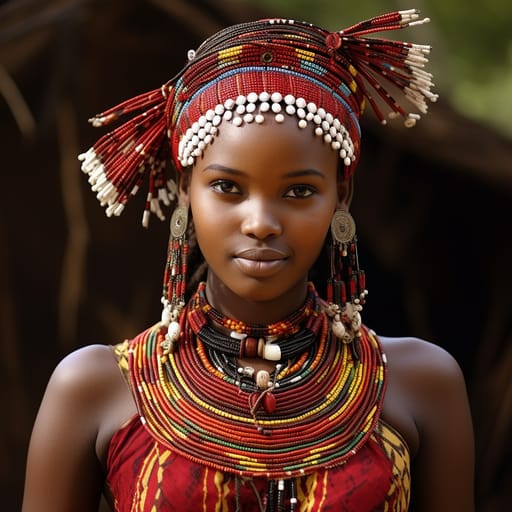
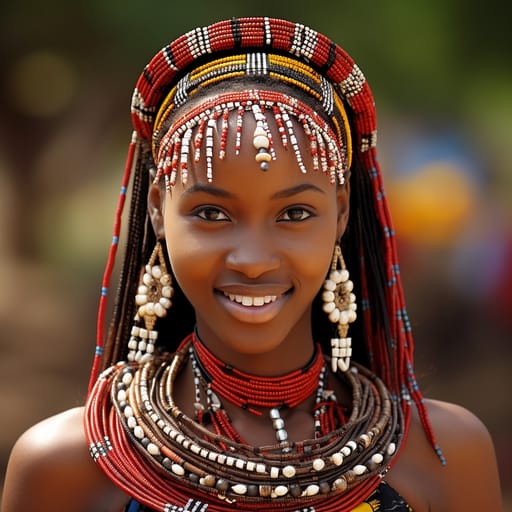
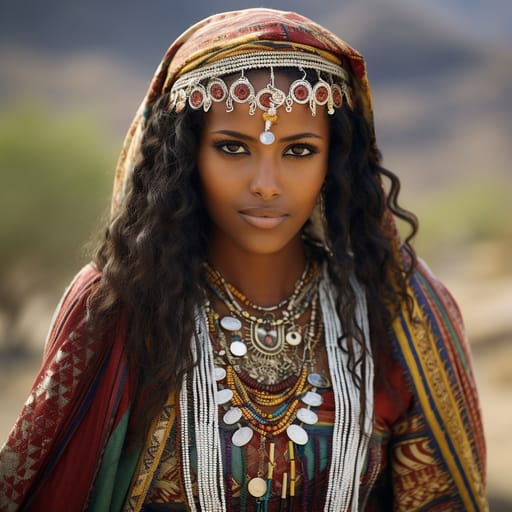
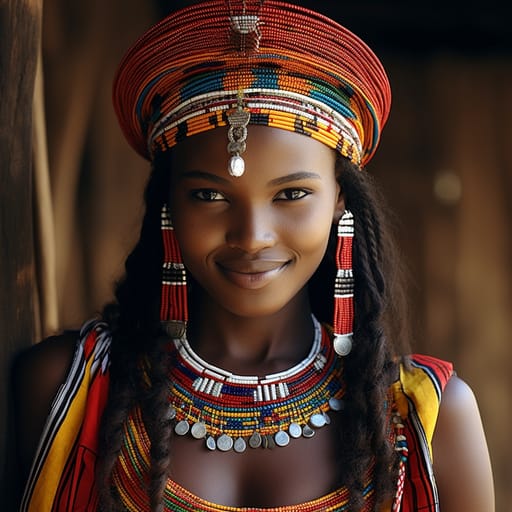
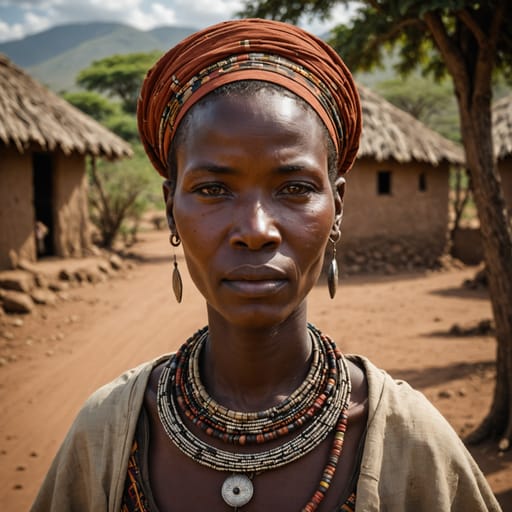
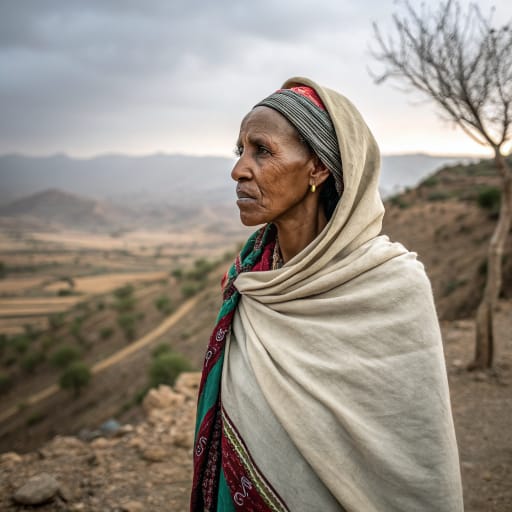
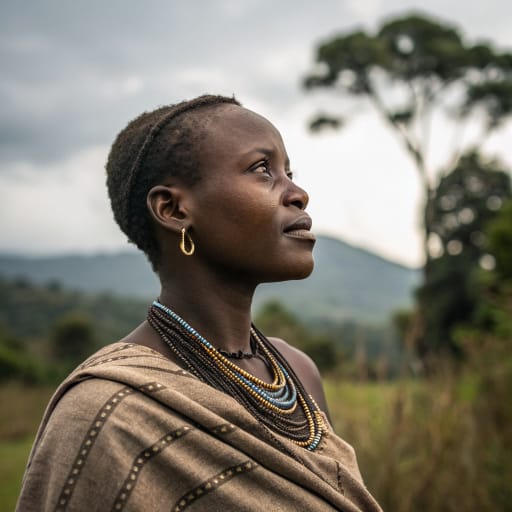
Typical Majeerteen Phenotypes
Reference for AI generation: hair, eyes, skin, facial structure, build
Explore phenotype categories
Structured taxonomy with peer-reviewed scales · 22 anatomical categories
Erotic Poses & Sex Positions
From the pose catalog: 219 named positions with reference skeletons
Frequently asked questions about Majeerteen people
Where is the Majeerteen homeland?
The Majeerteen homeland is Northeastern Somalia: the Bari, Nugaal and northern Mudug regions of Puntland, with long-standing communities in Yemen, the Gulf states, Britain, Scandinavia and North America. in Eastern Africa.
What language do Majeerteen people speak?
Majeerteen people primarily speak Somali, northern Maxaa-tiri dialects (Cushitic, Afroasiatic); Arabic for religious and commercial use..
What religion do Majeerteen people practice?
The predominant religion among Majeerteen people is Sunni Islam, Shafi'i school, with Qadiriyya and Salihiyya Sufi traditions and a newer reformist current..






Make your own Majeerteen images
Five a day, free, no credits to buy. The studio starts from this group's phenotype data, so you can set body type, pose and style and keep the traits accurate.
Start with Majeerteen