Help us get this right
Does this portrait look right for Kinga?
Nobody has judged this one yet. You would be the first.
Kinga Erotic
The Livingstone Mountains and the Makete highlands above Lake Nyasa, Njombe Region, southwestern Tanzania.
Kinga, also called Kikinga or Ekikinga (Bantu, Niger-Congo), with Swahili as the national language.
Predominantly Christian, largely Lutheran, alongside surviving ancestral observance.
Bantu-speaking, in the Southern Highlands cluster with Pangwa, Wanji, Kisi, Bena and Hehe.
About Kinga People
The Kinga live on top of a wall. The Livingstone Mountains rise abruptly from the northeastern shore of Lake Nyasa, and Kinga country sits on the cold plateau behind that escarpment, most of it inside Makete District in Tanzania's Njombe Region. Much of it lies above 2,000 meters: wet, often fogged in, and cold enough on the higher ground to take frost, which makes it one of the chilliest inhabited corners of the country. People farm maize, wheat, beans and potatoes here, and the slopes are increasingly given over to pine and eucalyptus. Identity is partly a matter of elevation. The Kinga are the highlanders, set against the fishing villages on the lakeshore far below. Their older reputation rested on iron. Kinga smelters and smiths turned out hoes and blades that moved down the escarpment to the Kisi, who were potters, and on to the Nyakyusa on the plains, in an exchange of iron for pots for fish and grain that is one of the better documented specialized trade systems in the Lake Nyasa basin.
Their language, Kinga, is Bantu, and it sits in a tight highland cluster with Pangwa, Wanji, Kisi, Bena and Hehe, close enough that neighbors can pick up a fair amount of each other's speech. Swahili does the public work of schooling, church and government, while Kinga holds the household and the field. Politically the Kinga never consolidated into a kingdom. They lived in many small chiefdoms held together by lineage and ritual office, a structure that made them awkward to conquer and easy to raid. The nineteenth century brought Ngoni war bands from the south and Hehe expansion from the north, and the mountains earned their keep as refuge. German rule arrived at the end of that century, and with it Berlin Mission Lutherans, whose churches are still the dominant religious institution in Ukinga. Christianity here is not a thin coat of paint, but neither did it erase what preceded it: ancestors are acknowledged, and ritual authority over land and rain has not entirely lost its weight. The sharper modern pressures are economic. Young people leave for Njombe town, Mbeya and Dar es Salaam and send money back, and Njombe Region carries the highest HIV prevalence in Tanzania, a burden Makete felt early and hard.
Related ethnic groups
Groups that share Kinga's homeland, region, language, or religious tradition. These are likely candidates for comparative phenotype reference.
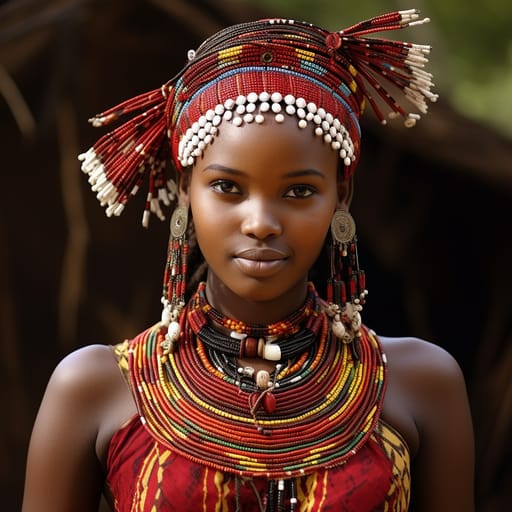
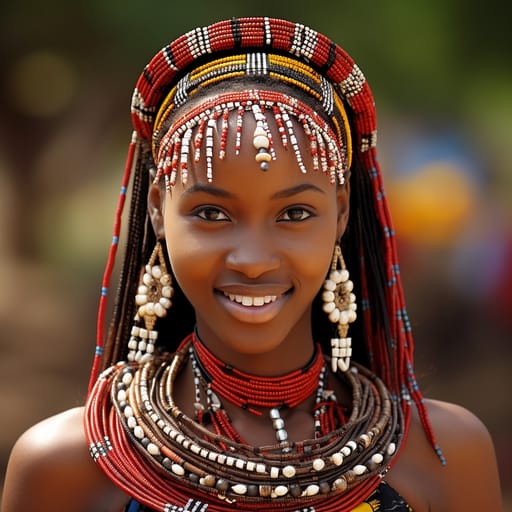
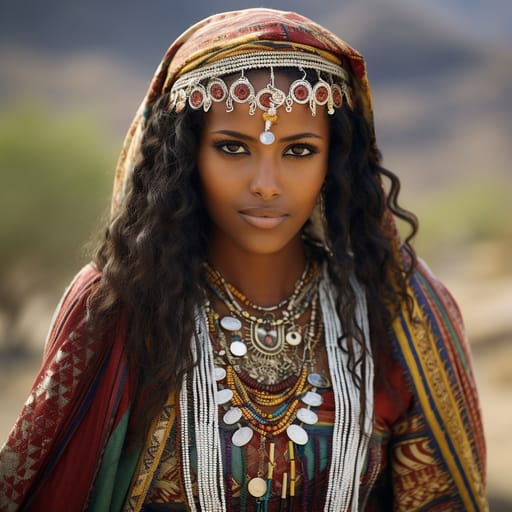
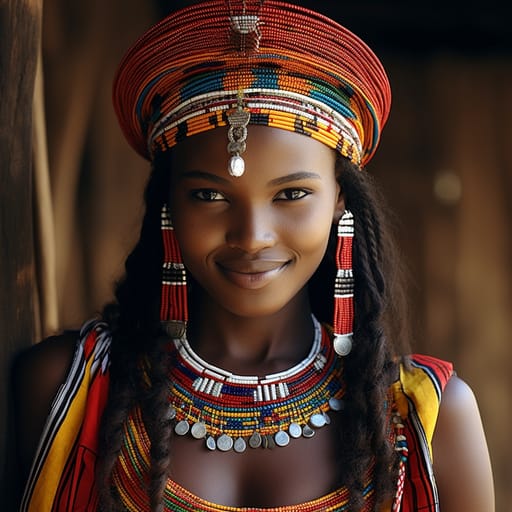
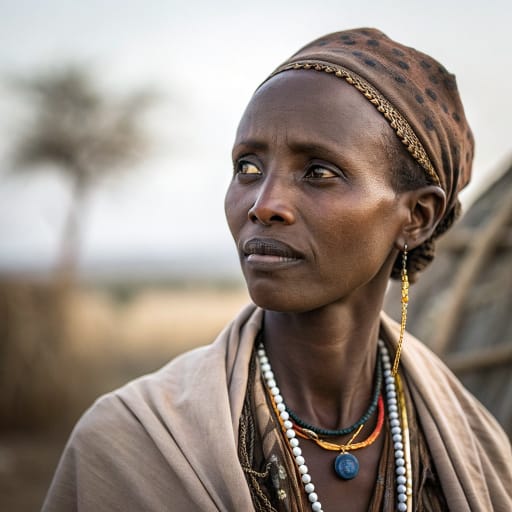
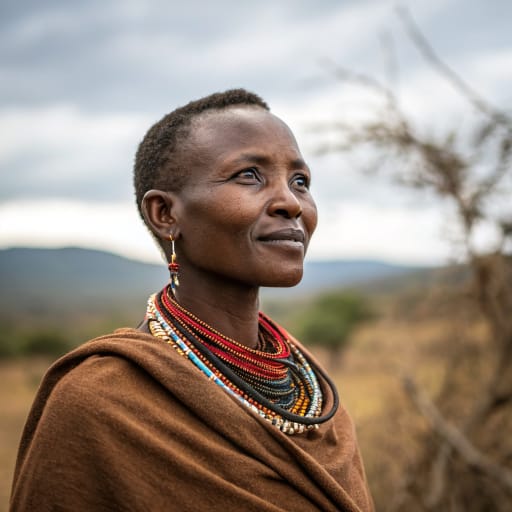
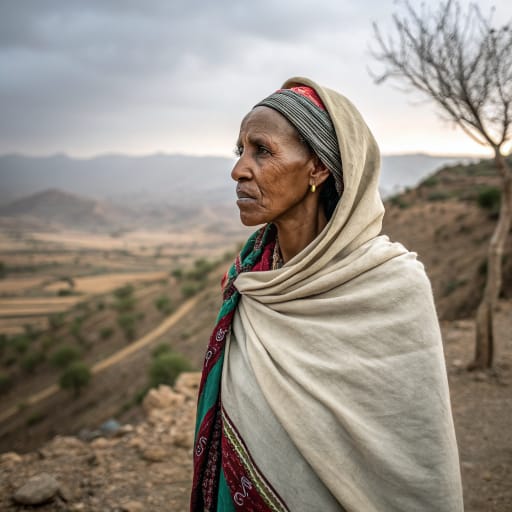
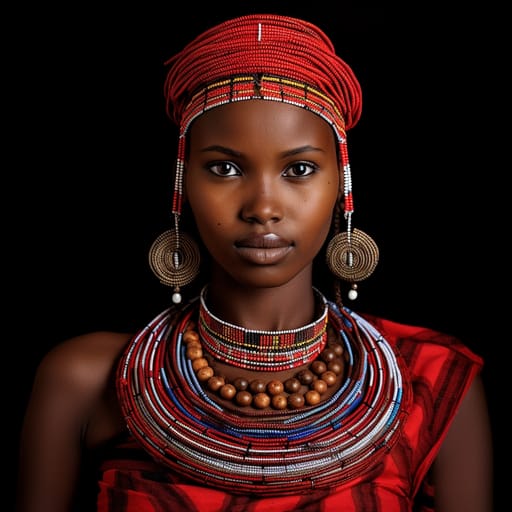
Typical Kinga Phenotypes
Reference for AI generation: hair, eyes, skin, facial structure, build
Explore phenotype categories
Structured taxonomy with peer-reviewed scales · 22 anatomical categories
Erotic Poses & Sex Positions
From the pose catalog: 219 named positions with reference skeletons
Frequently asked questions about Kinga people
Where is the Kinga homeland?
The Kinga homeland is The Livingstone Mountains and the Makete highlands above Lake Nyasa, Njombe Region, southwestern Tanzania. in Eastern Africa.
What language do Kinga people speak?
Kinga people primarily speak Kinga, also called Kikinga or Ekikinga (Bantu, Niger-Congo), with Swahili as the national language..
What religion do Kinga people practice?
The predominant religion among Kinga people is Predominantly Christian, largely Lutheran, alongside surviving ancestral observance..






Make your own Kinga images
Five a day, free, no credits to buy. The studio starts from this group's phenotype data, so you can set body type, pose and style and keep the traits accurate.
Start with Kinga