Help us get this right
Does this portrait look right for Chopi?
Nobody has judged this one yet. You would be the first.
Chopi Erotic
Southern Mozambique, mainly the Zavala and Inharrime districts of Inhambane Province, with many now also living in Maputo and other cities
Chopi, or Cicopi (Bantu, Niger-Congo), closely related to Gitonga; Portuguese as a second language
Christianity, mainly Catholic and Protestant, alongside veneration of ancestral spirits
Southeastern Bantu; with the Tonga (Bitonga) of Inhambane, forms the Chopi group (Guthrie S.60)
About Chopi People
What sets the Chopi apart, for most outsiders and for many Mozambicans too, is a sound: the timbila, large wooden xylophones played in orchestras that can reach dozens of instruments. The Chopi are a Bantu-speaking people of Mozambique's southern coast. Their center is the Zavala and Inharrime districts of Inhambane Province, a country of sandy soils, cashew and coconut trees, and lagoons tucked behind the ocean dunes. Farming has long anchored rural life, with cassava, maize and groundnuts planted against unreliable rains. Their language, Chopi or Cicopi, belongs to a small branch of Bantu shared with Gitonga, which the neighboring Tonga speak around Inhambane town. Inland and to the south, Tswa-Ronga languages such as Changana and Tswa take over, and Portuguese is the language of school and government. Christianity, mostly Catholic and Protestant, is widespread, but it has not pushed out the ancestors. Family spirits are still remembered and addressed, and people in trouble may consult a pastor and a diviner alike.
In the nineteenth century the Chopi faced the Gaza kingdom, a Nguni state that raided across southern Mozambique and demanded submission. Chopi chiefs resisted for decades. When Portugal moved against the Gaza king Ngungunhane in the 1890s, many Chopi fought on the Portuguese side, trading one overlord for another. Colonial rule brought forced labor and a steady flow of men to the gold mines of South Africa, where Chopi musicians kept orchestras going in the mine compounds. Independence in 1975 was followed by a civil war that killed people and scattered them across Zavala, and later droughts pushed more families toward Maputo and other cities. Through all of it the music held. Each mbila has keys cut from mwenje wood, set over hard fruit-shell resonators fitted with buzzing membranes. An orchestra runs from small treble instruments down to the deep chikhulu. The full performance, the ngodo, is a suite of movements with dancers and sung verses newly composed by a village master. The lyrics are what outsiders tend to miss. They carry news, grief and pointed mockery of local officials, colonial administrators included, sung in public with the whole village listening. UNESCO proclaimed timbila a masterpiece of intangible heritage in 2005, and the M'Saho festival in Zavala keeps new ngodo coming.
Related ethnic groups
Groups that share Chopi's homeland, region, language, or religious tradition. These are likely candidates for comparative phenotype reference.
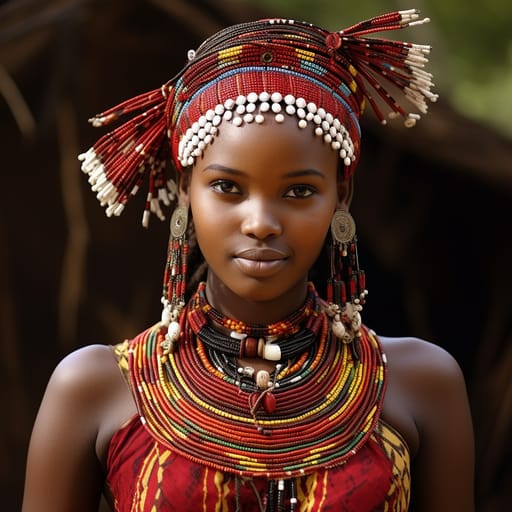
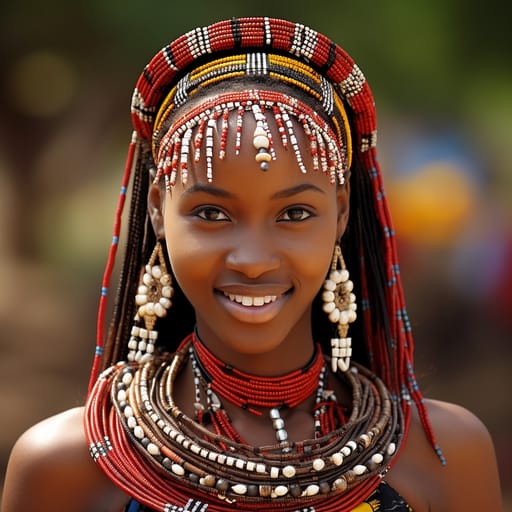
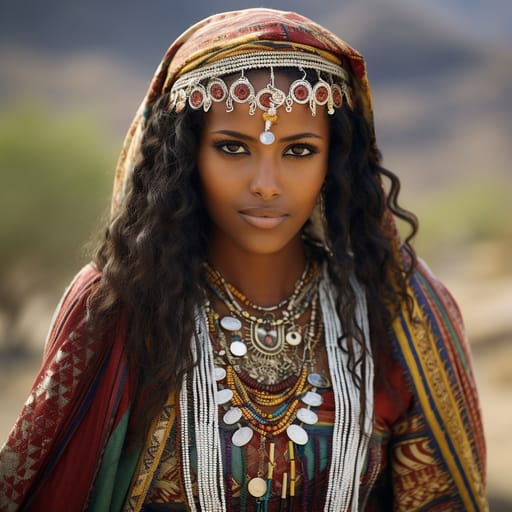
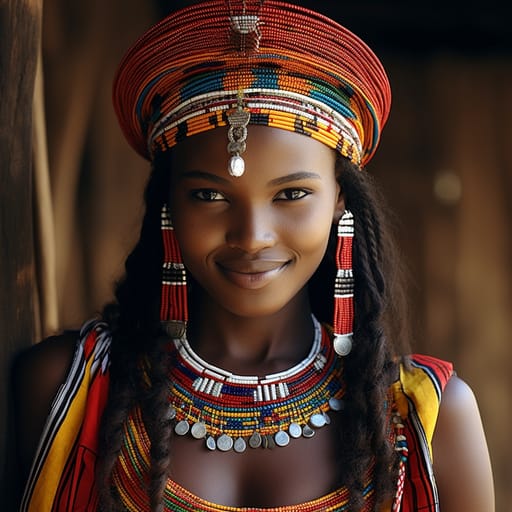
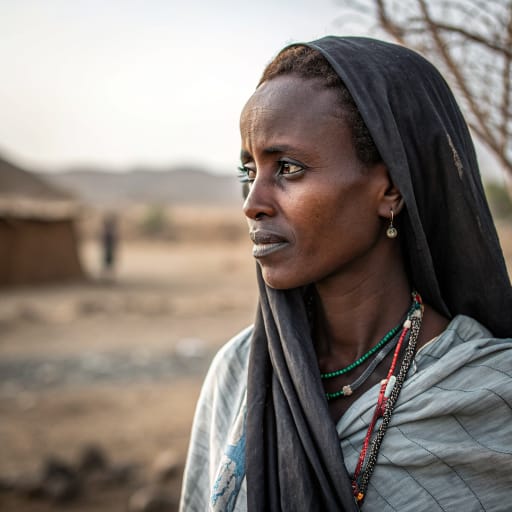
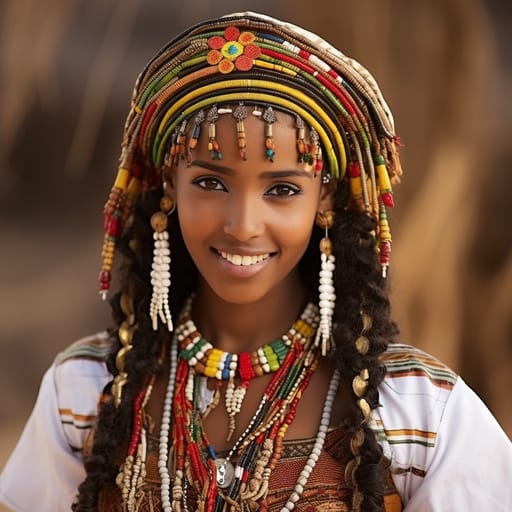
Typical Chopi Phenotypes
Reference for AI generation: hair, eyes, skin, facial structure, build
Explore phenotype categories
Structured taxonomy with peer-reviewed scales · 22 anatomical categories
Erotic Poses & Sex Positions
From the pose catalog: 219 named positions with reference skeletons
Frequently asked questions about Chopi people
Where is the Chopi homeland?
The Chopi homeland is Southern Mozambique, mainly the Zavala and Inharrime districts of Inhambane Province, with many now also living in Maputo and other cities in Eastern Africa.
What language do Chopi people speak?
Chopi people primarily speak Chopi, or Cicopi (Bantu, Niger-Congo), closely related to Gitonga; Portuguese as a second language.
What religion do Chopi people practice?
The predominant religion among Chopi people is Christianity, mainly Catholic and Protestant, alongside veneration of ancestral spirits.






Make your own Chopi images
Five a day, free, no credits to buy. The studio starts from this group's phenotype data, so you can set body type, pose and style and keep the traits accurate.
Start with Chopi