Help us get this right
Does this portrait look right for Anuta?
One tap. It takes a second and it is recorded.
0 say it looks right, 1 says it looks off.
Anuta Erotic
Anuta Island, Temotu Province, Solomon Islands
Anuta (Austronesian, Polynesian outlier)
Part of the Austronesian language family · Polynesian peoples
Christian (Anglican, Church of Melanesia); traditional Polynesian beliefs historically
About Anuta People
The Anuta are a Polynesian people living on Anuta, a tiny island in the eastern Solomon Islands and one of the most remote permanently inhabited places in the Pacific. A Polynesian outlier within Melanesia, the community numbers only a few hundred people who speak Anuta, an Austronesian language closely related to Tikopia. Anthropologist Richard Feinberg has documented their culture since the 1970s.
Society and subsistence
Anuta is exceptionally small yet densely settled, and survival depends on meticulous cultivation and fishing. Islanders grow taro, yams, bananas, coconut, and other crops in carefully tended gardens and fish the surrounding reef and ocean by canoe. Social life is knit together by kinship and by the ethic the Anutans call aropa, a value of compassion, sharing, and mutual aid that obliges relatives and neighbors to support one another. Two chiefs traditionally lead the community. Extensive sharing of food and labor, along with enduring ties to nearby Tikopia, help the small population weather isolation, periodic cyclones, and lean seasons, and reinforce a strong sense of common identity. Anuta lies well over a hundred kilometres from its nearest neighbour, and voyaging canoes historically linked it with Tikopia across the open ocean, sustaining trade, marriage, and mutual aid between the two islands.
Appearance and adornment
Like their Tikopia neighbors, the Anutans present a Polynesian appearance: brown skin, robust and stocky builds, and dark wavy to straight hair. Traditional attire was barkcloth waist garments, with the upper body bare and the skin oiled and scented with turmeric and coconut oil. Garlands of flowers and leaves, shell and bead necklaces, and tattooing served as adornment for dance and ceremony, and singing and drumming accompanied festive gatherings. Today islanders generally wear modern cloth clothing, keeping barkcloth, garlands, and body ornament for festive and customary events that mark the rhythm of island life.
Related ethnic groups
Groups that share Anuta's homeland, region, language, or religious tradition. These are likely candidates for comparative phenotype reference.
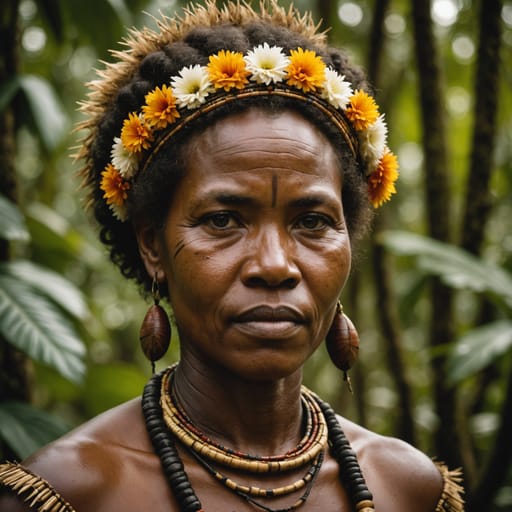
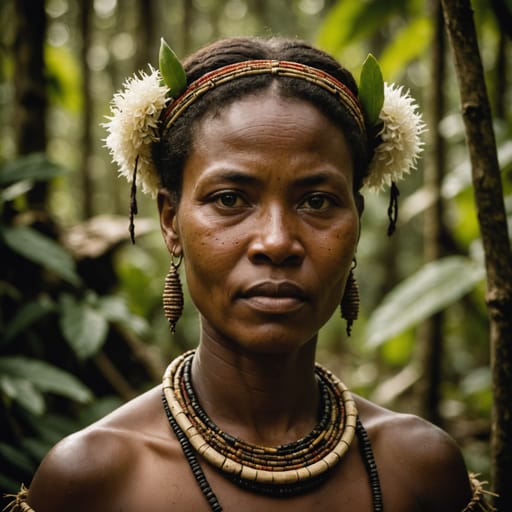
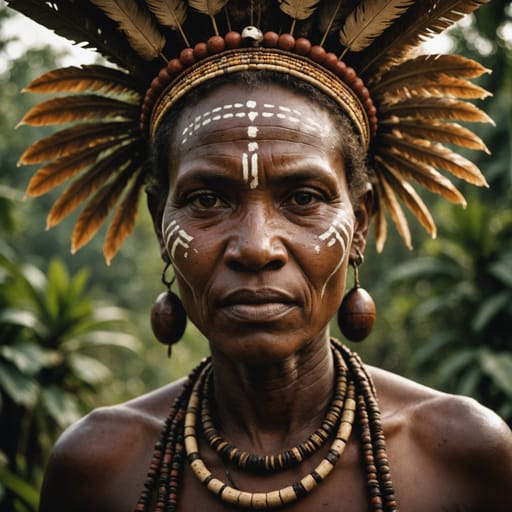
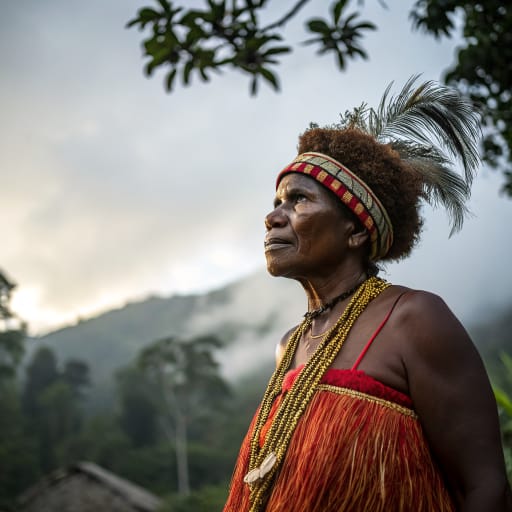
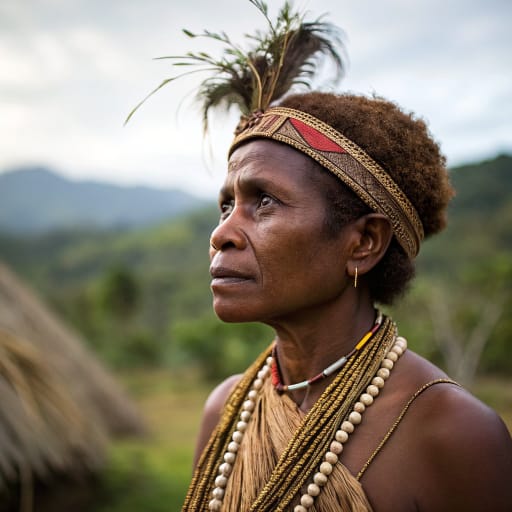
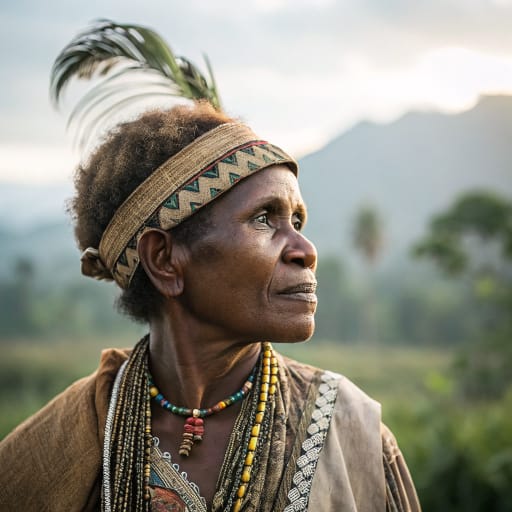
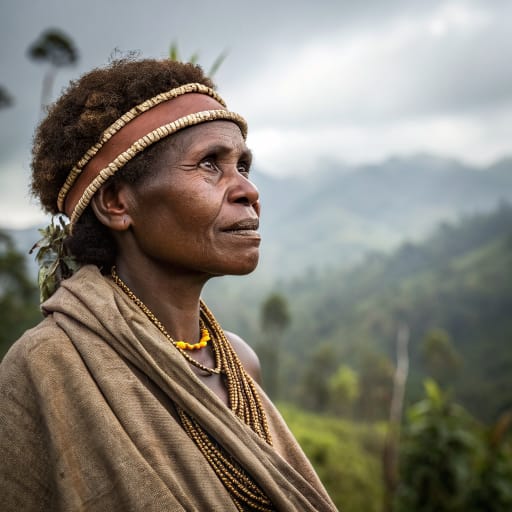
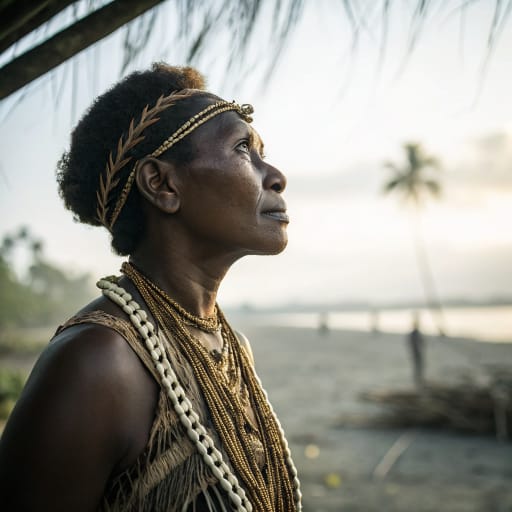
Typical Anuta Phenotypes
Reference for AI generation: hair, eyes, skin, facial structure, build
Explore phenotype categories
Structured taxonomy with peer-reviewed scales · 22 anatomical categories
Erotic Poses & Sex Positions
From the pose catalog: 219 named positions with reference skeletons
Frequently asked questions about Anuta people
Where is the Anuta homeland?
The Anuta homeland is Anuta Island, Temotu Province, Solomon Islands in Melanesia.
What language do Anuta people speak?
Anuta people primarily speak Anuta (Austronesian, Polynesian outlier).
What religion do Anuta people practice?
The predominant religion among Anuta people is Christian (Anglican, Church of Melanesia); traditional Polynesian beliefs historically.






Make your own Anuta images
Five a day, free, no credits to buy. The studio starts from this group's phenotype data, so you can set body type, pose and style and keep the traits accurate.
Start with Anuta