Help us get this right
Does this portrait look right for Antemoro?
Nobody has judged this one yet. You would be the first.
Antemoro Erotic
Southeastern coast of Madagascar, centered on the lower Matitanana River around Vohipeno and Manakara (Fitovinany region)
Antemoro dialect of Malagasy (Austronesian, Malayo-Polynesian, Barito), historically also written in the Arabic-based sorabe script
Malagasy ancestral religion with Islamic-derived ritual, astrology and pork taboos; many are Christian
Malagasy; ranked clans including the noble Anteony and the Anakara, keepers of the sorabe; one of the southeastern peoples with Islamic origin traditions, alongside the Antambahoaka
About Antemoro People
The Antemoro are the Malagasy people who kept books. For centuries, along the lower Matitanana River on Madagascar's southeast coast, families of scribes wrote the Malagasy language in Arabic letters. Nobody else on the island did this, and it still shapes how other Malagasy think of them. The name means "people of the shore," and their homeland is still the coastal strip around Vohipeno and Manakara: humid, rainy country of rice paddies, coffee and river mouths.
Their founding story points across the sea. Antemoro family histories trace the leading clans to Muslim newcomers who arrived around the fifteenth century from the Arab and Swahili trading world and married into the local population. What those newcomers brought did not last as orthodox Islam. It lasted as a set of trades. There were the sorabe, or "great writings," manuscripts of family history, astrology, medicine and protective charms. There were the katibo, scribes trained to read them. And there were the ombiasy, diviners and healers known far beyond the coast. Antemoro experts served the Merina kings in the highlands, and the Merina court used sorabe until the Latin alphabet replaced it in the 1820s.
Antemoro society is ranked, and the ranks still matter in memory and ritual. Noble clans such as the Anteony held political power. The Anakara kept the manuscripts and much of the religious authority. Commoner families stood below both. Religion is Malagasy at its core: the ancestors have a say in family decisions, tombs are serious business, and fady, or taboos, decide what a household eats and does. Islamic traces survive inside that frame, in the respect given to the written word and in taboos that keep pork off many tables. Many Antemoro are also Christian and see no conflict between church and their duties to the ancestors.
They speak a southeastern dialect of Malagasy, an Austronesian language whose closest relatives are spoken in southern Borneo. Today the Antemoro name is best known from paper. Handmade bark sheets pressed with dried flowers are sold across Madagascar as "Antemoro paper" and made mostly in the highland town of Ambalavao. They descend from the paper once made for sorabe. It is a decorative afterlife for a tradition that gave a coastal farming people something rare on the island: power that rested on being able to read.
Related ethnic groups
Groups that share Antemoro's homeland, region, language, or religious tradition. These are likely candidates for comparative phenotype reference.
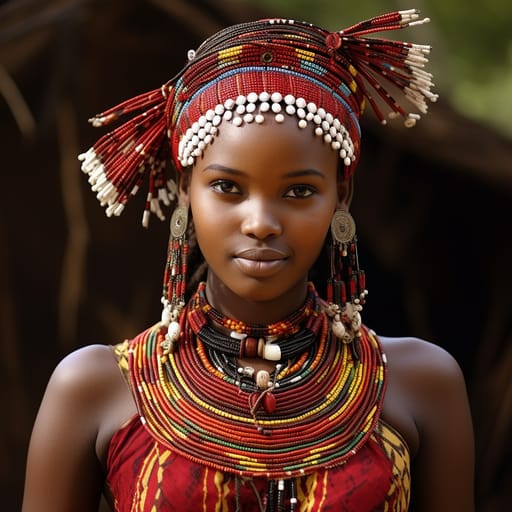
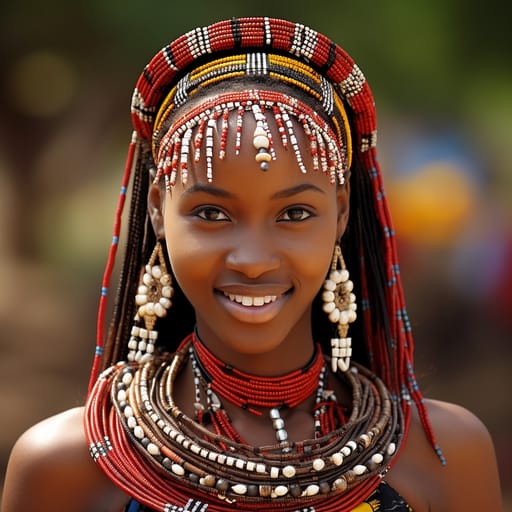
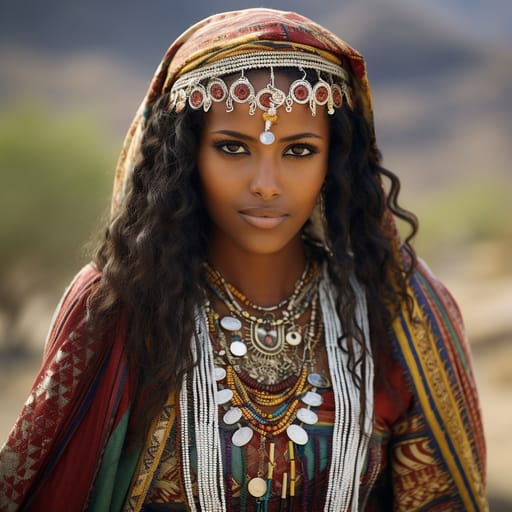
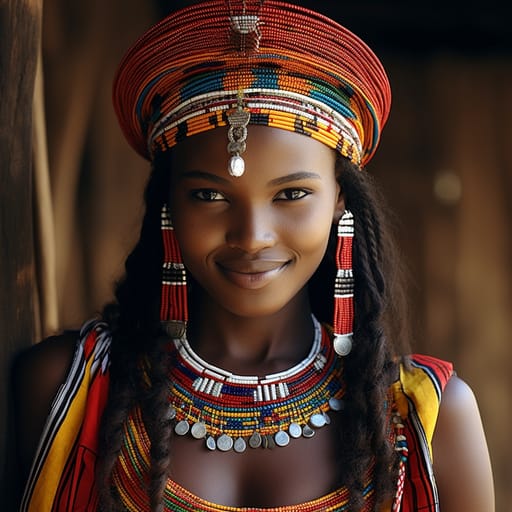
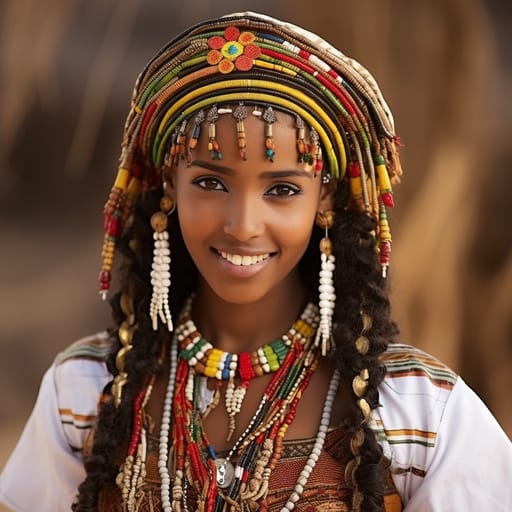
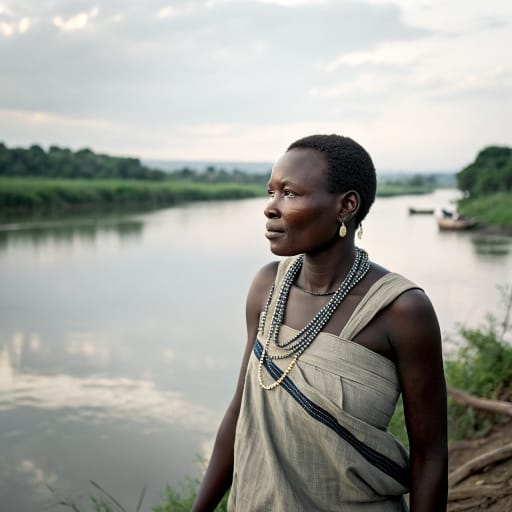
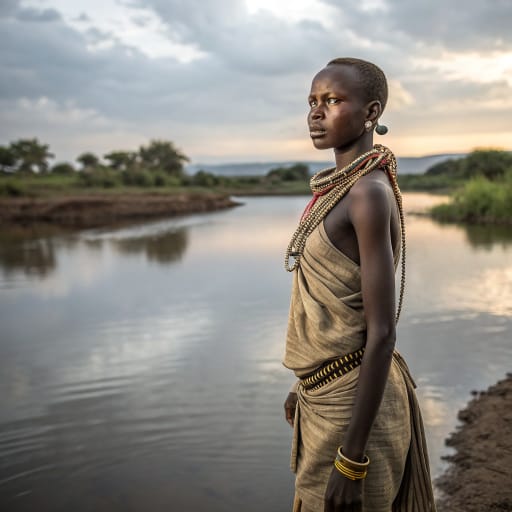
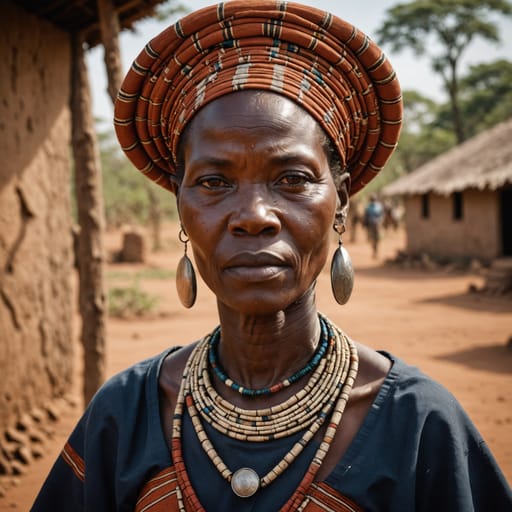
Typical Antemoro Phenotypes
Reference for AI generation: hair, eyes, skin, facial structure, build
Explore phenotype categories
Structured taxonomy with peer-reviewed scales · 22 anatomical categories
Erotic Poses & Sex Positions
From the pose catalog: 219 named positions with reference skeletons
Frequently asked questions about Antemoro people
Where is the Antemoro homeland?
The Antemoro homeland is Southeastern coast of Madagascar, centered on the lower Matitanana River around Vohipeno and Manakara (Fitovinany region) in Eastern Africa.
What language do Antemoro people speak?
Antemoro people primarily speak Antemoro dialect of Malagasy (Austronesian, Malayo-Polynesian, Barito), historically also written in the Arabic-based sorabe script.
What religion do Antemoro people practice?
The predominant religion among Antemoro people is Malagasy ancestral religion with Islamic-derived ritual, astrology and pork taboos; many are Christian.






Make your own Antemoro images
Five a day, free, no credits to buy. The studio starts from this group's phenotype data, so you can set body type, pose and style and keep the traits accurate.
Start with Antemoro