No portrait yet
Zappo Zap Erotic
Originally eastern Songye country in the Kasai basin; from the 1880s settled near Luluabourg (now Kananga), Democratic Republic of the Congo.
Songye, also called Kisongye (Bantu, Niger-Congo); Tshiluba as the regional language around Kananga.
Traditional Songye religion centered on ancestors and protective power figures; Christianity among their descendants.
A branch of the Songye; descendants known as the Nsapo or Bena Nsapo.
About Zappo Zap People
The Zappo Zap were a Songye warrior and trading band of the late nineteenth century in the Kasai region of what is now the Democratic Republic of the Congo, remembered chiefly as armed auxiliaries of King Leopold's Congo Free State; their descendants, the Nsapo, still live around Kananga. The name is a European mangling of Nsapu Nsapu, the chief who led them. They began in eastern Songye country as one of several armed groups dealing in ivory and slaves along trade routes that Swahili and Arab merchants had pushed in from the east coast. Pressed by rival warlords, they moved west in the 1880s, several thousand strong, and settled beside the new state post at Luluabourg, today's Kananga, under Free State protection.
That arrangement defined them. The Free State had few European officers and a large appetite for rubber, ivory and taxes, so it armed local allies and sent them out to collect. The Zappo Zap had guns, discipline and a fearsome reputation, including persistent accusations of cannibalism, and they worked as tax collectors, slave raiders and enforcers among the Luba, Lulua and Kuba. They were also farmers, traders and skilled ironworkers. Songye smiths are known for ceremonial axes with openwork blades studded with small forged faces, and collectors still call the type a Nsapo axe.
The 1899 massacre
In 1899 a Zappo Zap force sent to collect tribute in the Pyaang country of the Kuba burned villages and killed large numbers of people who could not pay. William Henry Sheppard, an African American missionary of the American Presbyterian Congo Mission, walked into their stockaded camp to investigate. The commander, taking him for a friend of the state, showed him around. Sheppard counted 81 severed right hands drying over a slow fire, kept as proof for state officers who wanted an accounting for the cartridges they issued. His report was published abroad and became one of the early eyewitness documents of the Congo reform campaign. Mark Twain drew on it in King Leopold's Soliloquy.
The Zappo Zap fit no simple story. They were Africans who profited from a European regime's violence, and they were also refugees who had traded one patron for another to survive in a region torn apart by the ivory and slave trades. After Belgium took over the colony in 1908 and rule through armed auxiliaries wound down, they faded as a military force. The community did not vanish. It settled into the ordinary life of Kasai as the Bena Nsapo, speaking Songye alongside the Tshiluba of their neighbors.
Related ethnic groups
Groups that share Zappo Zap's homeland, region, language, or religious tradition. These are likely candidates for comparative phenotype reference.
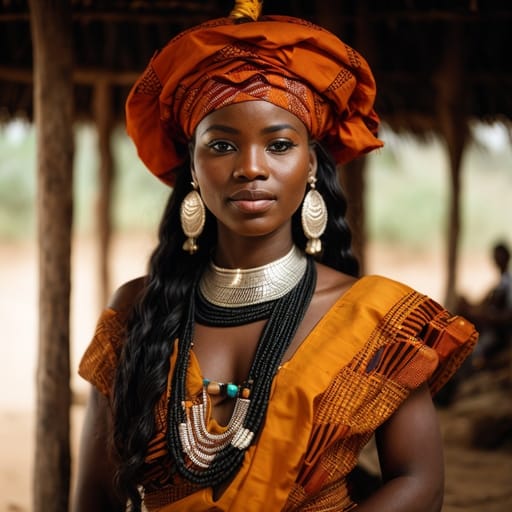
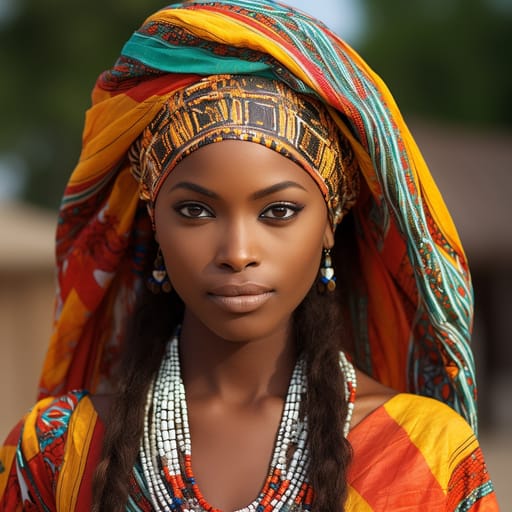
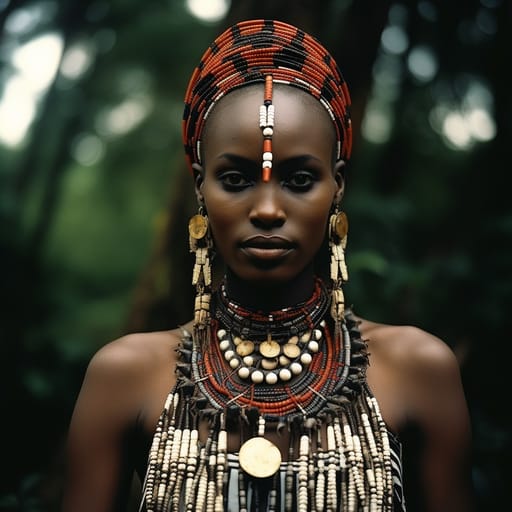
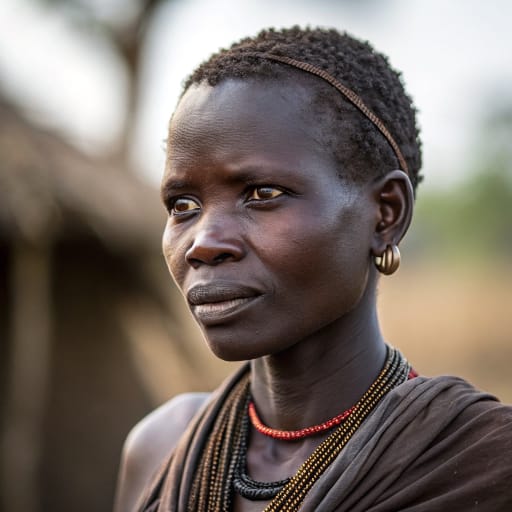
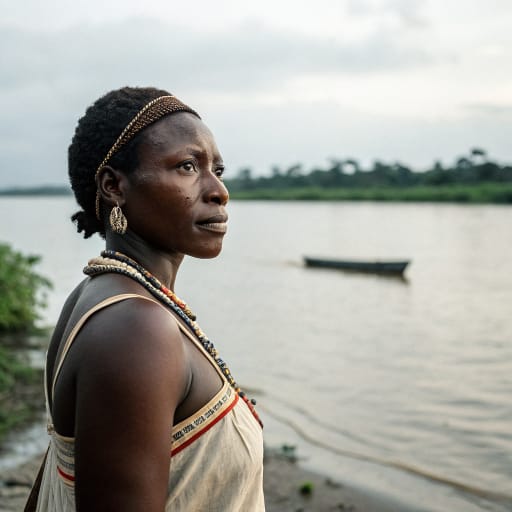
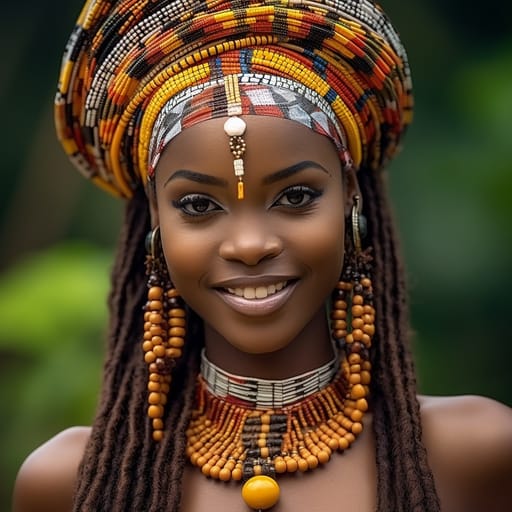
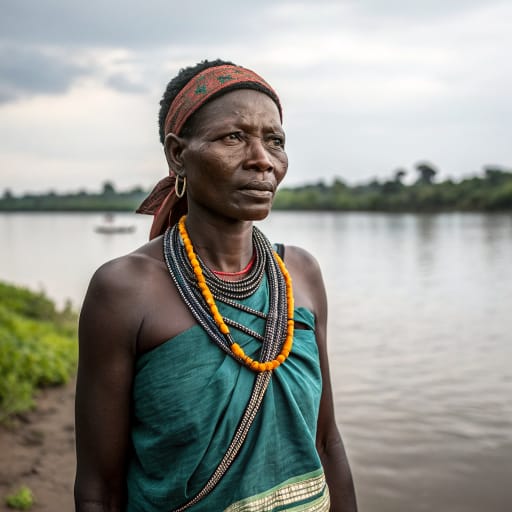
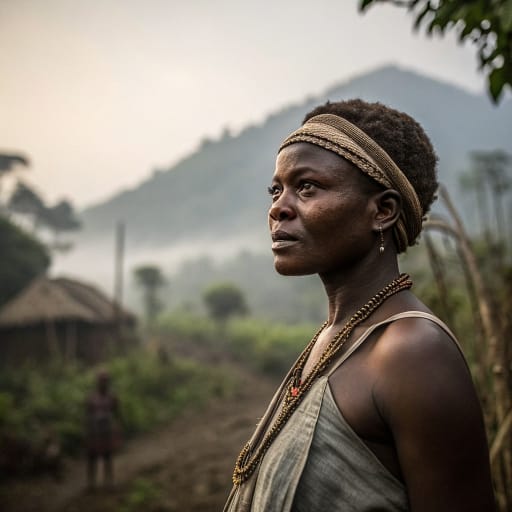
Typical Zappo Zap Phenotypes
Reference for AI generation: hair, eyes, skin, facial structure, build
Zappo Zap Body & Anatomy Reference
Anatomy by feature, Bantu / Central African Niger-Congo phenotype
Zappo Zap Boobs & Breasts
The typical Zappo Zap bust is medium-to-large cup, full, projecting, in line with the wider Bantu / Central African Niger-Congo pattern. Areolas usually fall in the 32-48mm range, with deep-brown areolar pigmentation against the deep-brown skin tone. Compared with the smaller East African conical profile, Zappo Zap breasts sit forward and are generally fuller projection than East African; comparable to West African norm. A faithful AI render of Zappo Zap tits keeps that shape and areola size.
Zappo Zap Ass & Hips
Butt shape among Zappo Zap women: full, projected, wide-set glutes, over broad iliac crests, gynoid pelvic pattern. This follows Bantu / Central African Niger-Congo ancestry and looks quite unlike the slim narrow-hip Cushitic East African profile. An accurate Zappo Zap ass in adult AI imagery keeps both the silhouette and the overall build (mesomorph with strong gluteal-femoral fat deposition) instead of a generic average.
Zappo Zap Vagina & Pussy
Vulvar anatomy among Zappo Zap women: deep-brown labial pigmentation, fuller labia minora. Pubic hair tends to be tightly-coiled coarse texture, dense distribution, in the usual inverted-triangle pattern. Both follow Bantu / Central African Niger-Congo pigmentation, which is why Zappo Zap pussy renders should not fall back on a pale, sparse Western template.
Zappo Zap Dicks & Penis
The Zappo Zap cock profile, from Bantu / Central African Niger-Congo anthropometric data: regional mean ~14cm erect; above-average girth; deep-brown shaft pigmentation. Pubic hair has a tightly-coiled coarse texture and forms the usual inverted-V pattern. Whether Zappo Zap men are circumcised follows religious and cultural practice rather than phenotype.
Zappo Zap Body, Curves & Build
Build and curves among Zappo Zap women follow the Bantu / Central African Niger-Congo pattern: mesomorph with strong gluteal-femoral fat deposition, mean adult female BMI 23-26. Proportions matter as much as skin tone, so Zappo Zap figures should keep their regional height and limb ratios.
Zappo Zap Skin Tone & Hair Texture
The Zappo Zap skin range is deep-brown (Fitzpatrick VI), and hair tends to be tight 4A-4C coil. That combination marks the Bantu / Central African Niger-Congo phenotype, and skin tone is the trait AI generators most often get wrong for Zappo Zap women.
Explore phenotype categories
Structured taxonomy with peer-reviewed scales · 22 anatomical categories
Erotic Poses & Sex Positions
From the pose catalog: 219 named positions with reference skeletons
Frequently asked questions about Zappo Zap people
Where is the Zappo Zap homeland?
The Zappo Zap homeland is Originally eastern Songye country in the Kasai basin; from the 1880s settled near Luluabourg (now Kananga), Democratic Republic of the Congo. in Central Africa.
What language do Zappo Zap people speak?
Zappo Zap people primarily speak Songye, also called Kisongye (Bantu, Niger-Congo); Tshiluba as the regional language around Kananga..
What religion do Zappo Zap people practice?
The predominant religion among Zappo Zap people is Traditional Songye religion centered on ancestors and protective power figures; Christianity among their descendants..






Make your own Zappo Zap images
Five a day, free, no credits to buy. The studio starts from this group's phenotype data, so you can set body type, pose and style and keep the traits accurate.
Start with Zappo Zap