Help us get this right
Does this portrait look right for Tikopia?
Nobody has judged this one yet. You would be the first.
Tikopia Erotic
Tikopia Island, Temotu Province, Solomon Islands
Tikopia (Austronesian, Polynesian outlier)
Part of the Austronesian language family · Polynesian peoples
Historically the traditional Tikopia religion; today Christian (Anglican, Church of Melanesia)
About Tikopia People
The Tikopia are a Polynesian people inhabiting the small volcanic island of Tikopia in the eastern Solomon Islands, a Polynesian outlier lying within Melanesia. They number roughly a thousand islanders, with a larger community settled elsewhere in the Solomons, and speak Tikopia, an Austronesian language of the Polynesian subgroup. Their society was made famous by Raymond Firth's ethnography We, the Tikopia, published in 1936.
Society and subsistence
Tikopia is a tiny high island, and its people developed intensive, carefully managed cultivation to sustain themselves within strict natural limits. Nearly the whole island is a managed orchard garden of yams, taro, breadfruit, coconut, and other tree crops, complemented by fishing on the reef and open sea. Society is organized into four patrilineal clans, each led by a hereditary chief (ariki) whose authority is bound up with land, ritual, and the wellbeing of the community. Firth documented the traditional religious cycle, the Work of the Gods, before the island's conversion to Christianity. The Tikopia are also known historically for deliberate regulation of population to match the resources of their small territory, an ethic of restraint woven into custom. Cyclones and drought periodically threaten the island, and the community has long relied on stored food and strict custom to weather hard years.
Appearance and adornment
The Tikopia show a broadly Polynesian appearance: light to medium brown skin, sturdy and well proportioned builds, and dark hair ranging from wavy to straight. Traditional dress was barkcloth (tapa) waist garments and skirts, with both men and women customarily bare above the waist. People decorated themselves with turmeric and coconut oil, wore flower garlands and necklaces of shell and beads, and practiced tattooing. Today Christian and modern cloth dress is usual for everyday life, with barkcloth, garlands, and body ornament reserved for custom occasions, dance, and the ceremonies that still mark island life.
Related ethnic groups
Groups that share Tikopia's homeland, region, language, or religious tradition. These are likely candidates for comparative phenotype reference.
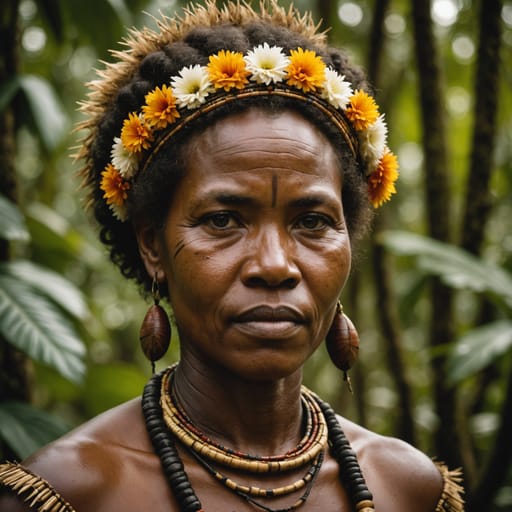
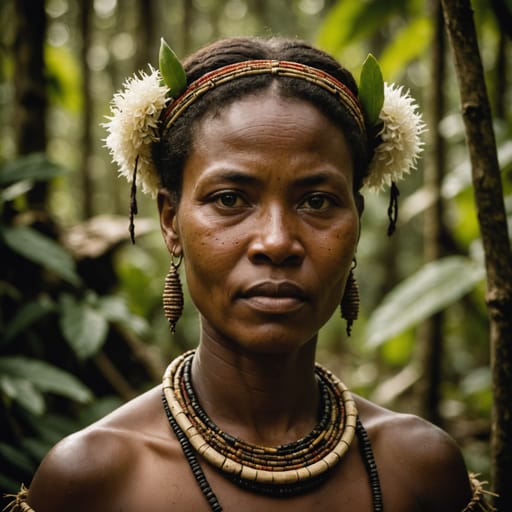
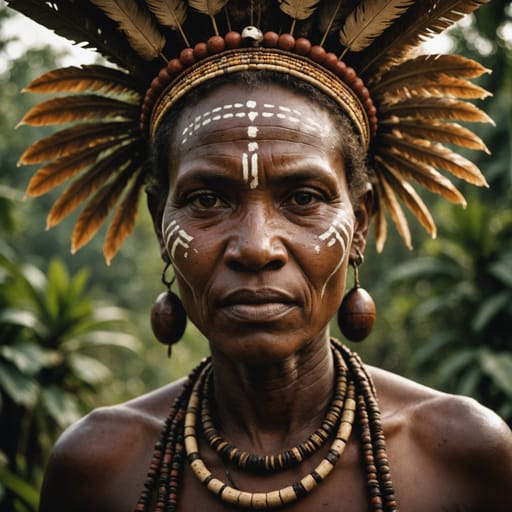
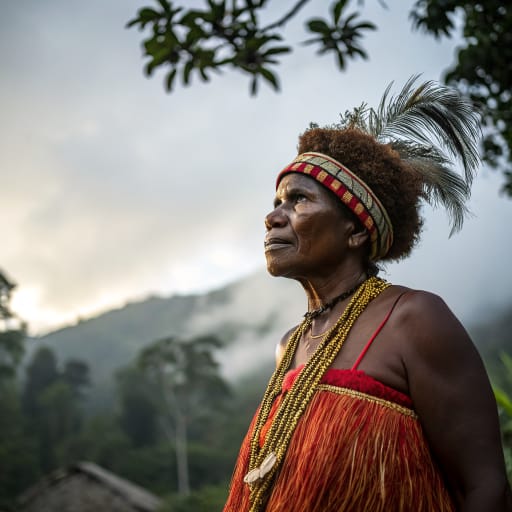
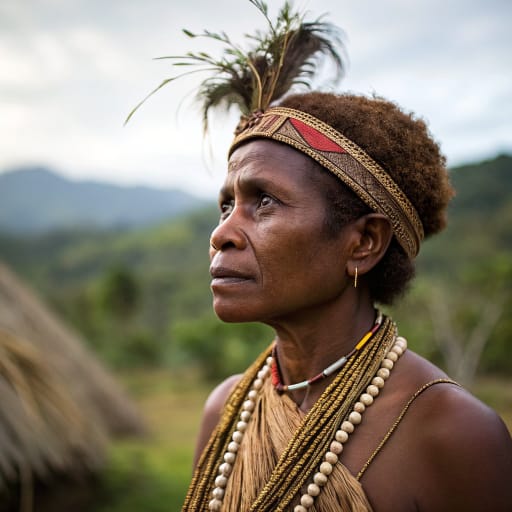
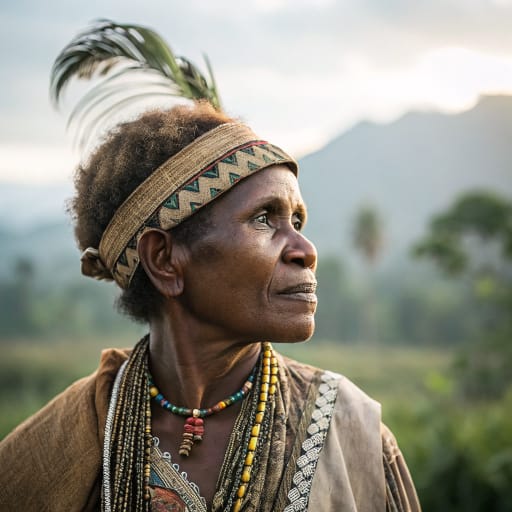
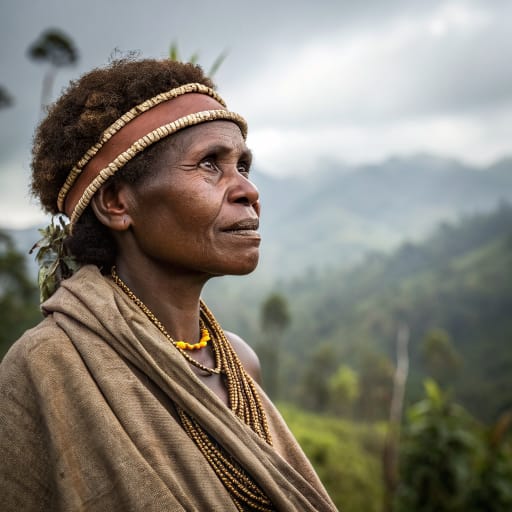
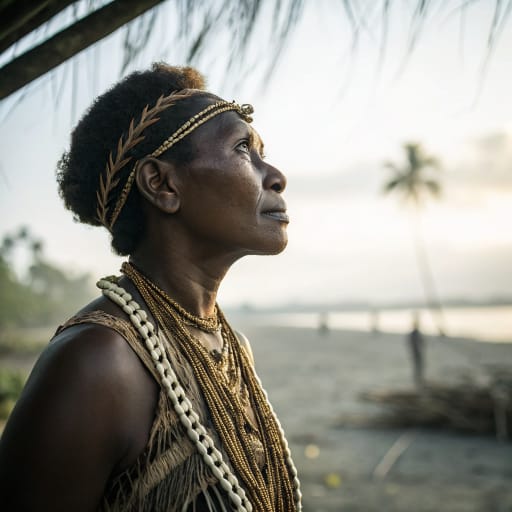
Typical Tikopia Phenotypes
Reference for AI generation: hair, eyes, skin, facial structure, build
Explore phenotype categories
Structured taxonomy with peer-reviewed scales · 22 anatomical categories
Erotic Poses & Sex Positions
From the pose catalog: 219 named positions with reference skeletons
Frequently asked questions about Tikopia people
Where is the Tikopia homeland?
The Tikopia homeland is Tikopia Island, Temotu Province, Solomon Islands in Melanesia.
What language do Tikopia people speak?
Tikopia people primarily speak Tikopia (Austronesian, Polynesian outlier).
What religion do Tikopia people practice?
The predominant religion among Tikopia people is Historically the traditional Tikopia religion; today Christian (Anglican, Church of Melanesia).






Make your own Tikopia images
Five a day, free, no credits to buy. The studio starts from this group's phenotype data, so you can set body type, pose and style and keep the traits accurate.
Start with Tikopia