No portrait yet
Shaqaqi Erotic
Iranian Azerbaijan, chiefly the Sarab and Mianeh areas of East Azerbaijan province, Iran
Azerbaijani (Turkic); originally Kurdish (Indo-European, Iranian), with Persian (Indo-European, Iranian) used for school and government
Shia Islam (Twelver)
A tribe of Kurdish origin, now Turkic-speaking and largely absorbed into the Azerbaijani population of northwestern Iran; distinct from the Shikak Kurds of the Urmia region
About Shaqaqi People
The Shaqaqi are a tribe that changed languages and kept its name. They are Kurdish in origin and have long lived in the uplands of Iranian Azerbaijan, around Sarab and Mianeh. Over generations they took up the Azerbaijani Turkic spoken all around them. What marks someone as Shaqaqi today is not dialect or costume but descent: a tribal name, a sense of lineage, and a place in the political history of northwestern Iran. For a few years at the close of the eighteenth century, that place was much larger than the tribe's size would suggest.
Their country is high and dry, and its winters are hard. Sarab sits in a basin below the volcanic mass of Mount Sabalan. Mianeh lies to the south on the old road linking Tabriz with Zanjan and Tehran, a route used by armies and caravans alike. Holding ground on the approaches to Tabriz gave the tribe's leaders weight with whoever ruled the province. The Shaqaqi should not be confused with the Shikak, the Kurdish confederacy west of Lake Urmia. The names sound alike, but they are separate peoples with separate histories.
The Shaqaqi name entered the chronicles in 1797. Agha Mohammad Khan, founder of the Qajar dynasty, was assassinated in his camp at Shusha, and the crown jewels ended up with Sadeq Khan Shaqaqi, a tribal chief who had risen to high command in the shah's army. He used the jewels and the confusion to make a bid for the throne. It failed. Fath-Ali Shah, the dead king's nephew and chosen heir, defeated him, and Sadeq Khan later died in royal custody. The episode shows how thin the line could be, in that era, between a tribal leader serving the crown and a rival for it.
Religious life follows the pattern of the region. The Shaqaqi are Shia Muslims, and their year turns on the same things it does across Iranian Azerbaijan: Friday prayers, the mourning processions of Muharram, and visits to shrines. Azerbaijani is the language of home and market, and Persian is the language of school and government. Kurdish survives mostly as family history rather than as everyday speech. Most Shaqaqi now live settled lives in villages and district towns, and the name reaches well beyond the tribe as the common Iranian surname Shaghaghi.
Related ethnic groups
Groups that share Shaqaqi's homeland, region, language, or religious tradition. These are likely candidates for comparative phenotype reference.
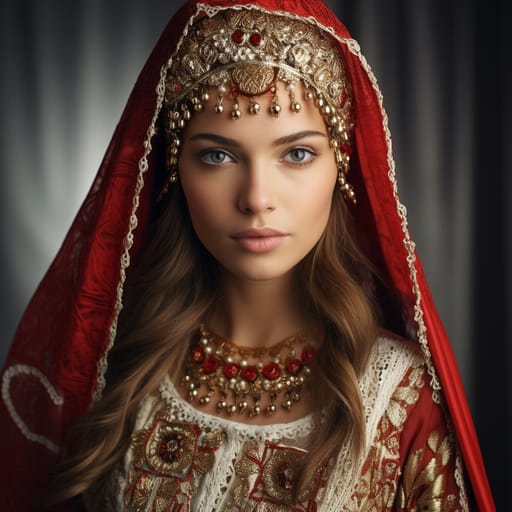
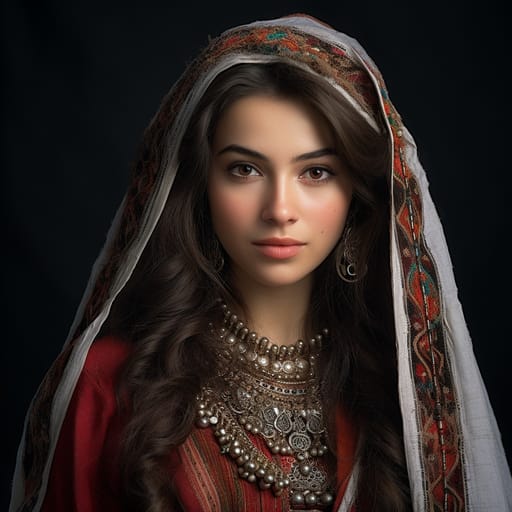
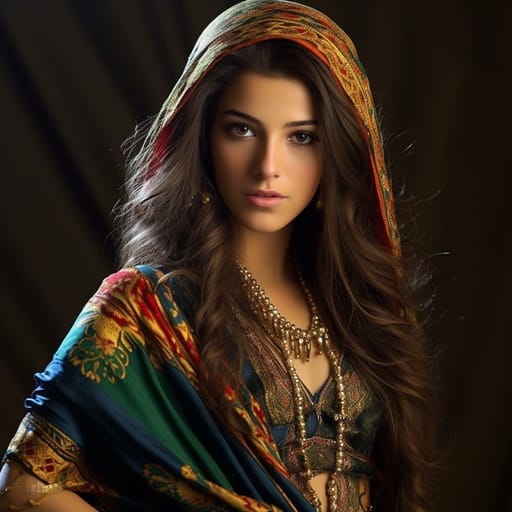
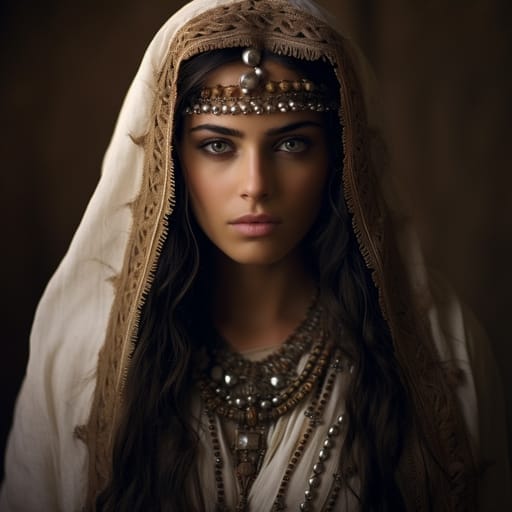
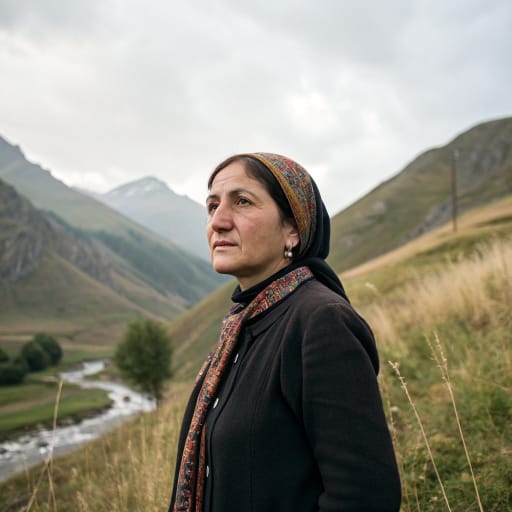
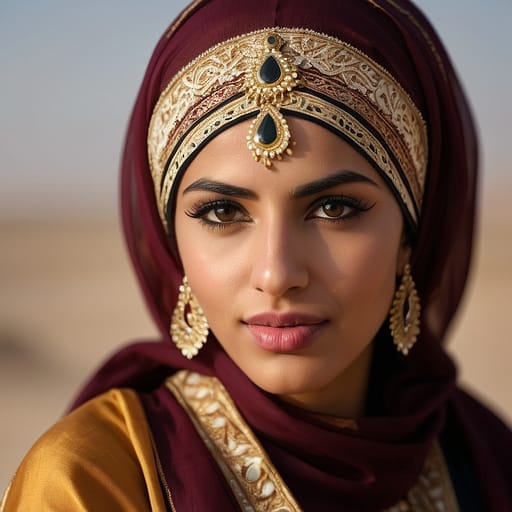
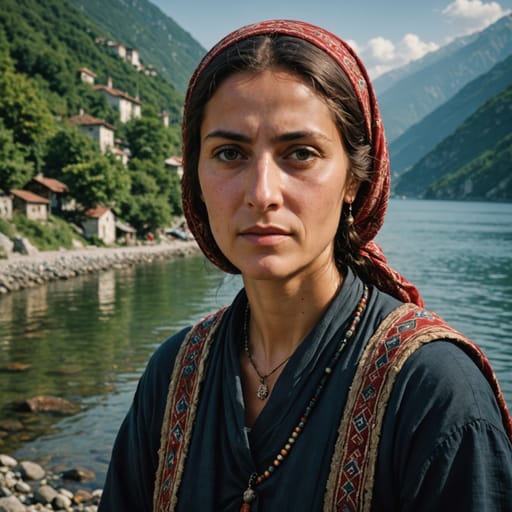
Typical Shaqaqi Phenotypes
Reference for AI generation: hair, eyes, skin, facial structure, build
Explore phenotype categories
Structured taxonomy with peer-reviewed scales · 22 anatomical categories
Erotic Poses & Sex Positions
From the pose catalog: 219 named positions with reference skeletons
Frequently asked questions about Shaqaqi people
Where is the Shaqaqi homeland?
The Shaqaqi homeland is Iranian Azerbaijan, chiefly the Sarab and Mianeh areas of East Azerbaijan province, Iran in Western Asia.
What language do Shaqaqi people speak?
Shaqaqi people primarily speak Azerbaijani (Turkic); originally Kurdish (Indo-European, Iranian), with Persian (Indo-European, Iranian) used for school and government.
What religion do Shaqaqi people practice?
The predominant religion among Shaqaqi people is Shia Islam (Twelver).






Make your own Shaqaqi images
Five a day, free, no credits to buy. The studio starts from this group's phenotype data, so you can set body type, pose and style and keep the traits accurate.
Start with Shaqaqi