Help us get this right
Does this portrait look right for Sangu?
Nobody has judged this one yet. You would be the first.
Sangu Erotic
Usangu plains of Mbarali District, Mbeya Region, southwestern Tanzania, around the upper Great Ruaha River
Sangu, or Kisangu (Bantu, Niger Congo); Swahili widely spoken
Islam and Christianity, with ancestral traditions persisting
Bantu people of Tanzania's Southern Highlands, closely related to the Hehe, Bena, Pangwa and Kinga
About Sangu People
The Sangu take their name and their sense of home from Usangu, the wide, flat basin in southwestern Tanzania where the Great Ruaha River collects its headwaters before running east through Ruaha National Park. Steep escarpments of the Southern Highlands surround the plain. It is baked dry for months and flooded for others, and the Ihefu swamp at its center holds water long after the rains end. Being Sangu has long meant knowing this ground: where cattle can graze in the dry season, where the floodwater will sit, and which fields will carry a crop.
Their language, Kisangu, is a Bantu language in the same cluster as Hehe, Bena, Pangwa and Kinga, spoken by the highland peoples around them. These are near relations, which made the Sangu and Hehe rivalry of the nineteenth century closer to a feud between neighbors who knew each other well than a clash of strangers. Swahili is the language of school, trade and government, and most younger Sangu switch between the two easily.
That rivalry was the turning point in Sangu history. In the middle decades of the 1800s, after Ngoni war bands pushed north into the region, Sangu chiefs rebuilt their fighting forces on the Ngoni model and made Usangu the seat of a raiding state. Its rulers held the title Merere. The Hehe were growing stronger to the northeast under Munyigumba and then Mkwawa, and they drove the Sangu off their plain. The Merere court withdrew west into the highlands near present day Mbeya and settled at Utengule, in Safwa country. When German forces arrived and went to war with Mkwawa, Merere sided with them, and once Hehe power was broken the Sangu returned to Usangu.
Today the fight over the plain looks different. Usangu is one of Tanzania's main rice growing areas, with irrigation schemes large and small drawing water from the Ruaha's tributaries, and it has drawn farmers and herders from across the country, with Sukuma cattle keepers prominent among them. Disputes over water, grazing and the river's flow downstream have made national news, and in 2008 a large part of the wetland was absorbed into Ruaha National Park. Most Sangu households farm, keep livestock where they can, and trade in the market towns of Mbarali District. Islam and Christianity both have a real presence, and older ancestral observances have not disappeared.
Related ethnic groups
Groups that share Sangu's homeland, region, language, or religious tradition. These are likely candidates for comparative phenotype reference.
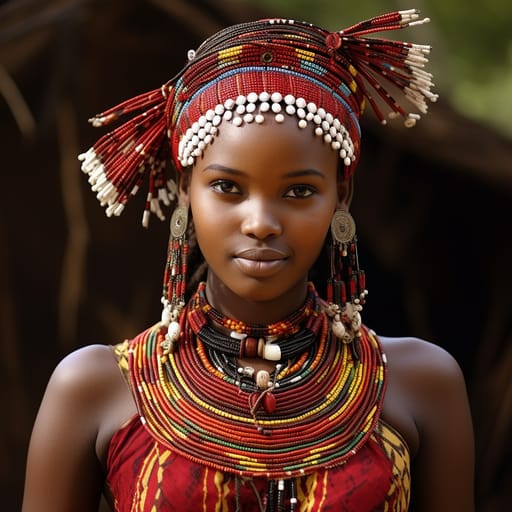
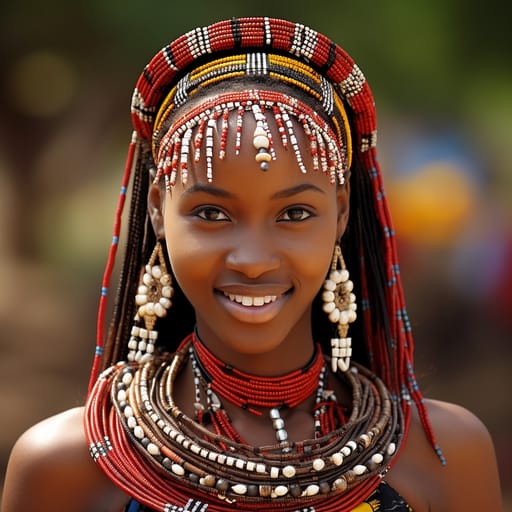
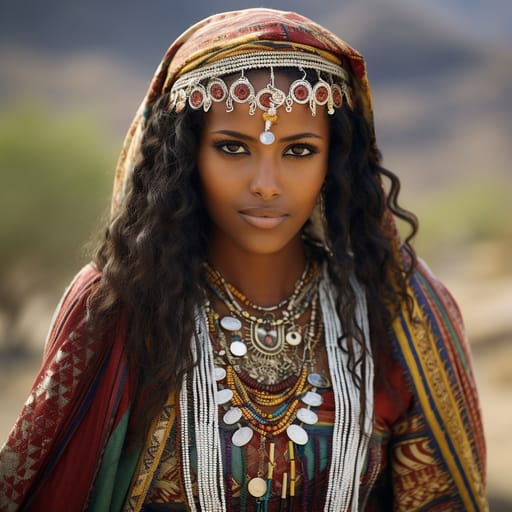
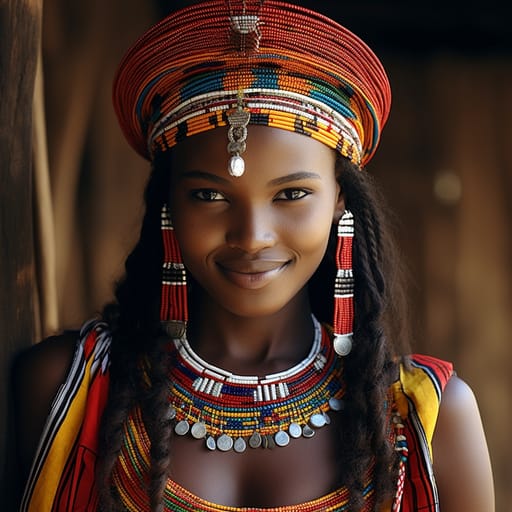
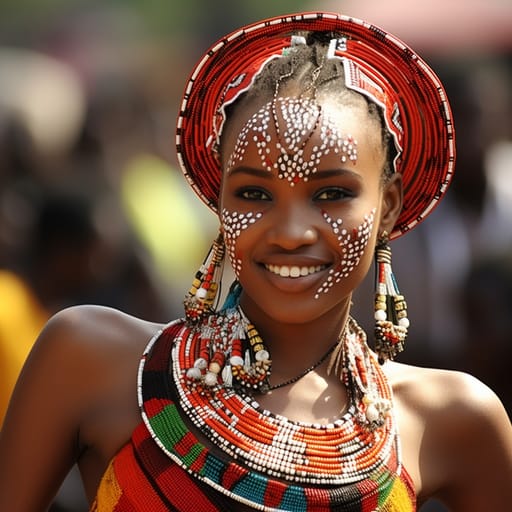
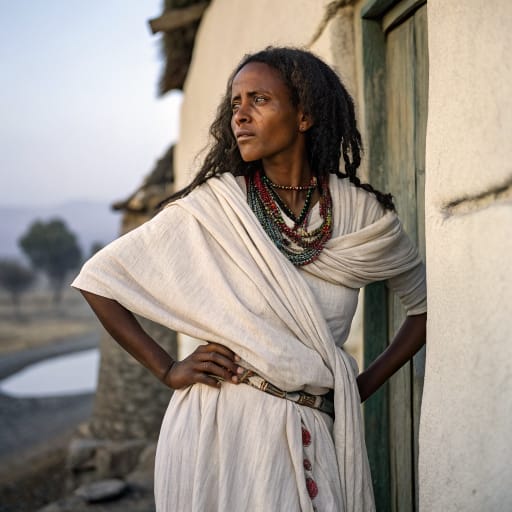
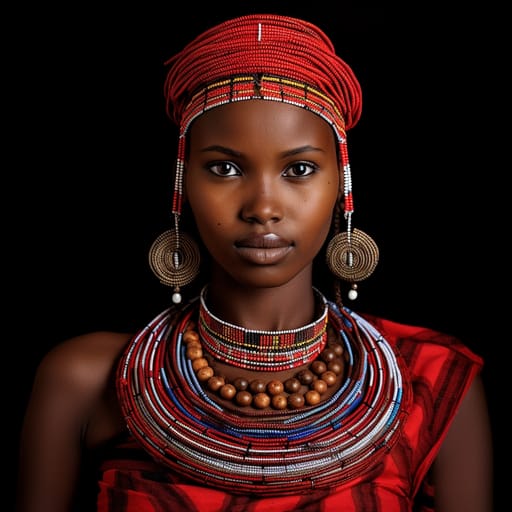
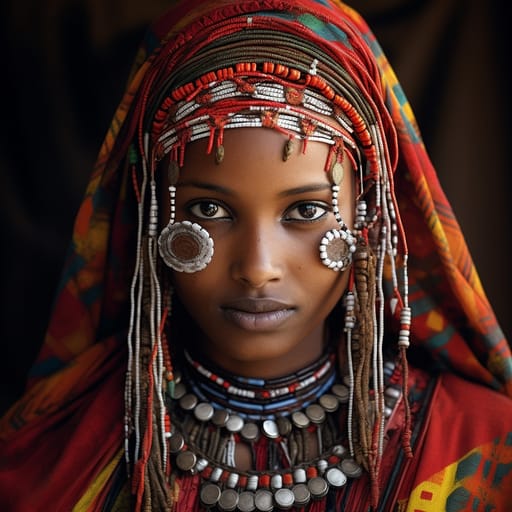
Typical Sangu Phenotypes
Reference for AI generation: hair, eyes, skin, facial structure, build
Explore phenotype categories
Structured taxonomy with peer-reviewed scales · 22 anatomical categories
Erotic Poses & Sex Positions
From the pose catalog: 219 named positions with reference skeletons
Frequently asked questions about Sangu people
Where is the Sangu homeland?
The Sangu homeland is Usangu plains of Mbarali District, Mbeya Region, southwestern Tanzania, around the upper Great Ruaha River in Eastern Africa.
What language do Sangu people speak?
Sangu people primarily speak Sangu, or Kisangu (Bantu, Niger Congo); Swahili widely spoken.
What religion do Sangu people practice?
The predominant religion among Sangu people is Islam and Christianity, with ancestral traditions persisting.






Make your own Sangu images
Five a day, free, no credits to buy. The studio starts from this group's phenotype data, so you can set body type, pose and style and keep the traits accurate.
Start with Sangu