Help us get this right
Does this portrait look right for Ndengereko?
Nobody has judged this one yet. You would be the first.
Ndengereko Erotic
Pwani Region of coastal Tanzania, south of Dar es Salaam, in the Mkuranga and Rufiji areas toward the lower Rufiji River
Kindengereko (Bantu, Niger-Congo; Matumbi-Rufiji group, Guthrie P.11), with Swahili widely spoken
Predominantly Muslim (Sunni Islam)
Coastal Bantu people of Tanzania, closely related to the Rufiji, Matumbi and Ngindo
About Ndengereko People
The Ndengereko are a Bantu-speaking people of Tanzania's coastal hinterland. They live south of Dar es Salaam, on the land that runs down toward the lower Rufiji River. Their own language and the home ground they have farmed for generations hold them together as a group. That ground sits between the Swahili towns of the Indian Ocean coast and the river peoples of the Rufiji valley. Their language, Kindengereko, belongs to a small cluster that linguists group with Rufiji, Matumbi and Ngindo, the languages of their neighbors to the south and west. Zaramo country lies to the north. Like nearly every local language on this stretch of coast, Kindengereko lives in the shadow of Swahili, which runs school, trade, radio and town life, and most Ndengereko switch easily between the two. Islam is the main faith. It came inland along the same trade routes that spread Swahili, and it shapes the week, the fasting month, naming and dress. Daily work follows the rains and the river: rice, cassava, maize and cashew on the farms, and fishing where there is water. The last widely cited population estimate, from 1987, put them at around 110,000.
History pressed hard on this corner of Tanzania. German colonial rule brought forced cotton growing. In 1905 the Maji Maji uprising broke out in the Matumbi hills next door and spread through the surrounding districts. The German response was a scorched-earth campaign, and the famine that followed emptied villages across the south. After independence, severe Rufiji floods in the late 1960s and the villagization drive of the following years moved many floodplain families into planned settlements on higher ground. That changed where people lived and what they could grow. Today the Ndengereko have one foot in the village and one in the city. Dar es Salaam is within reach by road, and many families have relatives there while they keep their farmland and kin at home. What survives most clearly is the sense of being Ndengereko rather than just coastal Tanzanian: a name, a language spoken at home, and a place on the map that people still call their own.
Related ethnic groups
Groups that share Ndengereko's homeland, region, language, or religious tradition. These are likely candidates for comparative phenotype reference.
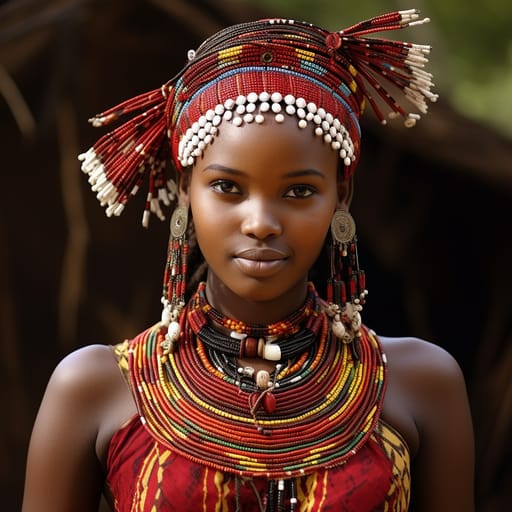
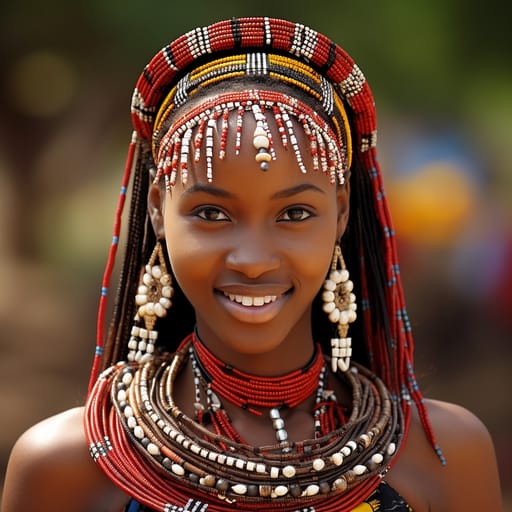
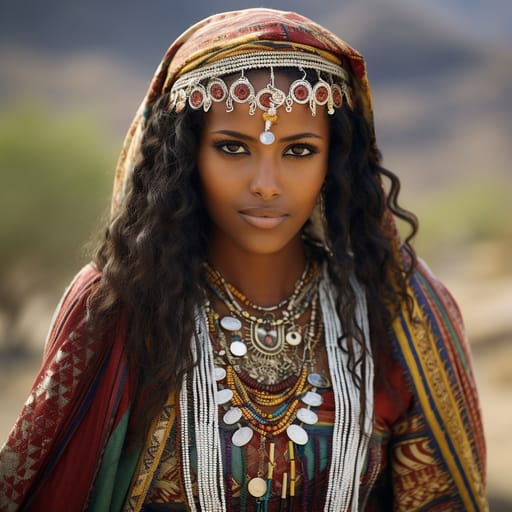
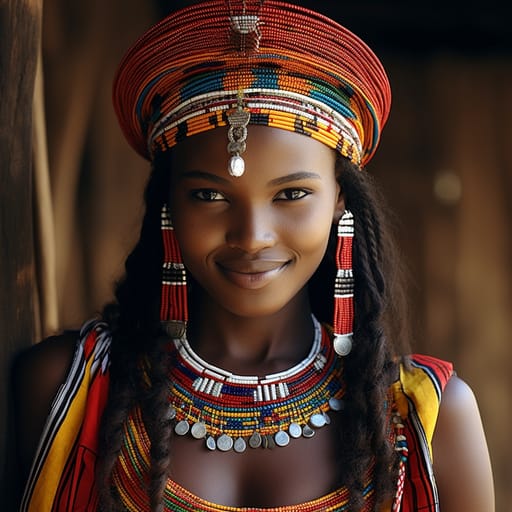
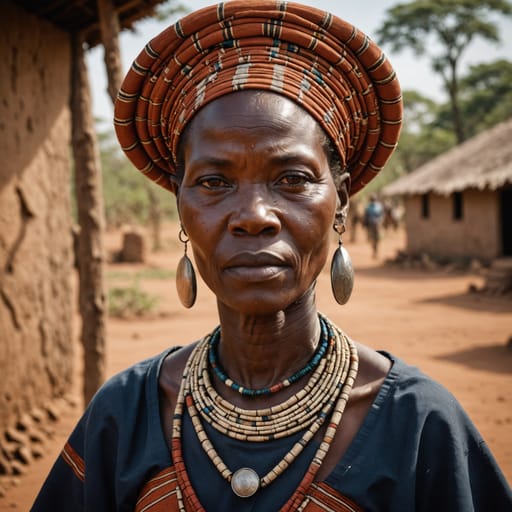
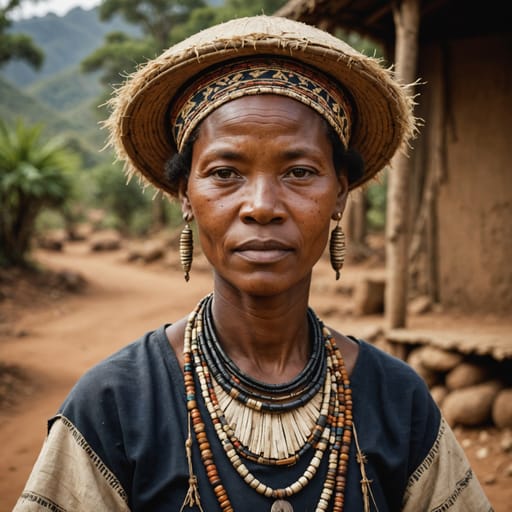
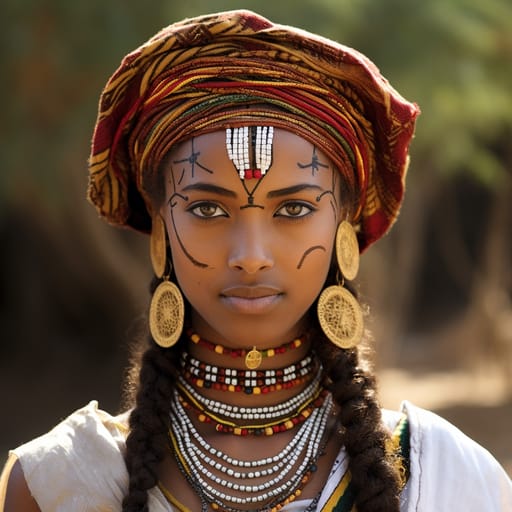
Typical Ndengereko Phenotypes
Reference for AI generation: hair, eyes, skin, facial structure, build
Explore phenotype categories
Structured taxonomy with peer-reviewed scales · 22 anatomical categories
Erotic Poses & Sex Positions
From the pose catalog: 219 named positions with reference skeletons
Frequently asked questions about Ndengereko people
Where is the Ndengereko homeland?
The Ndengereko homeland is Pwani Region of coastal Tanzania, south of Dar es Salaam, in the Mkuranga and Rufiji areas toward the lower Rufiji River in Eastern Africa.
What language do Ndengereko people speak?
Ndengereko people primarily speak Kindengereko (Bantu, Niger-Congo; Matumbi-Rufiji group, Guthrie P.11), with Swahili widely spoken.
What religion do Ndengereko people practice?
The predominant religion among Ndengereko people is Predominantly Muslim (Sunni Islam).






Make your own Ndengereko images
Five a day, free, no credits to buy. The studio starts from this group's phenotype data, so you can set body type, pose and style and keep the traits accurate.
Start with Ndengereko