Help us get this right
Does this portrait look right for Turkish?
One tap. It takes a second and it is recorded.
1 says it looks right, 0 say it looks off.
Turkish Erotic
Turkey and global Turkish diaspora
About Turkish People
Related ethnic groups
Groups that share Turkish's homeland, region, language, or religious tradition. These are likely candidates for comparative phenotype reference.
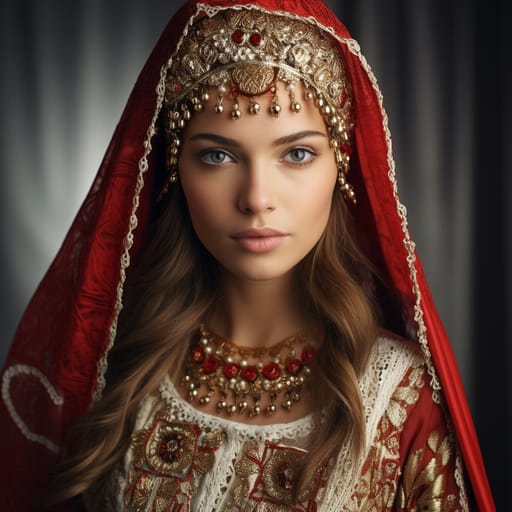
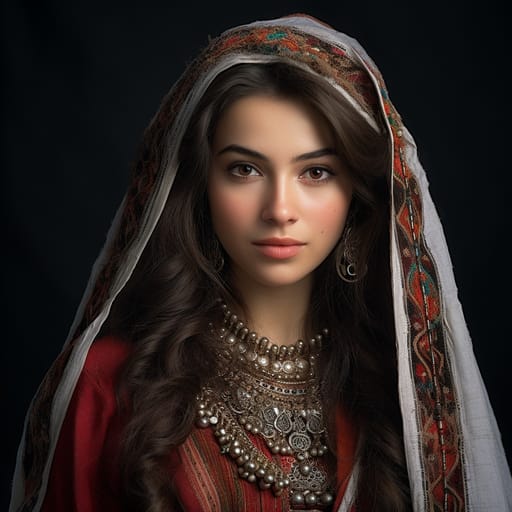
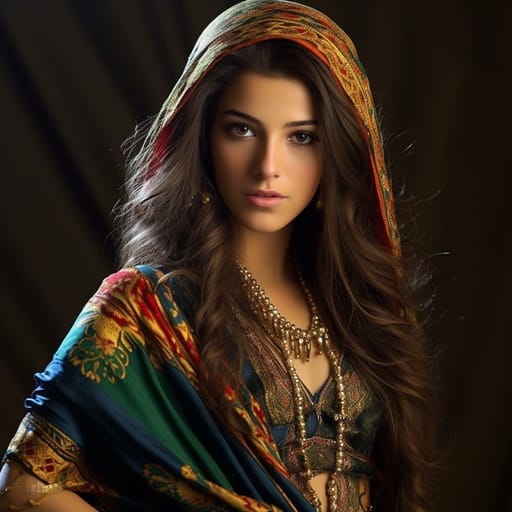
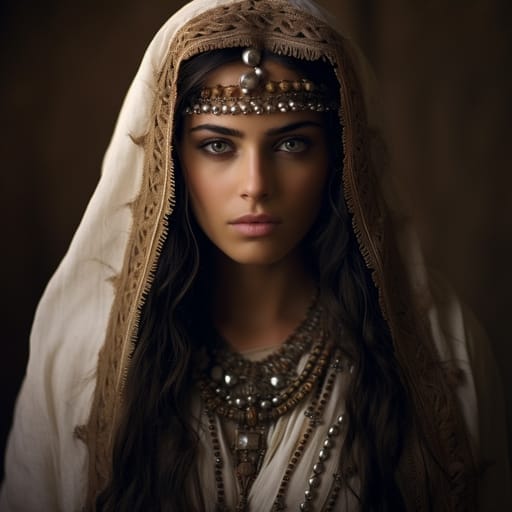
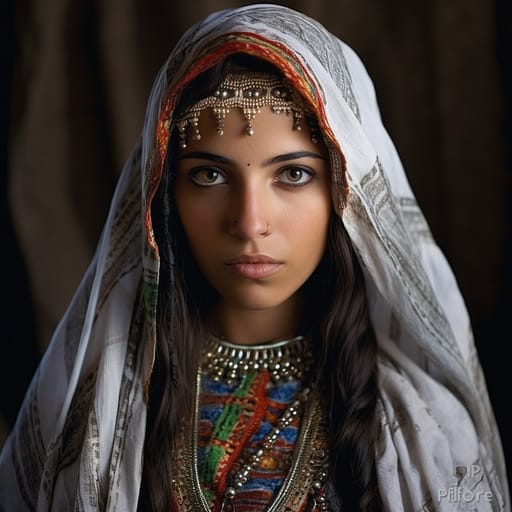
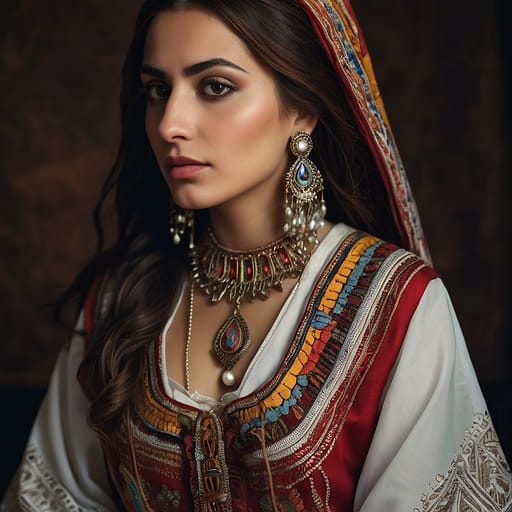
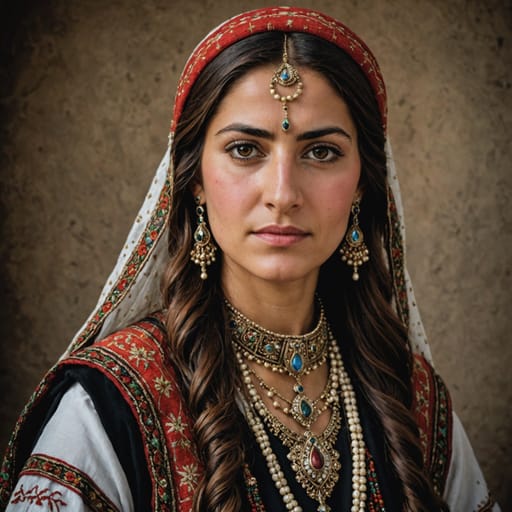
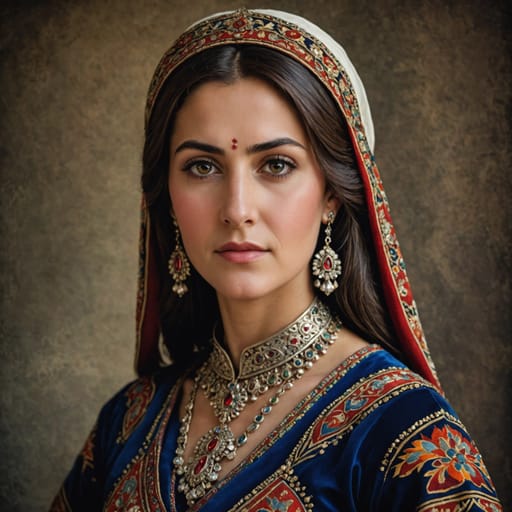
Geographic Distribution: Turkish populations across 1 country
Each row is ranked by the group's share of that country's population, with the source citation drawn from published census and demographic surveys. Click through for the full per-country phenotype profile.
| Country | Share | Source |
|---|---|---|
| Turkey | 76.0% | Estimated from international demographic sources; Turkey does not directly enumerate ethnicity in census instruments. Turkish (~76%, ~65M+); the dominant ethno-linguistic identification, predominantly Sunni Muslim (~80% of Turks are Sunni Hanafi madhhab). The Turkish ethnogenesis traces to the 11th-c. Oghuz Turkic migration into Anatolia (Battle of Manzikert 1071) plus subsequent consolidation under successive Anatolian Turkic states (Anatolian Seljuk Sultanate, Ottoman Empire) and the broader Anatolian Indigenous source-population substrate |
Typical Turkish Phenotypes
Reference for AI generation: hair, eyes, skin, facial structure, build
Explore phenotype categories
Structured taxonomy with peer-reviewed scales · 22 anatomical categories
Notable Turkish People
38 reference figures, sourced from Wikipedia
- Sportspeople, Weightlifters
- Yahşi Baraz, born 1944)
- Sabiha Gökçen, 1913-2001)
- Vecihi Hürkuş, 1895-1969)
- Irfan Orga, 1908-1970)
- Ali İsmet Öztürk, born 1964)
- Murat Öztürk (aviator), 1953-2013)
- Nezihe Viranyalı, 1925-2004)
- Ahmet Ali Çelikten, 1883-1969)
- Tülin Şahin, model and actress
- Lalla Yacout, Mother of king Mohammed V of Morocco
- Muazzez İlmiye Çığ, sumerologist)
- Atok Karaali, Karaali Rocks
- John Komnenos the Fat, was a Byzantine noble
- Ali Ferit Gören, 1913-1987), Austrian-Turkish Olympic sprinter
- Turgut Atakol, FIBA Hall of Fame
- Turgay Demirel, 4th President of FIBA Europe
- İrem Karamete, born 1993), Olympic fencer
- Mehmet Yılmaz, striker)
- Ridvan Aydemir, ex-Muslim activist, YouTuber
- Bajkam, military commander
- Sadun Boro, sailor and global circumnavigator
- Hasan Çelebi, calligrapher
- Araksi Çetinyan, Turkish beauty pageant winner
- Emir Cemal, Turkish youtuber
- Nejat Eczacıbaşı, pharmaceutical entrepreneur
- Hadi Elazzi, talent manager
- İlhan Erdost, publisher
- Erden Eruç, completed first solo human-powered circumnavigation of the Earth by rowboat, …
- Kara Fatma, female hero
- Ghias ad-Din, was a member of the Seljuq dynasty of Rum
- Cem Karsan, volatility expert, hedge fund manager, social media personality
- Levent Kazak, scriptwriter
- Nasuh Mahruki, first Turkish summiteer of Mt. Everest
- Janet Akyüz Mattei, astronomer
- Mehmet Baybaşin, drug trafficker
- Mehmet Ali Arslan, Newspaper Writer publisher
- Tatikios, c. 1048 - died after 1110), Byzantine general
Erotic Poses & Sex Positions
From the pose catalog: 219 named positions with reference skeletons
Frequently asked questions about Turkish people
Where is the Turkish homeland?
The Turkish homeland is Turkey and global Turkish diaspora in Western Asia.
What countries do Turkish people live in?
Turkish populations are documented across 1 country: Turkey.






Make your own Turkish images
Five a day, free, no credits to buy. The studio starts from this group's phenotype data, so you can set body type, pose and style and keep the traits accurate.
Start with Turkish