Help us get this right
Does this portrait look right for Moxo?
Nobody has judged this one yet. You would be the first.
Moxo Erotic
The Llanos de Moxos in the Beni department of lowland Bolivia, centered on Trinidad and San Ignacio de Moxos.
Mojeño, in its Trinitario and Ignaciano varieties, with Loretano and Javeriano nearly or entirely gone (Arawakan); Spanish is widely spoken.
Catholic, in a form built by the Jesuit missions and administered locally through the cabildo indigenal, alongside surviving indigenous practice.
Trinitario, Ignaciano, Loretano and Javeriano, each named for a mission town; part of the wider Arawakan-speaking peoples of the southwest Amazon.
About Moxo People
The Moxo are a lowland people of the Llanos de Moxos, a savanna in the Bolivian department of Beni that spends half the year under water and the other half cracking in the sun. That rhythm sets everything else: where you build, when you plant, how you travel. The plains are also one of the great engineered landscapes of pre-Columbian America, threaded with raised planting platforms, canals, fish weirs and causeways that run straight for miles and are still legible from the air. The Moxo live on that ground now, and they are among the larger indigenous peoples of the Bolivian lowlands. Their language, Mojeño, belongs to the Arawakan family, which puts its relatives at a distance: Arawakan reaches north to the Caribbean and east across Brazil, while the Moxo's immediate neighbors speak languages from several unrelated families, making the plains one of the most linguistically crowded places in South America. Mojeño survives mainly as Trinitario and Ignaciano. Loretano and Javeriano have gone quiet.
Those variety names are mission names, and that is the other half of the story. Jesuits arrived in the 1680s and gathered scattered communities into towns: Trinidad, San Ignacio, Loreto, San Javier. The order was expelled in 1767 and the towns stayed, run by the people in them. The cabildo indigenal, a council of officeholders carrying colonial titles, still organizes church and festival life. So does the music. Baroque scores brought in by the missions were copied and recopied by Moxo scribes for generations, and the archive at San Ignacio de Moxos holds thousands of pages of them, played by local musicians who learned them from the people before them rather than from a conservatory. The concentrated version of all this is the Ichapekene Piesta at San Ignacio, listed by UNESCO in 2012, where the feast of Saint Ignatius is staged as an indigenous victory and the macheteros dance in wide crowns of macaw feathers. Less widely known is the Loma Santa, the holy hill: for more than a century, groups of Trinitarios have left settled towns and walked east into the forest looking for a promised place beyond the reach of outsiders, a search that is religious and territorial at once. The same pressure produced the March for Territory and Dignity in 1990, a monthlong walk from Trinidad up to La Paz that forced lowland land rights onto the national agenda, and Moxo communities have been central to the long fight over the road through the TIPNIS ever since.
Related ethnic groups
Groups that share Moxo's homeland, region, language, or religious tradition. These are likely candidates for comparative phenotype reference.
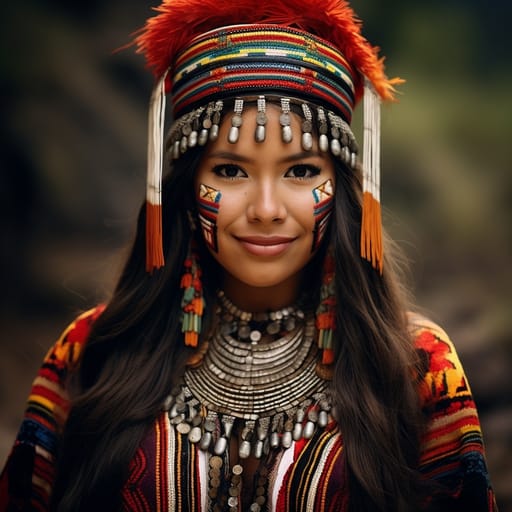
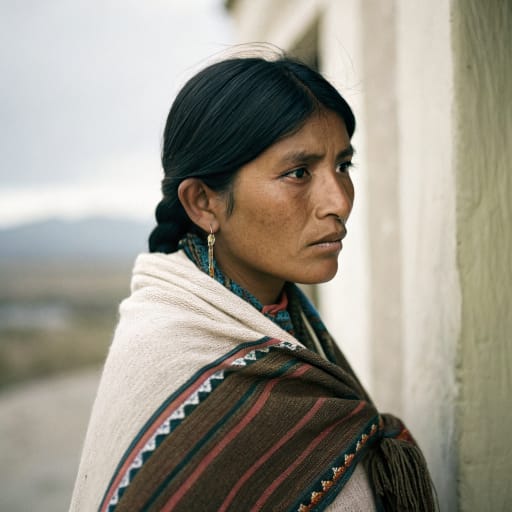
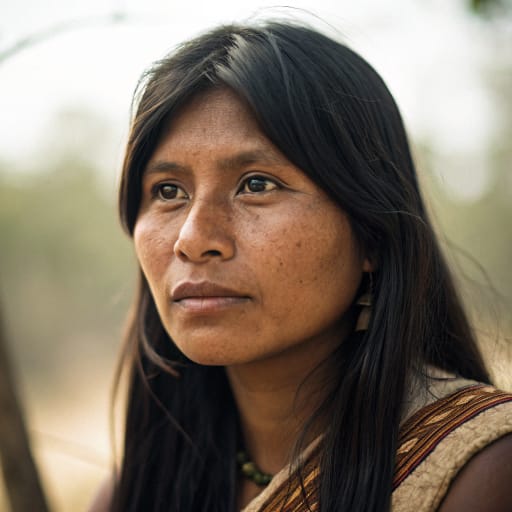
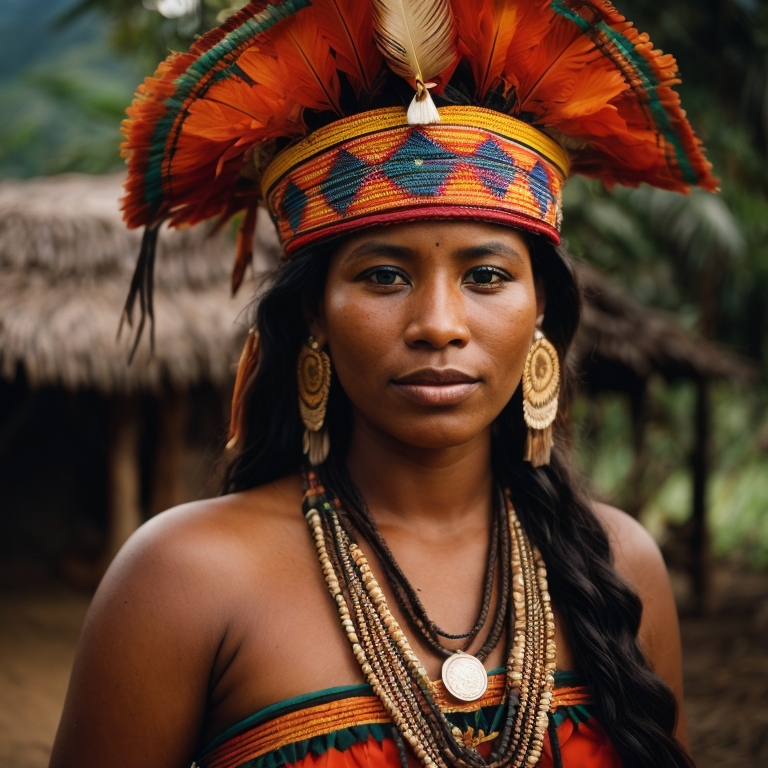
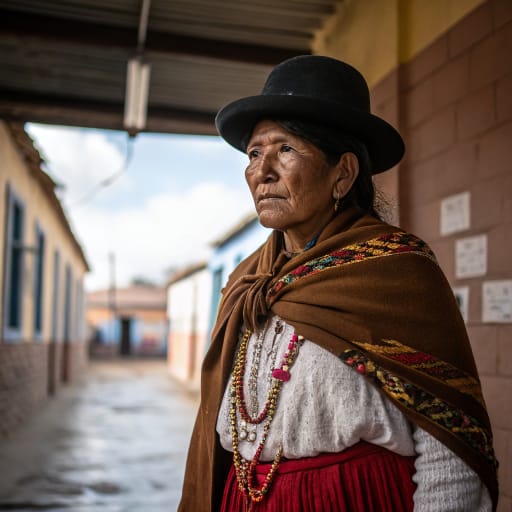
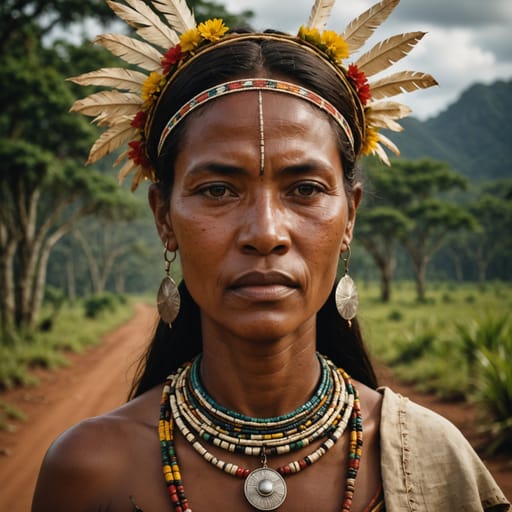
Typical Moxo Phenotypes
Reference for AI generation: hair, eyes, skin, facial structure, build
Explore phenotype categories
Structured taxonomy with peer-reviewed scales · 22 anatomical categories
Erotic Poses & Sex Positions
From the pose catalog: 219 named positions with reference skeletons
Frequently asked questions about Moxo people
Where is the Moxo homeland?
The Moxo homeland is The Llanos de Moxos in the Beni department of lowland Bolivia, centered on Trinidad and San Ignacio de Moxos. in South America.
What language do Moxo people speak?
Moxo people primarily speak Mojeño, in its Trinitario and Ignaciano varieties, with Loretano and Javeriano nearly or entirely gone (Arawakan); Spanish is widely spoken..
What religion do Moxo people practice?
The predominant religion among Moxo people is Catholic, in a form built by the Jesuit missions and administered locally through the cabildo indigenal, alongside surviving indigenous practice..






Make your own Moxo images
Five a day, free, no credits to buy. The studio starts from this group's phenotype data, so you can set body type, pose and style and keep the traits accurate.
Start with Moxo