Help us get this right
Does this portrait look right for Afro-Brazilian?
One tap. It takes a second and it is recorded.
3 say it looks right, 1 says it looks off.
Afro-Brazilian Erotic
About Afro-Brazilian People
Related ethnic groups
Groups that share Afro-Brazilian's homeland, region, language, or religious tradition. These are likely candidates for comparative phenotype reference.
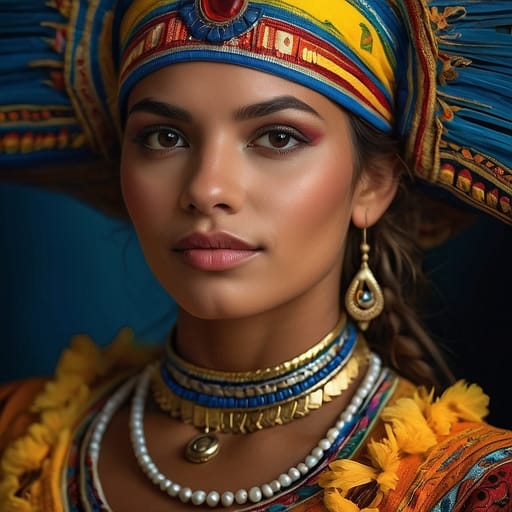
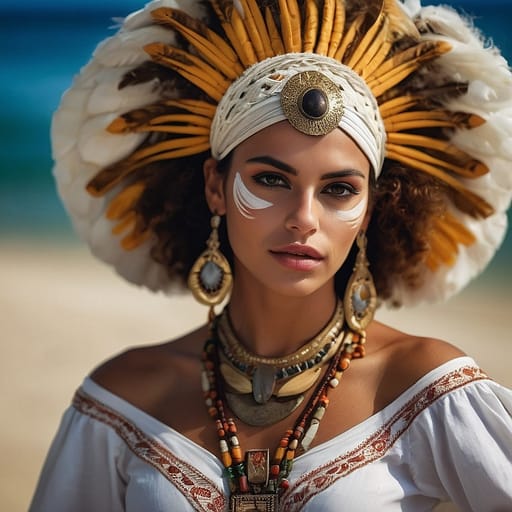
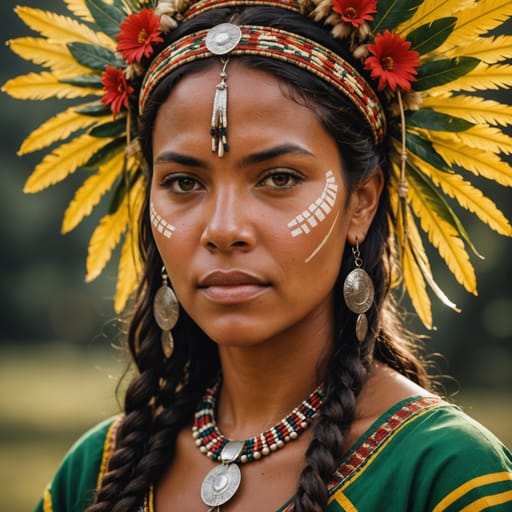
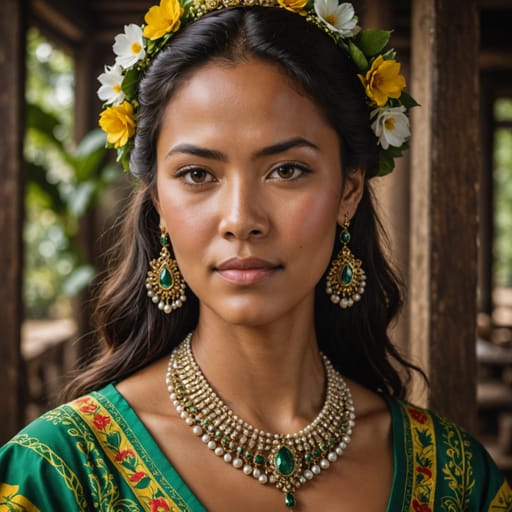
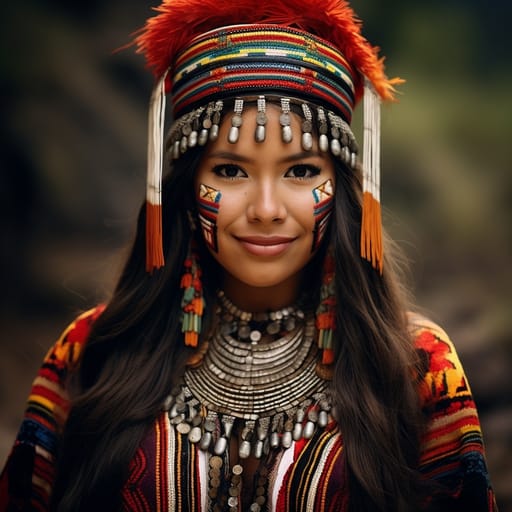
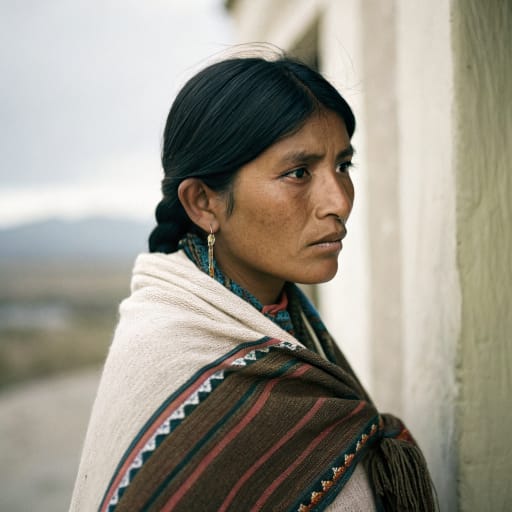
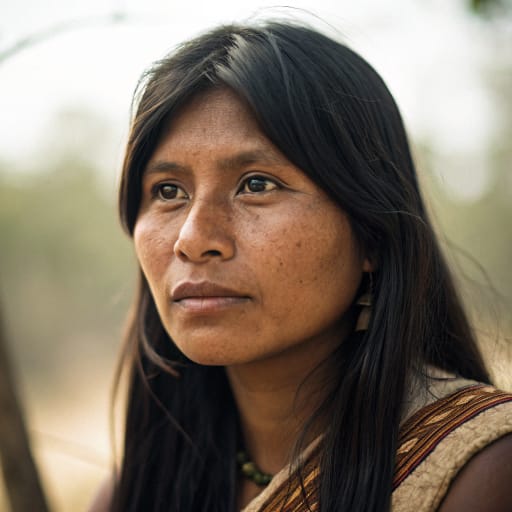
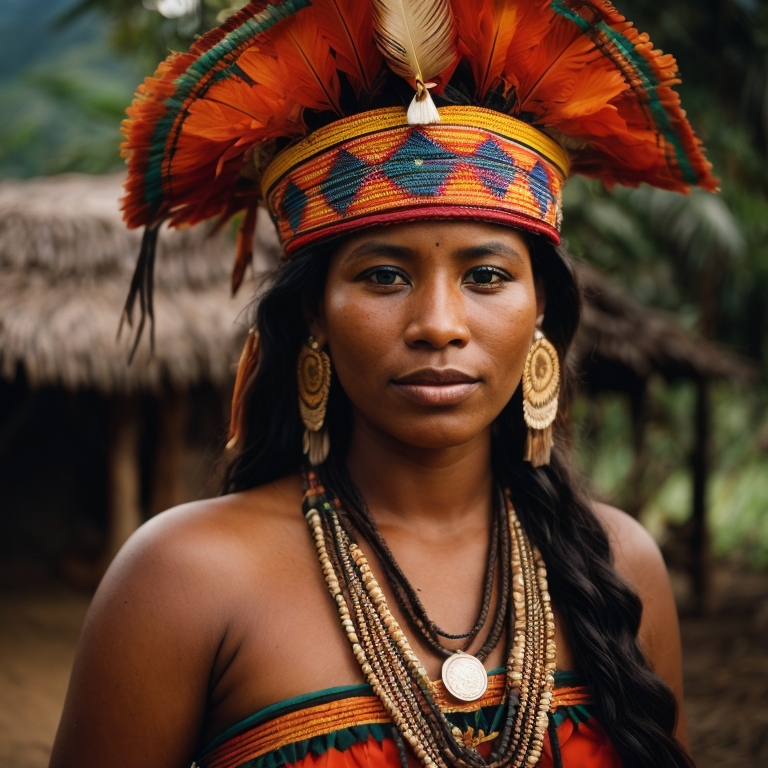
Geographic Distribution: Afro-Brazilian populations across 1 country
Each row is ranked by the group's share of that country's population, with the source citation drawn from published census and demographic surveys. Click through for the full per-country phenotype profile.
| Country | Share | Source |
|---|---|---|
| Brazil | 10.3% | IBGE 2022 Census, self-identified preta (~20.6M); cross-referenced with Pena et al. 2011 PMID 21957501 for genome-wide West/Central African ancestry distribution |
Typical Afro-Brazilian Phenotypes
Reference for AI generation: hair, eyes, skin, facial structure, build
Explore phenotype categories
Structured taxonomy with peer-reviewed scales · 22 anatomical categories
Erotic Poses & Sex Positions
From the pose catalog: 219 named positions with reference skeletons
Frequently asked questions about Afro-Brazilian people
Where is the Afro-Brazilian homeland?
The Afro-Brazilian homeland is Brazil in South America.
What countries do Afro-Brazilian people live in?
Afro-Brazilian populations are documented across 1 country: Brazil.






Make your own Afro-Brazilian images
Five a day, free, no credits to buy. The studio starts from this group's phenotype data, so you can set body type, pose and style and keep the traits accurate.
Start with Afro-Brazilian