Help us get this right
Does this portrait look right for Afro-Venezuelan?
One tap. It takes a second and it is recorded.
1 says it looks right, 0 say it looks off.
Afro-Venezuelan Erotic
Venezuela (Barlovento, Yaracuy Valley, coastal Falcón)
About Afro-Venezuelan People
Related ethnic groups
Groups that share Afro-Venezuelan's homeland, region, language, or religious tradition. These are likely candidates for comparative phenotype reference.
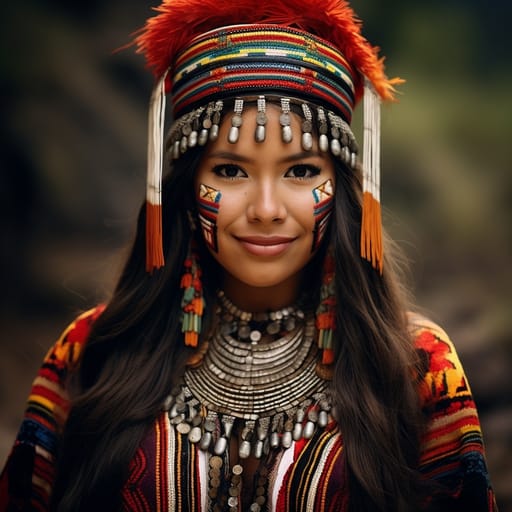
Quechua
same region (South America)
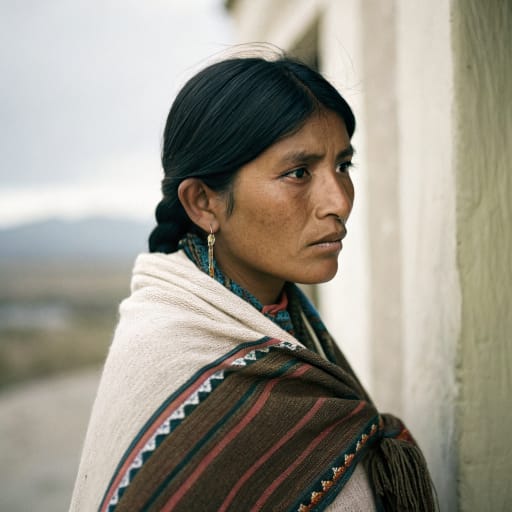
Aymara
same region (South America)
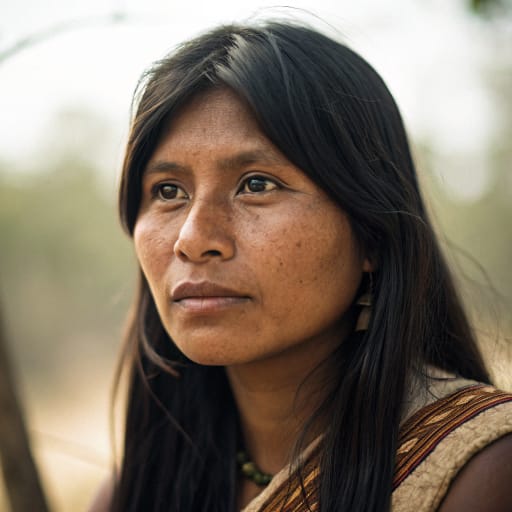
Guaraní
same region (South America)
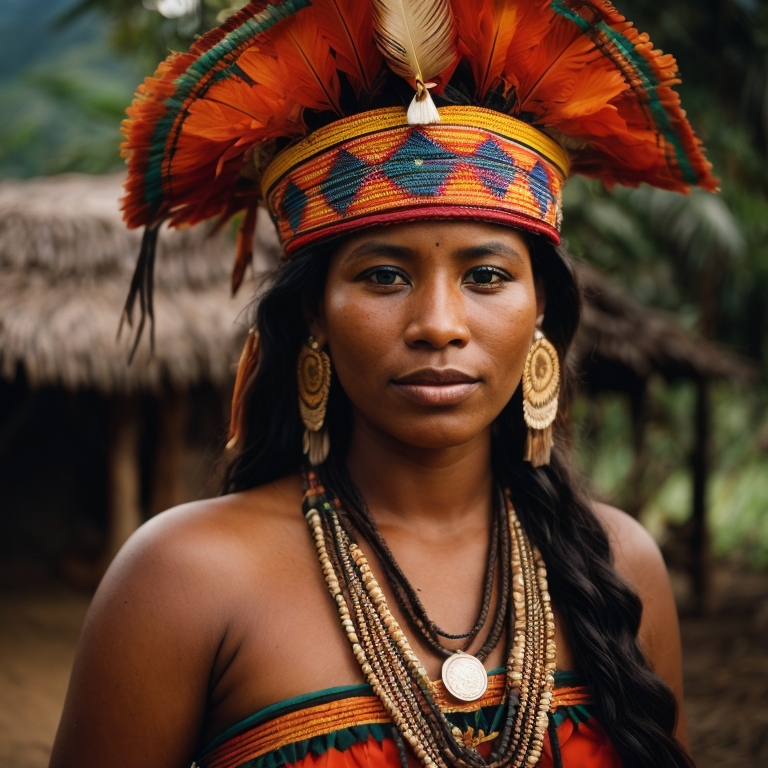
Emberá
same region (South America)
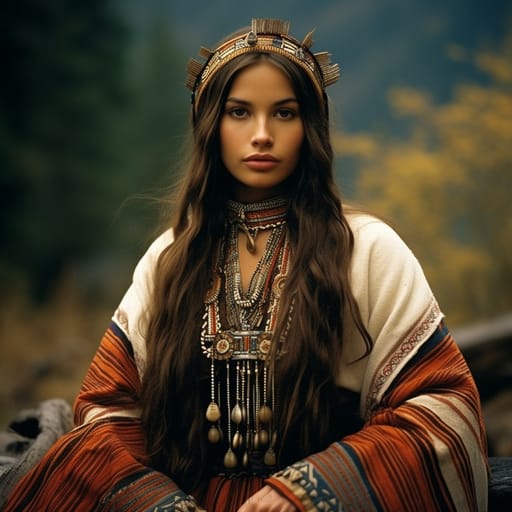
Mapuche
same region (South America)
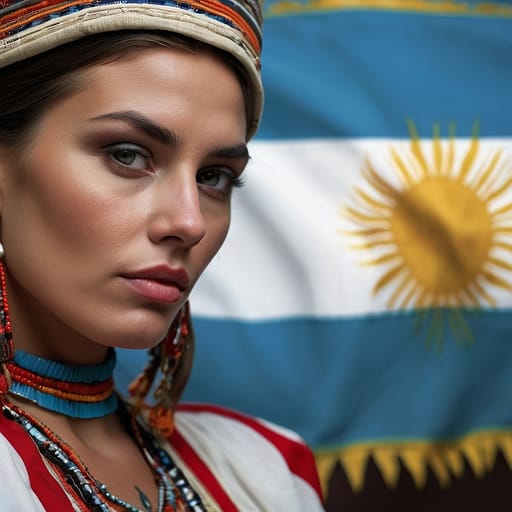
White Argentine
same region (South America)
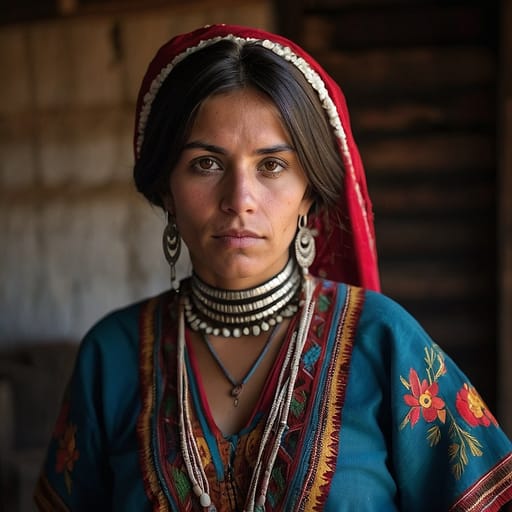
Mestizo Argentine
same region (South America)
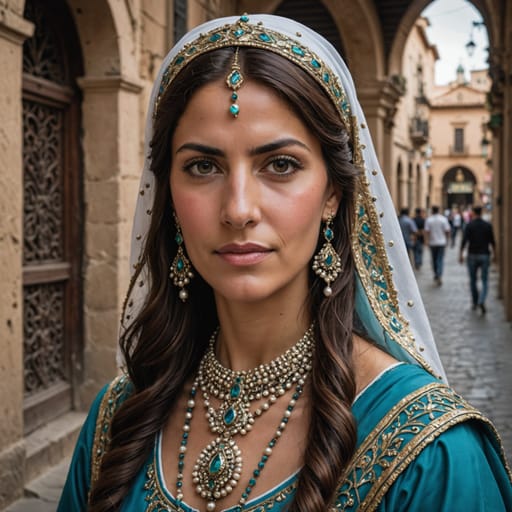
Middle Eastern Argentine
same region (South America)
Geographic Distribution: Afro-Venezuelan populations across 1 country
Each row is ranked by the group's share of that country's population, with the source citation drawn from published census and demographic surveys. Click through for the full per-country phenotype profile.
| Country | Share | Source |
|---|---|---|
| Venezuela | 3.4% | INE 2011 Census, self-identified Negro/Afrodescendiente (~3.4%); concentrated in Barlovento (Miranda), the Yaracuy Valley, the Aroa Mountains, parts of coastal Sucre, and parts of Falcón. Includes both descendants of colonial-era enslaved Africans and 19th-20th c. Caribbean immigrant populations from Trinidad and the Lesser Antilles |
Typical Afro-Venezuelan Phenotypes
Reference for AI generation: hair, eyes, skin, facial structure, build
Afro-Venezuelan Body & Anatomy Reference
South American Indigenous / European-Mestizo / Afro-Latino mix phenotype: anatomy reference for AI nude generation
Afro-Venezuelan Boobs & Breasts
Afro-Venezuelan tits and boobs run medium-to-large cup, full, high projection, the classic South American Indigenous / European-Mestizo / Afro-Latino mix bust profile. Afro-Venezuelan nipples and areolas show medium-brown to dark-brown areolar pigmentation against the tan-to-deep-brown skin tone, with areolar diameter typically in the 32-46mm range and forward-set positioning rather than the smaller bust profile of Andean Indigenous sub-populations. Afro-Venezuelan breasts trend the classic Brazilian / Latina curvy bust profile in lowland populations; smaller and shorter-set in Andean Indigenous populations, a function of the endomorph-to-mesomorph with high gluteal-femoral deposition body habitus and the mean adult female BMI 25-28. For anatomically accurate AI-generated Afro-Venezuelan nudes the render preserves the medium-to-large cup, full, high projection shape, 32-46mm areolas with medium-brown to dark-brown pigmentation, and the torso proportions of the South American Indigenous / European-Mestizo / Afro-Latino mix phenotype.
Afro-Venezuelan Ass & Hips
Afro-Venezuelan hips and butt usually read as full, high projection, the famous Brazilian / Latina bunda profile. The skeletal base is wide iliac crests, very full gluteal-femoral fat deposition (the hallmark Brazilian / Latina hip-to-waist ratio), the South American Indigenous / European-Mestizo / Afro-Latino mix pattern. Set against the slim narrow-hip East Asian profile, the difference is easy to see, and the hip-to-waist ratio is often what identifies Afro-Venezuelan women in photos.
Afro-Venezuelan Vagina & Pussy
Expect medium-brown to dark-brown labial pigmentation, fuller labia minora on Afro-Venezuelan women, in keeping with South American Indigenous / European-Mestizo / Afro-Latino mix ancestry. The pubic hair is wavy-to-curly coarse dark texture, dense distribution. Coloring should run evenly from the tan to deep-brown skin of the thighs to the labia, and Afro-Venezuelan nude imagery should keep the hair's wavy-to-curly coarse dark texture.
Afro-Venezuelan Dicks & Penis
Afro-Venezuelan dick and penile anatomy in adult AI generation should anchor on the regional reference data: regional mean ~13cm erect, moderate-to-above-average girth, and medium-brown shaft pigmentation. The Afro-Venezuelan cock profile reflects the South American Indigenous / European-Mestizo / Afro-Latino mix population's anthropometric measurements. The shaft pigmentation should track the surrounding tan to deep-brown skin tone, and the pubic hair should keep its wavy-to-curly coarse dark texture in the typical inverted-V escutcheon.
Afro-Venezuelan Body, Curves & Build
Afro-Venezuelan body type: endomorph-to-mesomorph with high gluteal-femoral deposition, with mean adult female BMI 25-28. This is the typical South American Indigenous / European-Mestizo / Afro-Latino mix build. Height range, shoulder-to-hip ratio and fat distribution all follow from it, which is what an accurate Afro-Venezuelan nude body should show.
Afro-Venezuelan Skin Tone & Hair Texture
Afro-Venezuelan skin tone falls in the tan to deep-brown (Fitzpatrick III-VI) band, the surface signal most often miscalibrated by generic AI nude generators. Afro-Venezuelan hair texture is typically straight-to-curly 1A-3C, varies widely by ancestral composition, characteristic of the South American Indigenous / European-Mestizo / Afro-Latino mix phenotype. In Afro-Venezuelan nude renders the skin should hold that band consistently across the body.
Explore phenotype categories
Structured taxonomy with peer-reviewed scales · 22 anatomical categories
Notable Afro-Venezuelan People
100 reference figures, sourced from Wikipedia
- Bobby Abreu, professional baseball player
- Ronald Acuña Jr., professional baseball player
- Jose Acevedo, track and field athlete
- Jesús Aguilar, professional baseball player
- Elvis Andrus, professional baseball player
- Omailyn Alcalá, professional boxer
- Juan Arias, thoroughbred horse trainer
- Luis Arráez, professional baseball player
- Omar Atlas, wrestler
- Luinder Avila, professional baseball player
- Josh Barfield, professional baseball player
- Eduard Bello, professional football player
- Kenton St. Bernard, Calypso singer and bandleader
- Leopoldo Billings, percussionist
- Andrés Blanco, professional baseball player
- Damaso Blanco, professional baseball player
- Oswaldo Blanco, professional baseball player
- Leopoldo Bompart, professional basketball player
- Clive Bonas, track and field athlete
- Miguel de Buría, leader of black Slaves insurrection as King Miguel
- Pedro Camejo, soldier who fought with the royal army
- Willie Cañate, professional baseball player
- Ezequiel Carrera, professional baseball player
- Cristian Cásseres, professional football player
- Cristian Cásseres Jr., professional football player
- Deyna Castellanos, professional football player
- Edson Castillo, professional football player
- Elio Chacón, professional baseball player
- Hugo Chavez, politician
- Endy Chavez, professional baseball player
- Jackson Chourio, professional baseball player
- Jesús Suárez Chourio, military officer
- Coquito, actor, TV presenter
- Sergio Córdova, professional football player
- Jesús Cova, professional boxer
- David Cubillán, professional basketball player
- Luis Gonzalez Cova, professional football player
- Oscar D'León, musician and singer
- Yonathan Del Valle, professional football player
- Asnoldo Devonish, track and field athlete
- Maria de Lourdes Devonish, singer and TV presenter
- Kelvim Escobar, professional baseball player
- Lumumba Estaba, professional boxer
- Pedro Eustache, musician
- Wuilker Faríñez, Caracas) - professional football player
- Claudio Fermin, politician, sociologist
- Manuel Cristopher Figuera, militar
- Luis Beltran Prieto Figueroa, [es] - teacher and politician
- Hortensio Fucil, track and field athlete
- Pedro Gamarro, professional boxer
- Andres Galarraga, professional baseball player
- Gabriela García, professional footballer
- Camaleon García, professional baseball player
- Cocaína García, professional baseball player
- Maikel García, professional baseball player
- Victor Garcia, profesional football player
- Marva Griffin, art curator
- Remigio Hermoso, professional baseball player
- Felix Hernandez, professional baseball player
- Arquimedes Herrera, track and field athlete
- Carl Herrera, professional basketball player
- Odubel Herrera, professional baseball player
- Yangel Herrera, professional football player
- Richard Hidalgo, professional baseball player
- Jan Carlos Hurtado, professional football player
- Carolina Indriago, Miss Venezuela 1998
- Omar Infante, professional baseball player
- Brigido Iriarte, track and field athlete
- Aristóbulo Istúriz, Venezuelan politician
- Porfi Jiménez, composer, trumpeter, band leader
- Sonny Leon, professional boxer
- Carlos London, Calypso singer and band leader
- Jose Celestino Lopez, professional baseball player
- Vidal López, professional baseball player
- Oscar Lucien, film maker and sociologist
- Martha Luna, fashion designer
- Darwin Machís, professional football player
- David MacIntosh, professional football player
- Christian Makoun, professional football player
- Víctor Maldonado, track and field athlete
- Jose Cafe Martinez, professional baseball player
- Josef Martínez, professional football player
- David Martínez, professional football player
- Julio Mayora, weightlifter
- Carlos Suarez Mendoza, professional football player
- Keider Montero, professional baseball player
- Melvin Mora, professional baseball player
- Antonia Muñoz, politician
- Morella Muñoz, musician, singer
- Ramón Muñoz, professional golfer
- Lloyd Murad, track and field athlete
- Jhon Murillo, professional football player
- Aida Navarro, lyric soprano
- Ciclón Negro, professional wrestler
- Daniel Noriega, professional football player
- Ivan Olivares, professional basketball player
- Rómulo Otero, professional football player
- Jacinto Pérez, musician called El Rey del Cuatro
- Robert Pérez, professional baseball player
- Salvador Pérez, professional baseball player
Erotic Poses & Sex Positions
From the pose catalog: 219 named positions with reference skeletons
Frequently asked questions about Afro-Venezuelan people
Where is the Afro-Venezuelan homeland?
The Afro-Venezuelan homeland is Venezuela (Barlovento, Yaracuy Valley, coastal Falcón) in South America.
What countries do Afro-Venezuelan people live in?
Afro-Venezuelan populations are documented across 1 country: Venezuela.






Make your own Afro-Venezuelan images
Five a day, free, no credits to buy. The studio starts from this group's phenotype data, so you can set body type, pose and style and keep the traits accurate.
Start with Afro-Venezuelan