No portrait yet
Jalilavand Erotic
Kermanshah province, in the Zagros Mountains of western Iran.
Laki (Iranian branch; usually grouped with Southern Kurdish), with Persian widely spoken.
Mostly Shia Islam, as among most Kurds of Kermanshah; the Yarsan faith is also present in the region.
One of the Lak tribes, part of the wider Kurdish people of western Iran.
About Jalilavand People
The Jalilavand are a Kurdish tribe of western Iran, and like most tribes of the Zagros they are defined first by descent. The name spells it out: a founding name, Jalil, joined to vand, the suffix Lak and Lur tribes use to mean the people or household of someone. Belonging runs through the father's line. The surname Jalilvand, common across Iran today, carries the same name far beyond the mountains. Their home is Kermanshah province, a region of high valleys, limestone ridges and hard winters on the approach to the Iraqi border. The Jalilavand count among the Lak, a population that sits awkwardly on the maps linguists like to draw. Laki is usually grouped with Southern Kurdish, yet it shares a great deal with neighboring Luri, and scholars still argue over where it belongs. Most Laks settle the question simply by calling themselves Kurds. Persian is the language of school, government and the city, and bilingualism is the norm. Religion follows the regional pattern. Shia Islam is the faith of most Kurds in Kermanshah, and its calendar, especially the mourning month of Muharram, shapes public life. The Yarsan faith, with its sacred lute music and hereditary spiritual families, has old roots in the same hills.
Like other Lak tribes, the Jalilavand historically combined herding with farming, and authority gathered around the households of tribal leaders. The twentieth century broke that order in stages. Reza Shah forced the Zagros tribes to settle in the 1920s and 1930s, the land reform of the 1960s undercut the landed power of tribal chiefs, and the war with Iraq brought bombardment and displacement to Kermanshah through the 1980s. Today tribal belonging works mostly as kinship: it decides who counts as family, who comes to a wedding and who stands at a grave, not who governs. Those gatherings are where tradition is loudest. Weddings bring out the dohol drum and sorna shawm, with long lines of dancers holding hands. The death of a respected elder can still call for chamar, a slow funeral music of drum and shawm that Lak and Lur communities keep for the honored dead. Outside the region, it is one of the least known customs of western Iran.
Related ethnic groups
Groups that share Jalilavand's homeland, region, language, or religious tradition. These are likely candidates for comparative phenotype reference.
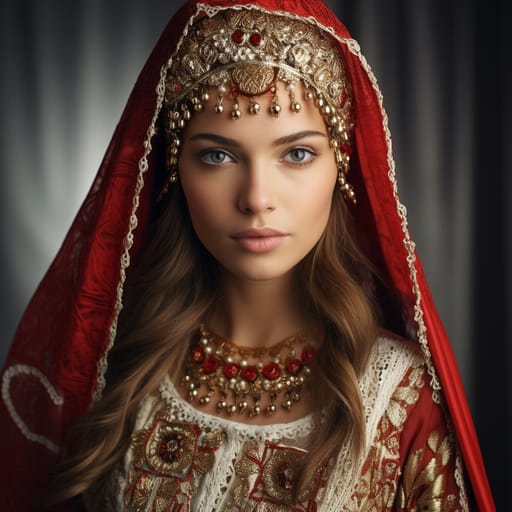
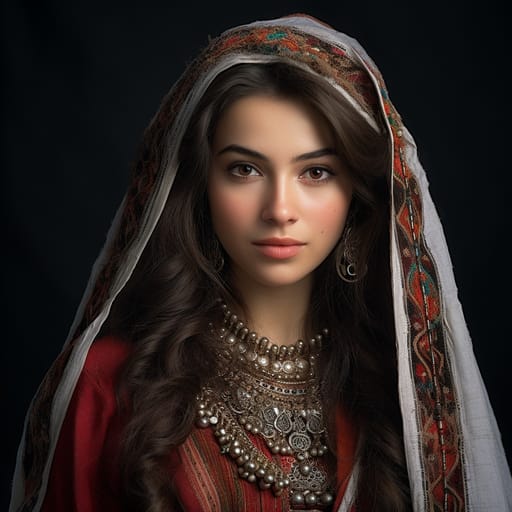
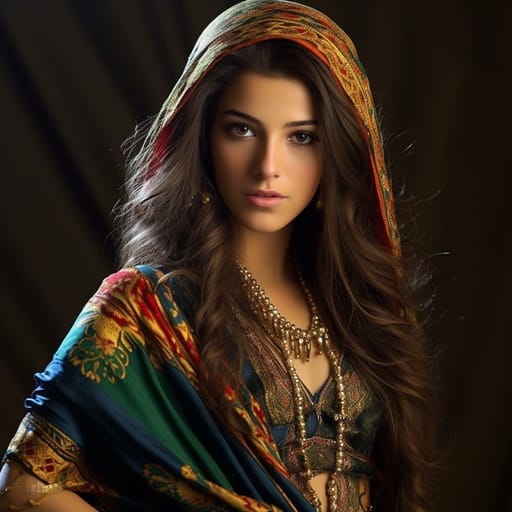
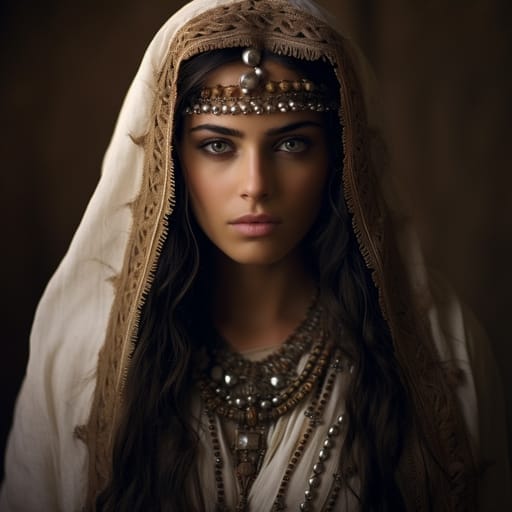
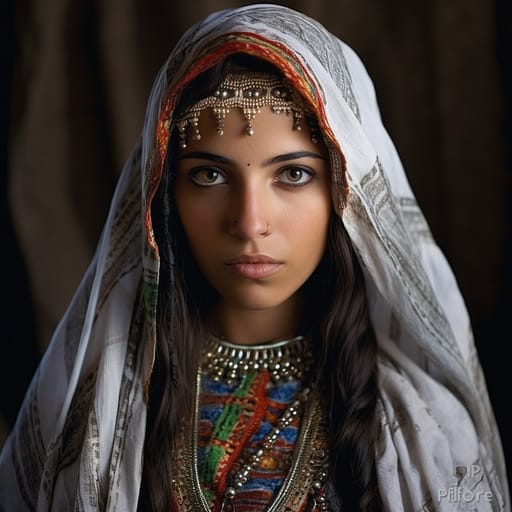
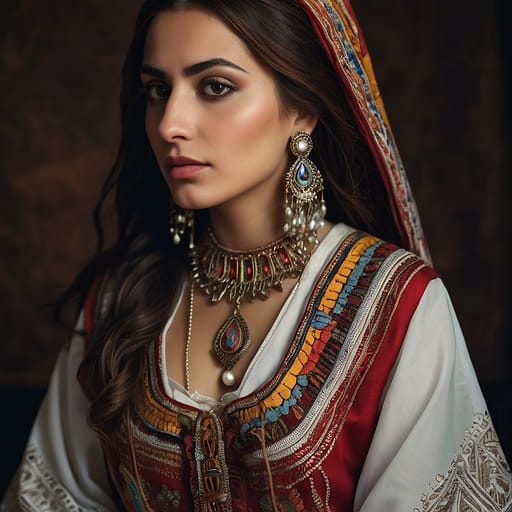
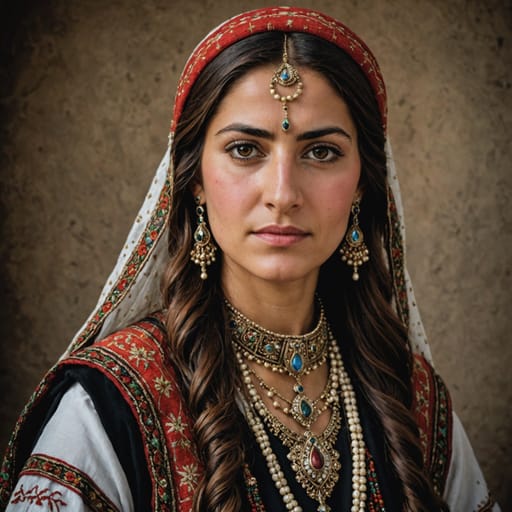
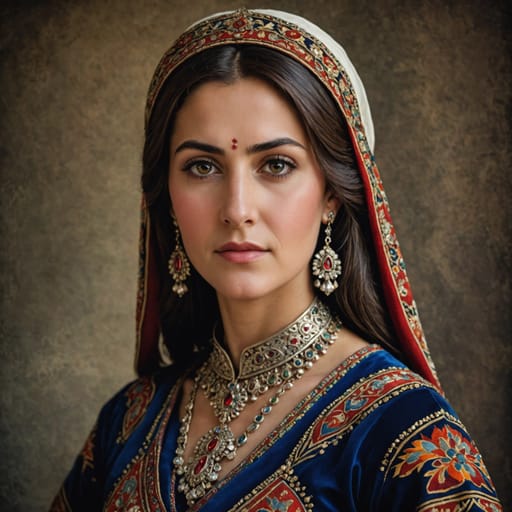
Typical Jalilavand Phenotypes
Reference for AI generation: hair, eyes, skin, facial structure, build
Explore phenotype categories
Structured taxonomy with peer-reviewed scales · 22 anatomical categories
Erotic Poses & Sex Positions
From the pose catalog: 219 named positions with reference skeletons
Frequently asked questions about Jalilavand people
Where is the Jalilavand homeland?
The Jalilavand homeland is Kermanshah province, in the Zagros Mountains of western Iran. in Western Asia.
What language do Jalilavand people speak?
Jalilavand people primarily speak Laki (Iranian branch; usually grouped with Southern Kurdish), with Persian widely spoken..
What religion do Jalilavand people practice?
The predominant religion among Jalilavand people is Mostly Shia Islam, as among most Kurds of Kermanshah; the Yarsan faith is also present in the region..






Make your own Jalilavand images
Five a day, free, no credits to buy. The studio starts from this group's phenotype data, so you can set body type, pose and style and keep the traits accurate.
Start with Jalilavand