Help us get this right
Does this portrait look right for Chaná?
Nobody has judged this one yet. You would be the first.
Chaná Erotic
Islands of the lower Paraná delta and banks of the Uruguay River, in Entre Ríos and nearby provinces of Argentina and in western Uruguay, notably Soriano
Chaná (Charruan); today Spanish (Indo-European, Romance)
Traditional beliefs before contact; Roman Catholic since the colonial missions, with renewed interest in ancestral spirituality among some descendants
One of the Charruan peoples, alongside the Charrúa, Minuán, Guenoa, Yaro and Bohán; colonial sources name related Chaná-Timbú and Chaná-Mbeguá groups
About Chaná People
The Chaná were a river people. Their country was the maze of islands, channels and reed marsh where the Paraná splits apart before it meets the Uruguay, along with the western bank of the Uruguay itself. People got around by canoe, and fishing and hunting followed the rise and fall of the water. When Spanish expeditions pushed up the Paraná in the 1500s, Chaná bands were among the first peoples they met. The chroniclers also named closely related groups, the Timbú and the Mbeguá.
Chaná belongs to the small Charruan language family, related to the speech of the Charrúa and Minuán. It is not related to Guaraní, which neighboring peoples on the same waterways spoke. On the eastern bank of the Uruguay, the Catholic mission of Santo Domingo Soriano took in Chaná families in the seventeenth century. That settlement survives as Villa Soriano, often called the oldest town in Uruguay, and it is where the language was first written down. In 1815 the priest and naturalist Dámaso Antonio Larrañaga sat with elderly Chaná there and wrote a short description of their language, with a word list. For almost two centuries that brief record was nearly all outsiders knew of it. Meanwhile Argentina and Uruguay settled into a comfortable story: their river peoples had blended into the rural population and were gone.
That story fell apart in the 2000s. Blas Jaime, a man from Entre Ríos, told the linguist José Pedro Viegas Barros that he had learned Chaná as a child from the women of his family. They had passed it down as a private family matter, not a public identity. Working together, the two greatly expanded the known vocabulary. They also recorded family accounts of beliefs and customs that no colonial observer had written down. Jaime became the voice of a language that reference books had listed as extinct. Today people in Entre Ríos and in Uruguay who trace their descent to the Chaná are taking back the name and learning the words he preserved. They want to be recognized as a living Indigenous people, not a footnote to the conquest of the Río de la Plata.
Related ethnic groups
Groups that share Chaná's homeland, region, language, or religious tradition. These are likely candidates for comparative phenotype reference.
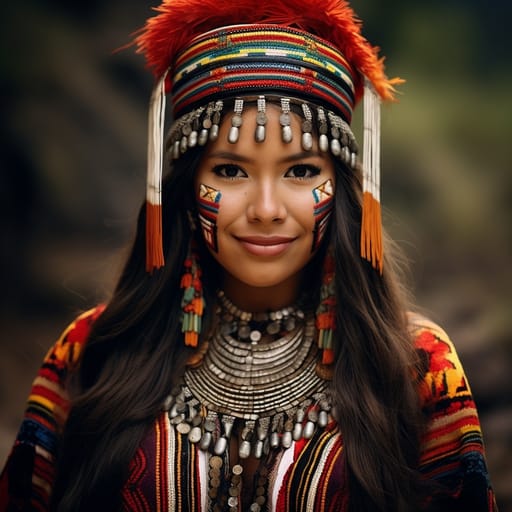
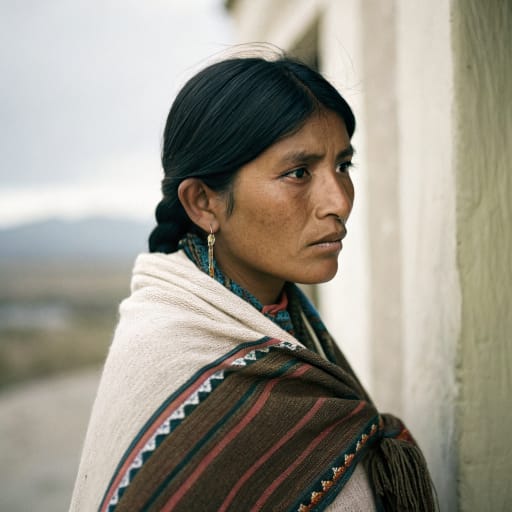
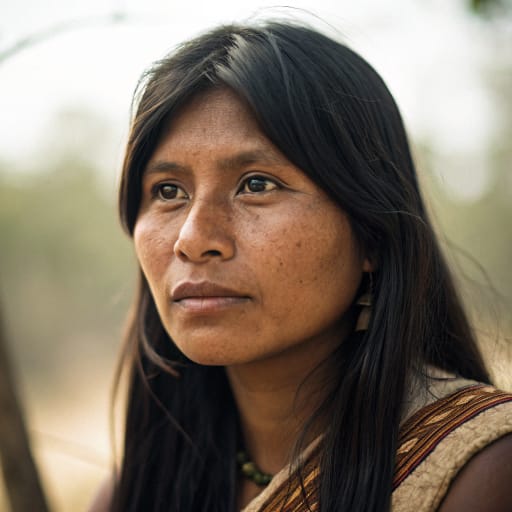
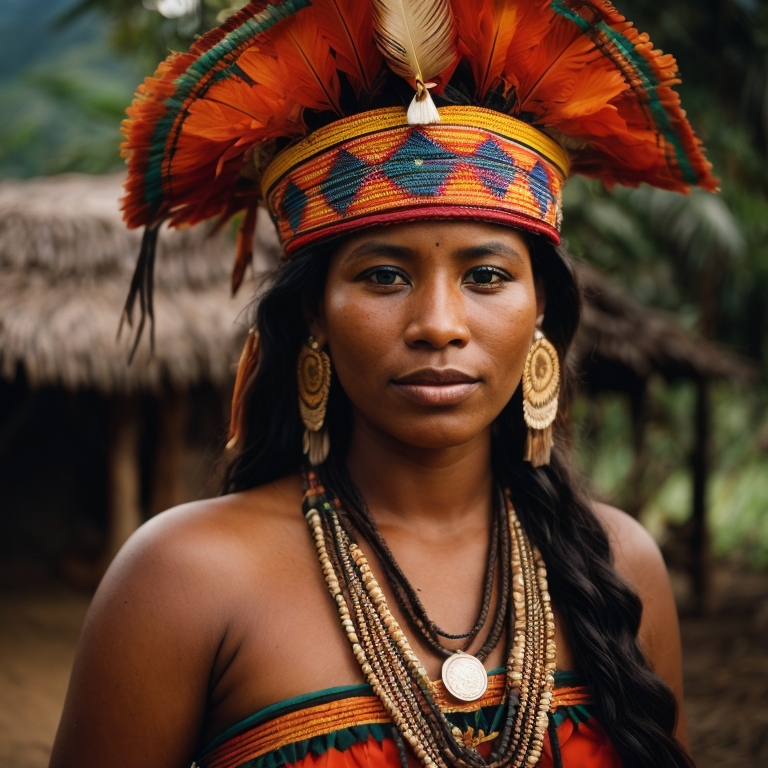
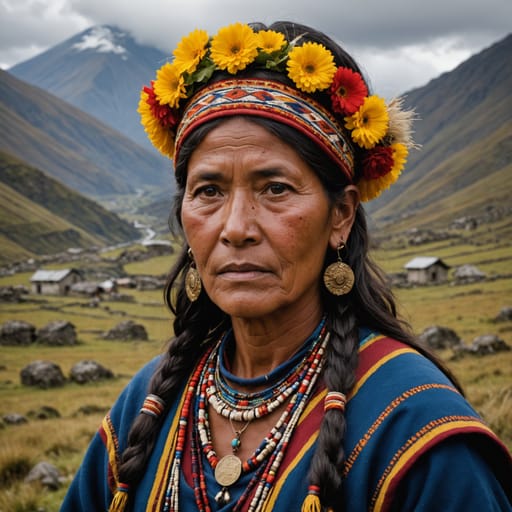
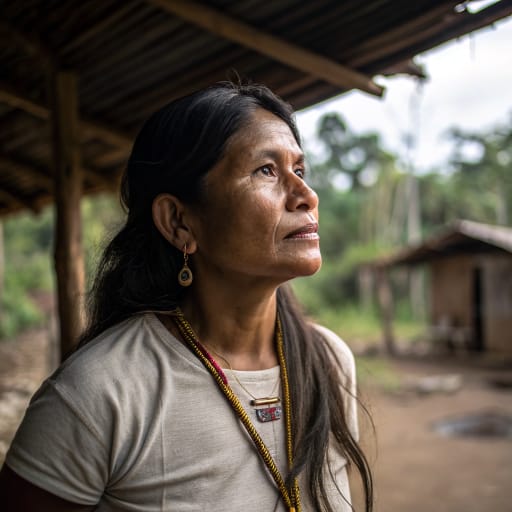
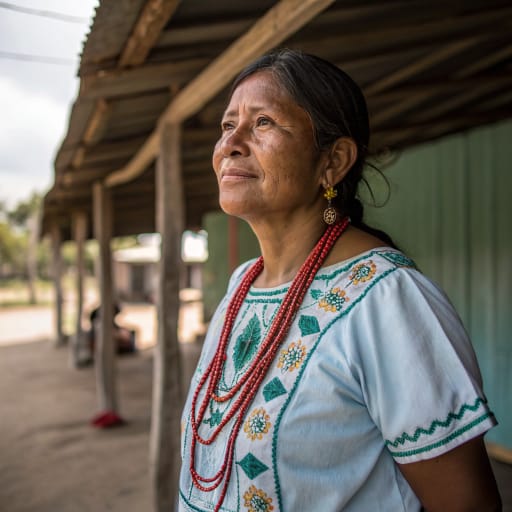
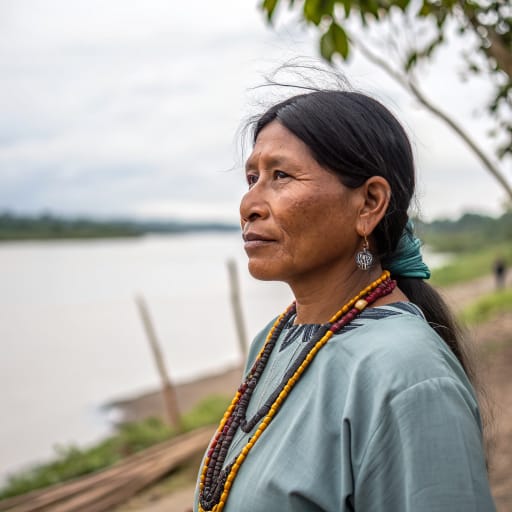
Typical Chaná Phenotypes
Reference for AI generation: hair, eyes, skin, facial structure, build
Chaná Body & Anatomy Reference
Per-feature anatomical profile for AI nude generation: South American Indigenous / European-Mestizo / Afro-Latino mix phenotype
Chaná Boobs & Breasts
Bust reference for Chaná women: medium-to-large cup, full, high projection, which is typical of South American Indigenous / European-Mestizo / Afro-Latino mix ancestry. Areolas measure about 32-46mm across, with medium-brown to dark-brown pigmentation. Body type (endomorph-to-mesomorph with high gluteal-femoral deposition) shapes the bust as well, so Chaná tits are usually the classic Brazilian / Latina curvy bust profile in lowland populations; smaller and shorter-set in Andean Indigenous populations. In AI imagery, keep the forward-set shape rather than drifting toward the smaller bust profile of Andean Indigenous sub-populations.
Chaná Ass & Hips
The Chaná ass is typically full, high projection, the famous Brazilian / Latina bunda profile, which sets it apart from the slim narrow-hip East Asian profile. Underneath, the pelvis shows wide iliac crests, very full gluteal-femoral fat deposition (the hallmark Brazilian / Latina hip-to-waist ratio), part of the South American Indigenous / European-Mestizo / Afro-Latino mix skeletal pattern. For Chaná butt pics and AI renders, match that silhouette and the overall build (endomorph-to-mesomorph with high gluteal-femoral deposition).
Chaná Vagina & Pussy
Chaná pussy and vulvar anatomy presents medium-brown to dark-brown labial pigmentation, fuller labia minora, consistent with the South American Indigenous / European-Mestizo / Afro-Latino mix phenotype's pigmentation pattern. Chaná pubic hair is typically wavy-to-curly coarse dark texture, dense distribution, in the inverted-triangle pattern. For anatomically accurate Chaná pussy renders the labial coloration should match the surrounding tan to deep-brown skin tone with a continuous gradient, and the hair should keep its wavy-to-curly coarse dark texture.
Chaná Dicks & Penis
Chaná dicks follow the South American Indigenous / European-Mestizo / Afro-Latino mix reference data: regional mean ~13cm erect; moderate-to-above-average girth; medium-brown shaft pigmentation. Shaft color should track the tan to deep-brown skin tone with a smooth change toward the glans, and Chaná pubic hair keeps its wavy-to-curly coarse dark texture.
Chaná Body, Curves & Build
Chaná body type and overall build presents as endomorph-to-mesomorph with high gluteal-femoral deposition, with mean adult female BMI 25-28: the characteristic South American Indigenous / European-Mestizo / Afro-Latino mix habitus. Chaná curves and proportions should keep the regional skeletal frame (height, shoulder-to-hip ratio, limb proportions) rather than a generic mesomorph default.
Chaná Skin Tone & Hair Texture
Chaná skin sits in the tan to deep-brown (Fitzpatrick III-VI) band. Hair is typically straight-to-curly 1A-3C, varies widely by ancestral composition, in keeping with the South American Indigenous / European-Mestizo / Afro-Latino mix phenotype. In nude renders the skin should stay one even tone from face to body, and body, pubic and head hair should match.
Explore phenotype categories
Structured taxonomy with peer-reviewed scales · 22 anatomical categories
Erotic Poses & Sex Positions
From the pose catalog: 219 named positions with reference skeletons
Frequently asked questions about Chaná people
Where is the Chaná homeland?
The Chaná homeland is Islands of the lower Paraná delta and banks of the Uruguay River, in Entre Ríos and nearby provinces of Argentina and in western Uruguay, notably Soriano in South America.
What language do Chaná people speak?
Chaná people primarily speak Chaná (Charruan); today Spanish (Indo-European, Romance).
What religion do Chaná people practice?
The predominant religion among Chaná people is Traditional beliefs before contact; Roman Catholic since the colonial missions, with renewed interest in ancestral spirituality among some descendants.






Make your own Chaná images
Five a day, free, no credits to buy. The studio starts from this group's phenotype data, so you can set body type, pose and style and keep the traits accurate.
Start with Chaná