Help us get this right
Does this portrait look right for Caldoche?
Nobody has judged this one yet. You would be the first.
Caldoche Erotic
New Caledonia, a French territory in the southwest Pacific, mainly Greater Nouméa and the rural west coast and interior of Grande Terre
French (Romance, Indo-European), spoken with a distinct local accent and vocabulary
Mostly Roman Catholic, often lightly practiced, with Protestant and secular minorities
Broussards (rural ranching families) and urban Nouméa families; descended from freed convicts, Communard deportees and free settlers such as the Feillet colonists; part of New Caledonia's wider European community
About Caldoche People
Caldoche is the name for New Caledonians of European, mostly French, descent whose families settled in the islands generations ago. Ancestry alone does not set them apart. Time does. They draw a sharp line between themselves and the Métros, the metropolitan French who come out on contracts and often leave again, and most think of themselves as people of the Pacific rather than Europeans living abroad. The word itself has long carried a slightly mocking edge. Many now use it with pride, while others prefer plain Calédonien.
Their story starts with France's annexation of New Caledonia in 1853. From 1864 to 1897 the colony was a penal settlement, and many convicts who finished their sentences received land and stayed. After 1871 the ships also carried Communards from Paris and rebels from Kabylia in Algeria, whose descendants still live around Bourail. Free settlers followed, notably the families brought out under Governor Paul Feillet in the 1890s to grow coffee. For a long time families kept quiet about convict ancestors. Today many trace that line openly. Nickel mining, which began in the colony's early decades, made and broke fortunes and still shapes the economy.
Nearly all Caldoches speak French as their only language, but it is a clearly local French, with its own accent and words borrowed from English and from Kanak languages. Catholicism is the faith most inherited, and most wear it lightly. The sharper cultural divide runs between Nouméa, where most now live and work, and the brousse, the countryside of Grande Terre's west coast and interior. The broussards there are cattle people: stockmen on horseback and hunters of the rusa deer that were introduced in the 1870s and now run wild. Their big event is the Bourail agricultural fair, whose rodeo draws crowds from across the territory.
Politics defines the modern Caldoche position. During the violent Événements of 1984 to 1988, most sided with the loyalist camp against the Kanak independence movement. That conflict ended with the Matignon Accords, and a decade later the Nouméa Accord spoke of a shared destiny for everyone in the territory. Caldoche votes weighed heavily in the referendums of 2018, 2020 and 2021, all of which kept New Caledonia French, though independence supporters boycotted the last one. The 2024 unrest over who may vote in local elections reopened old wounds on every side. A minority of Caldoches has always backed independence, and families of mixed background are common. For all their loyalty to Paris, Caldoches are unmistakably islanders.
Related ethnic groups
Groups that share Caldoche's homeland, region, language, or religious tradition. These are likely candidates for comparative phenotype reference.
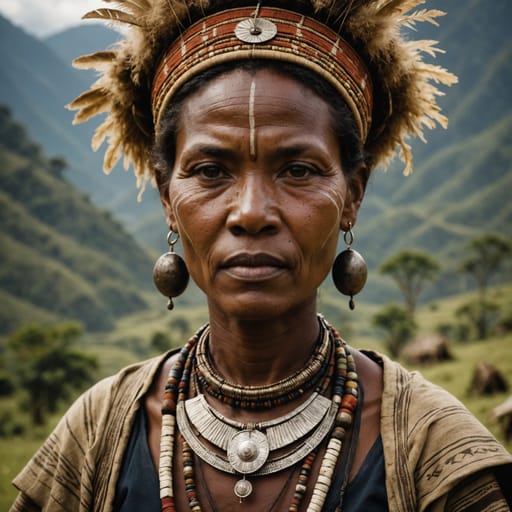
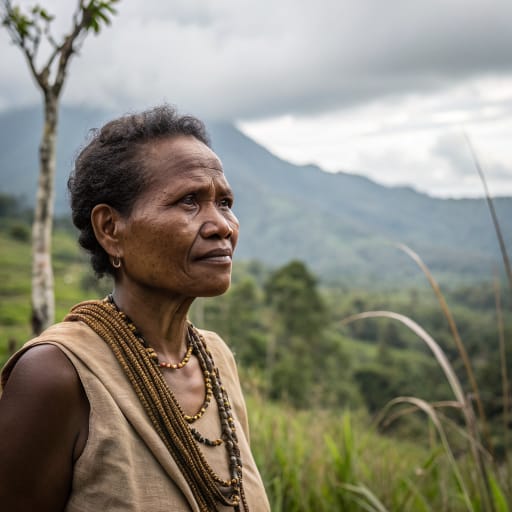
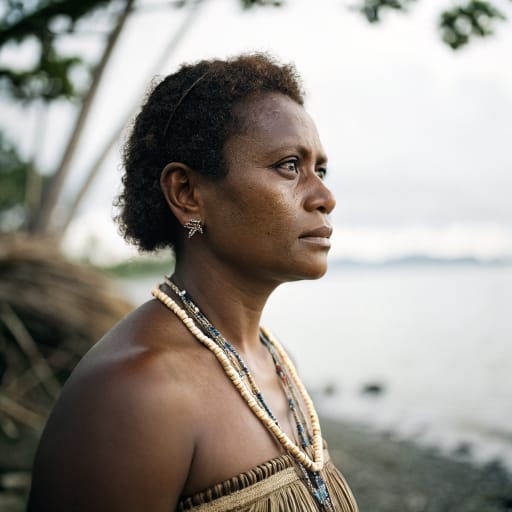
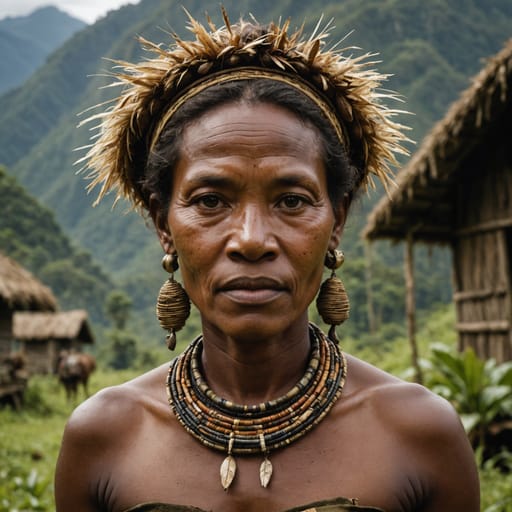
Typical Caldoche Phenotypes
Reference for AI generation: hair, eyes, skin, facial structure, build
Explore phenotype categories
Structured taxonomy with peer-reviewed scales · 22 anatomical categories
Erotic Poses & Sex Positions
From the pose catalog: 219 named positions with reference skeletons
Frequently asked questions about Caldoche people
Where is the Caldoche homeland?
The Caldoche homeland is New Caledonia, a French territory in the southwest Pacific, mainly Greater Nouméa and the rural west coast and interior of Grande Terre in Melanesia.
What language do Caldoche people speak?
Caldoche people primarily speak French (Romance, Indo-European), spoken with a distinct local accent and vocabulary.
What religion do Caldoche people practice?
The predominant religion among Caldoche people is Mostly Roman Catholic, often lightly practiced, with Protestant and secular minorities.






Make your own Caldoche images
Five a day, free, no credits to buy. The studio starts from this group's phenotype data, so you can set body type, pose and style and keep the traits accurate.
Start with Caldoche