Help us get this right
Does this portrait look right for Cabécar?
Nobody has judged this one yet. You would be the first.
Cabécar Erotic
Talamanca mountain range, Costa Rica, on the Caribbean and Pacific slopes in Limón, Cartago, San José and Puntarenas provinces
Cabécar (Chibchan, closely related to Bribri); Spanish as a second language
Traditional Talamancan belief centered on the creator Sibö and jawá healers, alongside Catholic and evangelical Protestant churches
Talamancan Chibchan people, closest kin of the Bribri; territories include Alto Chirripó, Bajo Chirripó, Nairi Awari, Tayní, Telire, Talamanca Cabécar, Ujarrás and China Kichá
About Cabécar People
The Cabécar are the people of the high, rain-soaked interior of Costa Rica's Talamanca range, and much of who they are comes from how far they have stayed from roads. Their settlements spread down both sides of the mountains, from the upper Chirripó and Pacuare rivers on the Caribbean slope to Ujarrás and China Kichá on the Pacific side. In Alto Chirripó the walk to the nearest road can take many hours, and supplies come in on foot or on horseback. That distance has protected things that faded elsewhere in the country, above all the language.
Cabécar is a Chibchan language and a close sibling of Bribri. The Bribri are their neighbors, and the two peoples share a creation story, a clan system and much of their history. Cabécar is one of the healthiest Indigenous languages in Costa Rica. Children learn it first at home, and in the remote hamlets many adults, older women especially, speak little Spanish. Kinship runs through the mother: a person belongs to their mother's clan, and clan ties still matter for marriage, land and the obligations neighbors owe each other. Households grow plantains, bananas, maize, beans and cacao, hunt and fish, and still call communal work parties where the host pays back the labor with chicha.
Religious life centers on Sibö, the creator who in Talamancan tradition made people from seeds of maize, and on the jawá, healers who spend years learning the curing chants and how to handle illness and death properly. Ideas of ritual purity, especially around birth and death, still shape household rules in traditional families. Catholic and, more and more, evangelical churches have won real converts, yet in many homes a pastor and a jawá both have a place. Chirripó in particular is seen as one of the most traditional corners of Indigenous Costa Rica.
Spain never really held Talamanca. In 1709 a revolt led by Pablo Presbere destroyed the Franciscan missions in the region. Presbere was captured and executed in Cartago in 1710, but the mountains stayed largely out of colonial reach. The Indigenous Law of 1977 set out the territories where most Cabécar live today. Legal protection has not kept out settlers and ranchers, though, and some communities, China Kichá among them, have moved back onto land held by outsiders. That process is still tense and unfinished.
Related ethnic groups
Groups that share Cabécar's homeland, region, language, or religious tradition. These are likely candidates for comparative phenotype reference.
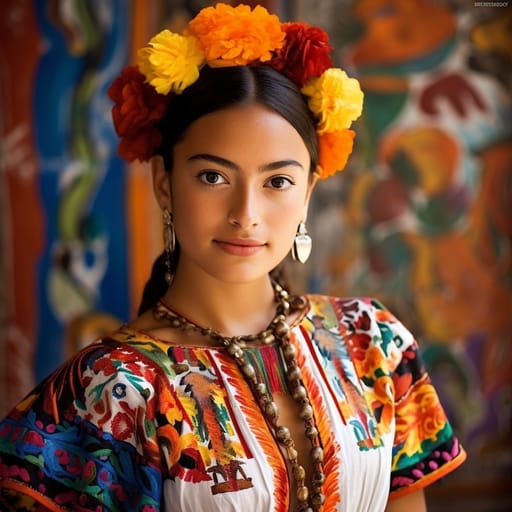
Otomi
same region (Central America)
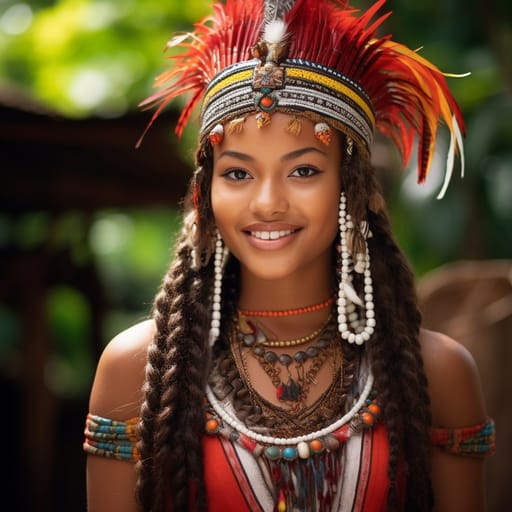
Kalinago
same region (Central America)
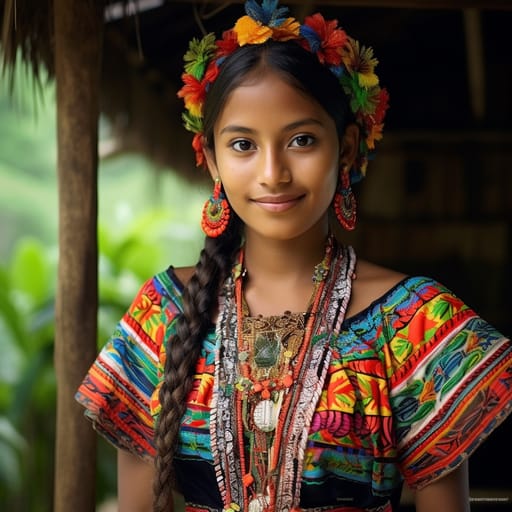
Miskito
same region (Central America)
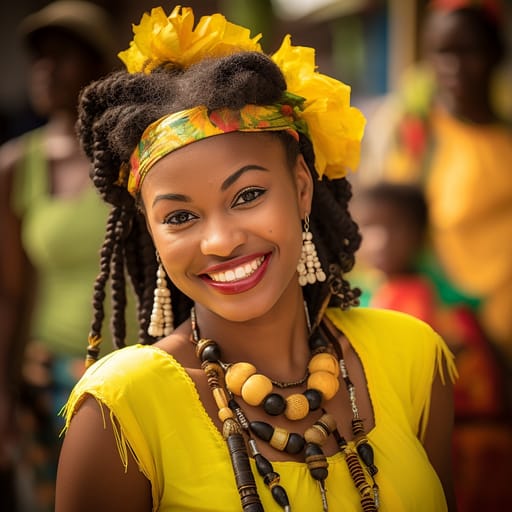
Garifuna
same region (Central America)
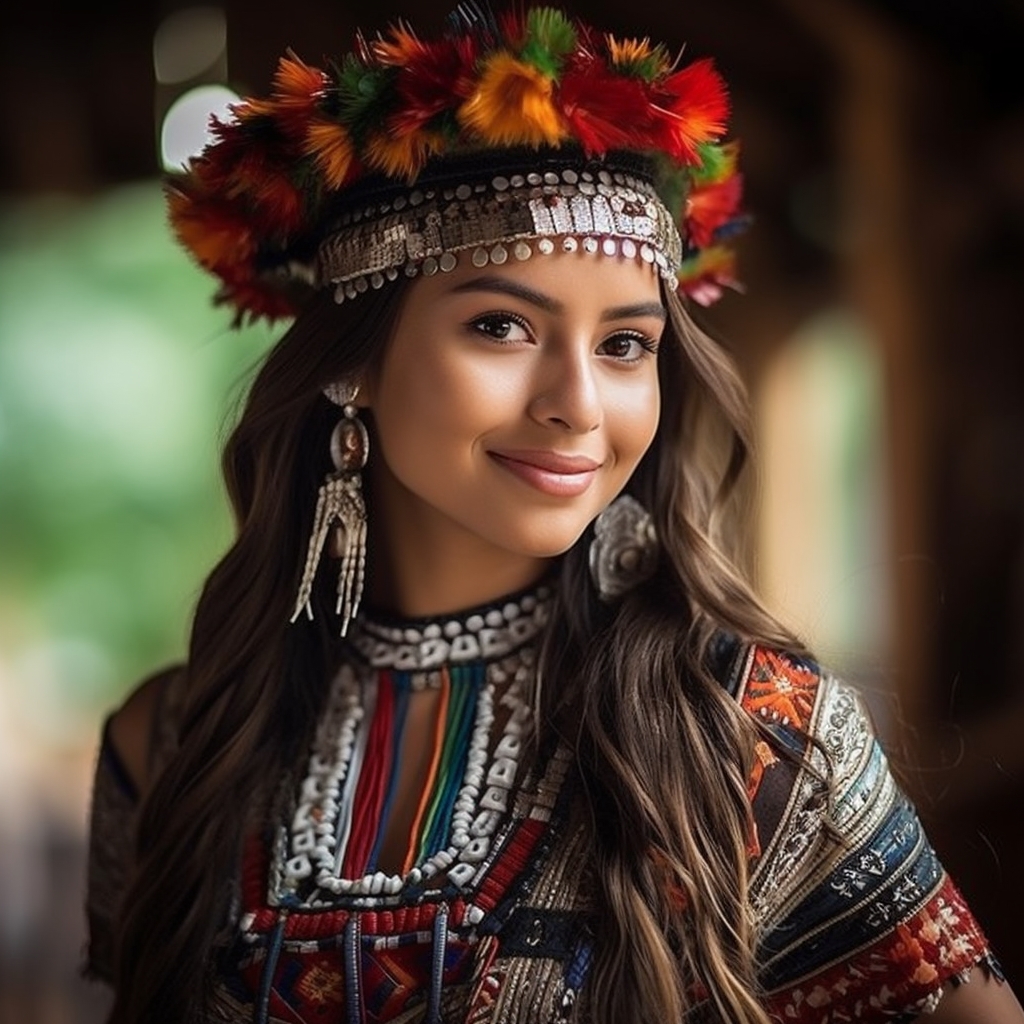
Purépecha
same region (Central America)
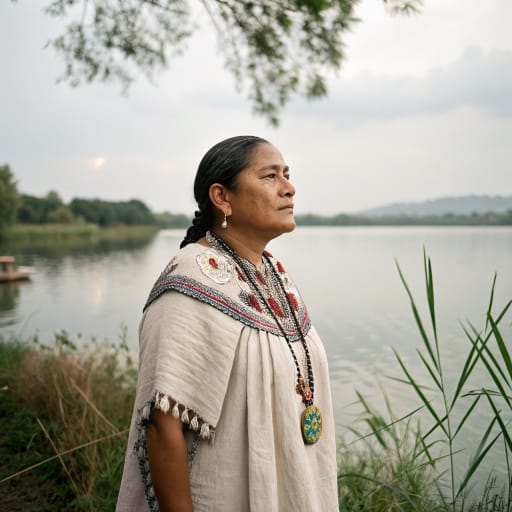
Mexica
same region (Central America)
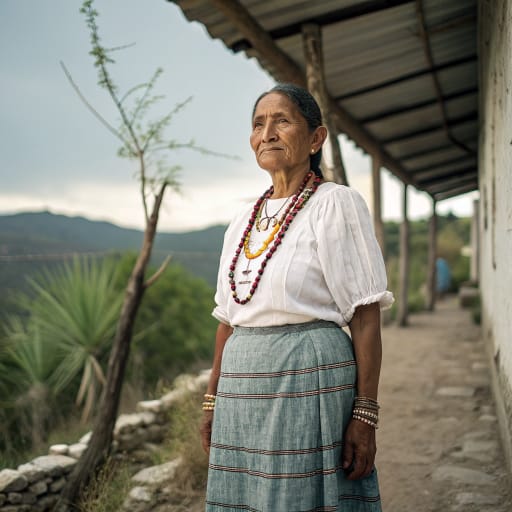
Acaxee
same region (Central America)
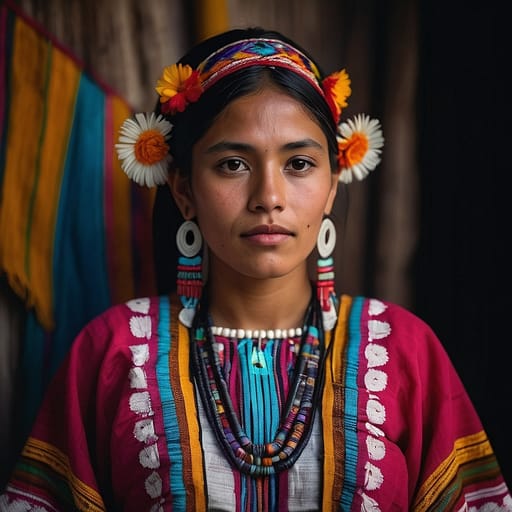
Other Maya Guatemalan
same region (Central America)
Typical Cabécar Phenotypes
Reference for AI generation: hair, eyes, skin, facial structure, build
Cabécar Body & Anatomy Reference
Per-feature anatomical profile for AI nude generation: Mesoamerican Indigenous / Mestizo phenotype
Cabécar Boobs & Breasts
The typical Cabécar bust is medium-to-large cup, full, moderate-to-high projection, in line with the wider Mesoamerican Indigenous / Mestizo pattern. Areolas usually fall in the 32-46mm range, with medium-brown to dark-brown areolar pigmentation against the tan-to-medium-brown skin tone. Compared with the smaller East Asian bust, Cabécar breasts sit forward and are generally full and projecting, classic Latina curvy bust profile. A faithful AI render of Cabécar tits keeps that shape and areola size.
Cabécar Ass & Hips
Butt shape among Cabécar women: medium-to-full, high projection, classic Latina curvy hip profile, over wide iliac crests, full gluteal-femoral fat deposition. This follows Mesoamerican Indigenous / Mestizo ancestry and looks quite unlike the slim narrow-hip East Asian profile. An accurate Cabécar ass in adult AI imagery keeps both the silhouette and the overall build (endomorph-to-mesomorph with strong hip-and-bust deposition) instead of a generic average.
Cabécar Vagina & Pussy
Vulvar anatomy among Cabécar women: medium-brown to dark-brown labial pigmentation, fuller labia minora. Pubic hair tends to be straight-to-wavy coarse dark texture, dense distribution, in the usual inverted-triangle pattern. Both follow Mesoamerican Indigenous / Mestizo pigmentation, which is why Cabécar pussy renders should not fall back on a pale, sparse Western template.
Cabécar Dicks & Penis
The Cabécar cock profile, from Mesoamerican Indigenous / Mestizo anthropometric data: regional mean ~13cm erect; moderate girth; medium-brown shaft pigmentation. Pubic hair has a straight-to-wavy coarse dark texture and forms the usual inverted-V pattern. Whether Cabécar men are circumcised follows religious and cultural practice rather than phenotype.
Cabécar Body, Curves & Build
Build and curves among Cabécar women follow the Mesoamerican Indigenous / Mestizo pattern: endomorph-to-mesomorph with strong hip-and-bust deposition, mean adult female BMI 26-29. Proportions matter as much as skin tone, so Cabécar figures should keep their regional height and limb ratios.
Cabécar Skin Tone & Hair Texture
The Cabécar skin range is tan to medium-brown (Fitzpatrick III-V), and hair tends to be straight-to-wavy 1A-2B, dense dark-brown to black. That combination marks the Mesoamerican Indigenous / Mestizo phenotype, and skin tone is the trait AI generators most often get wrong for Cabécar women.
Explore phenotype categories
Structured taxonomy with peer-reviewed scales · 22 anatomical categories
Erotic Poses & Sex Positions
From the pose catalog: 219 named positions with reference skeletons
Frequently asked questions about Cabécar people
Where is the Cabécar homeland?
The Cabécar homeland is Talamanca mountain range, Costa Rica, on the Caribbean and Pacific slopes in Limón, Cartago, San José and Puntarenas provinces in Central America.
What language do Cabécar people speak?
Cabécar people primarily speak Cabécar (Chibchan, closely related to Bribri); Spanish as a second language.
What religion do Cabécar people practice?
The predominant religion among Cabécar people is Traditional Talamancan belief centered on the creator Sibö and jawá healers, alongside Catholic and evangelical Protestant churches.






Make your own Cabécar images
Five a day, free, no credits to buy. The studio starts from this group's phenotype data, so you can set body type, pose and style and keep the traits accurate.
Start with Cabécar