No portrait yet
Sanni Erotic
Pontic Mountains of northeastern Anatolia, inland from Trapezus (Trabzon), in present-day Turkey
Unrecorded; often linked to Laz and Mingrelian (Kartvelian, Zan branch)
Local pagan worship; Christianity after they came under Byzantine rule in the 6th century
Identified by Strabo with the earlier Macrones and by Arrian with Xenophon's Drilae; often considered kin to the Laz among the Kartvelian peoples
About Sanni People
The Sanni were the mountain people the Black Sea coast could never quite manage. They held the steep, wooded ridges of the Pontic Mountains behind the Greek port of Trapezus, modern Trabzon in northeastern Turkey. From Strabo to Procopius they appear in the record the same way: independent, hard to reach, and a standing problem for anyone collecting taxes. Byzantine writers called them the Tzani and their country Tzanica.
Every description of them was written by outsiders. Strabo, working in the early first century, says the Sanni were the people once known as Macrones. If he is right, they were the tribe Xenophon's Ten Thousand met on their march to the sea: men carrying wicker shields and wearing tunics of hair. One Greek peltast, a former slave at Athens, recognized their language as that of his homeland, and the two sides sealed a truce by exchanging spears. About a century after Strabo, Arrian, then governor of Cappadocia, called the Sanni extremely warlike. He said they had no king, lived in strongholds and had fallen behind on the tribute owed to Rome. He preferred to identify them with Xenophon's Drilae.
The turning point came in the sixth century. Procopius describes the Tzani as living without rulers in country too poor to farm well, and supporting themselves by raiding their neighbors. In the late 520s the general Sittas brought them under Roman authority, by Procopius's account more through goodwill and persuasion than battle. They accepted Christianity and began marching with Roman armies. Justinian pushed roads, churches and forts into their valleys, the usual imperial recipe for turning a frontier people into provincials.
Their language was never written down. Scholars often link the name Tzani to Zan, the Kartvelian branch that includes Laz and Mingrelian, and to Chan, an old name for the Laz. That would make the Sanni close relatives of the Laz, who still live farther east along the same coast. The connection is plausible, not proven. No separate Sanni people survives today. The mountain communities behind the name were most likely absorbed over the following centuries into the Laz, Pontic Greek, Armenian and eventually Turkish-speaking populations of the region.
Related ethnic groups
Groups that share Sanni's homeland, region, language, or religious tradition. These are likely candidates for comparative phenotype reference.
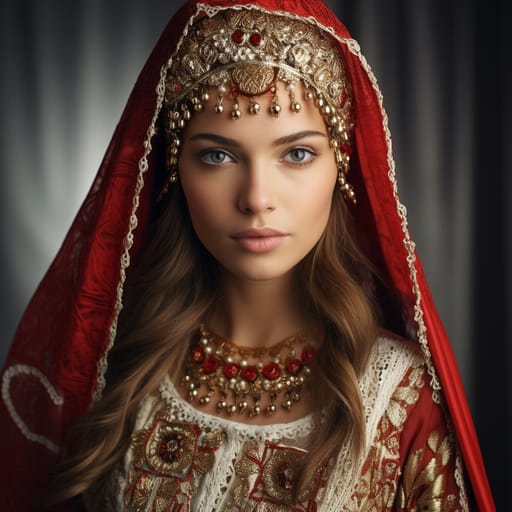
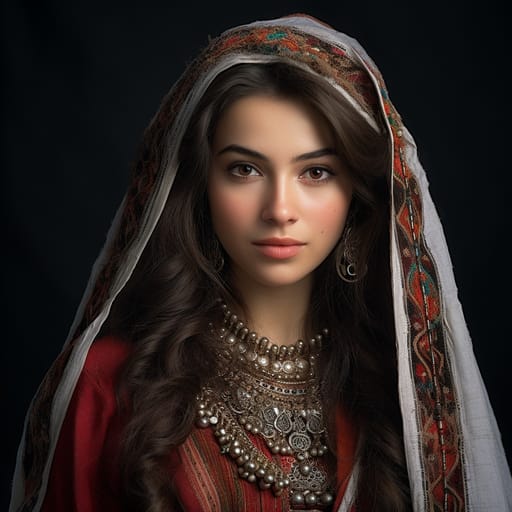
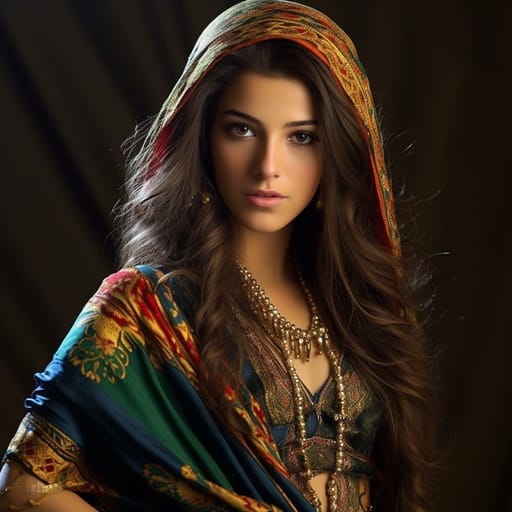
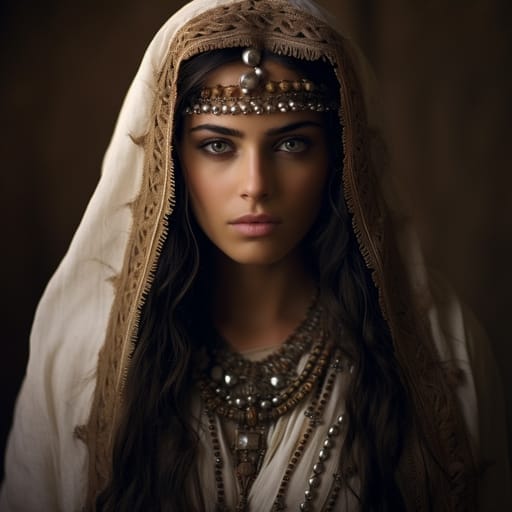
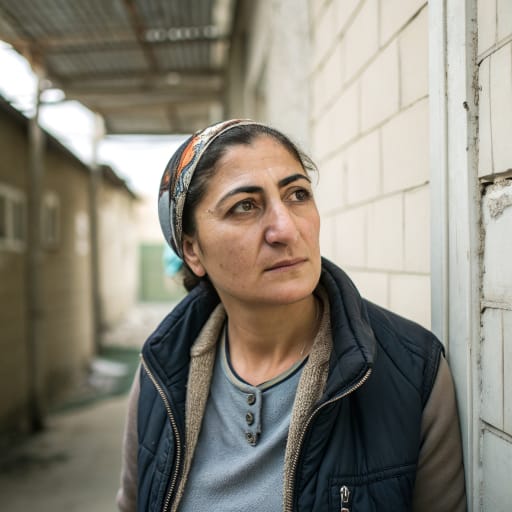
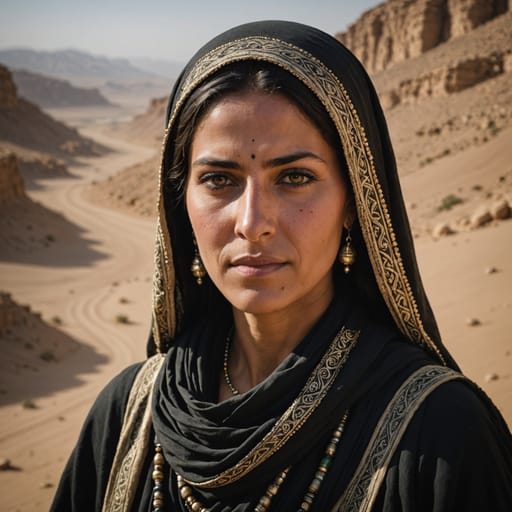
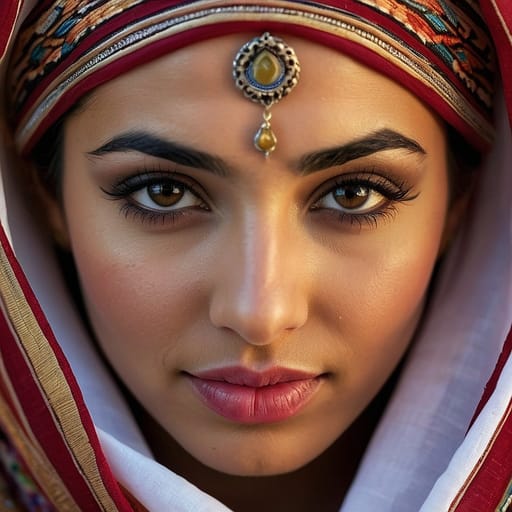
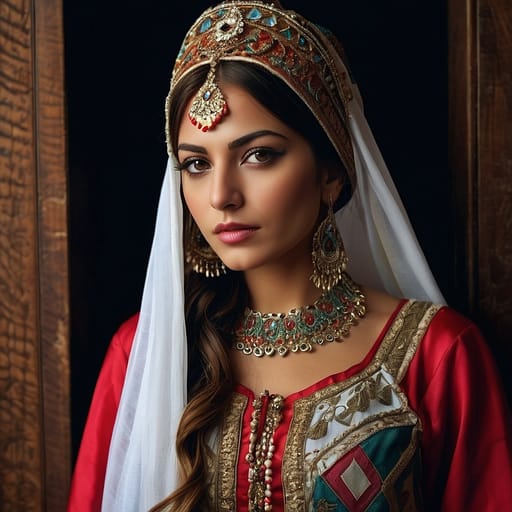
Typical Sanni Phenotypes
Reference for AI generation: hair, eyes, skin, facial structure, build
Sanni Body & Anatomy Reference
Per-feature anatomical profile for AI nude generation: Levantine / Mediterranean Middle Eastern phenotype
Sanni Boobs & Breasts
Bust reference for Sanni women: medium-to-large cup, full, moderate-to-high projection, which is typical of Levantine / Mediterranean Middle Eastern ancestry. Areolas measure about 32-46mm across, with medium-brown to dark-brown pigmentation. Body type (mesomorph with fuller hip-and-bust deposition) shapes the bust as well, so Sanni tits are usually full and soft, fuller projection than the North-African Berber norm. In AI imagery, keep the forward-set shape rather than drifting toward the smaller East Asian bust profile.
Sanni Ass & Hips
The Sanni ass is typically medium-to-full, moderate projection, broader hip profile, which sets it apart from the slim East Asian narrow-hip profile. Underneath, the pelvis shows medium-to-wide iliac crests, fuller gluteal-femoral deposition, part of the Levantine / Mediterranean Middle Eastern skeletal pattern. For Sanni butt pics and AI renders, match that silhouette and the overall build (mesomorph with fuller hip-and-bust deposition).
Sanni Vagina & Pussy
Sanni pussy and vulvar anatomy presents medium-brown to dark-brown labial pigmentation, fuller labia minora, consistent with the Levantine / Mediterranean Middle Eastern phenotype's pigmentation pattern. Sanni pubic hair is typically wavy-to-coiled medium-coarse dark texture, dense distribution, in the inverted-triangle pattern. For anatomically accurate Sanni pussy renders the labial coloration should match the surrounding olive to medium-brown skin tone with a continuous gradient, and the hair should keep its wavy-to-coiled medium-coarse dark texture.
Sanni Dicks & Penis
Sanni dicks follow the Levantine / Mediterranean Middle Eastern reference data: regional mean ~14cm erect; moderate-to-above-average girth; medium-brown shaft pigmentation. Shaft color should track the olive to medium-brown skin tone with a smooth change toward the glans, and Sanni pubic hair keeps its wavy-to-coiled medium-coarse dark texture.
Sanni Body, Curves & Build
Sanni body type and overall build presents as mesomorph with fuller hip-and-bust deposition, with mean adult female BMI 25-28: the characteristic Levantine / Mediterranean Middle Eastern habitus. Sanni curves and proportions should keep the regional skeletal frame (height, shoulder-to-hip ratio, limb proportions) rather than a generic mesomorph default.
Sanni Skin Tone & Hair Texture
Sanni skin sits in the olive to medium-brown (Fitzpatrick III-V) band. Hair is typically wavy-to-curly 2B-3B, predominantly dark-brown to black, in keeping with the Levantine / Mediterranean Middle Eastern phenotype. In nude renders the skin should stay one even tone from face to body, and body, pubic and head hair should match.
Explore phenotype categories
Structured taxonomy with peer-reviewed scales · 22 anatomical categories
Erotic Poses & Sex Positions
From the pose catalog: 219 named positions with reference skeletons
Frequently asked questions about Sanni people
Where is the Sanni homeland?
The Sanni homeland is Pontic Mountains of northeastern Anatolia, inland from Trapezus (Trabzon), in present-day Turkey in Western Asia.
What language do Sanni people speak?
Sanni people primarily speak Unrecorded; often linked to Laz and Mingrelian (Kartvelian, Zan branch).
What religion do Sanni people practice?
The predominant religion among Sanni people is Local pagan worship; Christianity after they came under Byzantine rule in the 6th century.






Make your own Sanni images
Five a day, free, no credits to buy. The studio starts from this group's phenotype data, so you can set body type, pose and style and keep the traits accurate.
Start with Sanni