Help us get this right
Does this portrait look right for Guaymí?
Nobody has judged this one yet. You would be the first.
Guaymí Erotic
Western Panama, chiefly the Comarca Ngäbe-Buglé across Chiriquí, Veraguas and Bocas del Toro, with five smaller territories in southwestern Costa Rica
Ngäbere (Chibchan); Spanish widely spoken as a second language
Catholic and evangelical Protestant majority; sizable Baha'i community; Mama Tata syncretic movement; surviving traditional healing and belief
Chibchan-speaking peoples of the Isthmus; closely associated with the Buglé, who share the comarca; comarca regions of Ño Kribo, Nedrini and Kädriri; Costa Rican communities of Coto Brus, Abrojos Montezuma, Conte Burica, Altos de San Antonio and Guaymí de
About Guaymí People
The people outsiders have long called Guaymí call themselves Ngäbe, which means simply people, and they are the largest Indigenous nation in Panama by a wide margin. Roughly a quarter of a million live in the mountains and Caribbean lowlands of the west, most of them inside the Comarca Ngäbe-Buglé, a semi-autonomous territory carved out of Chiriquí, Veraguas and Bocas del Toro in 1997 after decades of pressure. A smaller population lives across the border in southwestern Costa Rica, in five territories around Coto Brus and the Burica and Osa peninsulas, plus a floating workforce that follows the coffee harvest every year. Their language, Ngäbere, belongs to the Chibchan family, which links them to the Buglé who share the comarca, to the Naso and Bribri to the northwest, and to the Guna to the east, though it is not mutually intelligible with any of them, and the Pacific and Caribbean dialects differ noticeably.
The first thing a visitor notices is the nagua: a long, loose dress in one strong color, cut with bands of triangular appliqué at the shoulders, sleeves and hem, worn daily by most Ngäbe women whether they are in a mountain hamlet or a bus terminal in David. Men gave up equivalent dress generations ago, though the wide beaded collars called chaquiras and the pita-fiber shoulder bags called kra or chácara remain in use and have become a cash craft. The Ngäbe have a long record of not being governed. The cacique Urracá held off Spanish forces in the 1520s and now appears on Panama's one-centésimo coin, and the colonial state never really reached into the Cordillera. In the twentieth century that stubbornness turned political: a fight against the Cerro Colorado copper project in the 1970s and 1980s, highway blockades in 2012 that left two protesters dead and forced a ban on mining inside the comarca, and a long, unsuccessful resistance to the Barro Blanco dam on the Tabasará River. Religion is layered. Most Ngäbe are Catholic or evangelical, the Baha'i faith has an unusually large following here, and the Mama Tata movement, born in 1962 from a young woman's vision of the Virgin, still preaches sobriety and distance from Latino society. It condemned the balsería, the old festival in which men from rival communities hurl balsa poles at each other's legs after days of fermented corn drink. The balsería survives regardless. So does the comarca's rank as the poorest region in Panama, which shapes Ngäbe life as much as anything: seasonal labor on banana plantations and coffee farms, remittances, and a steady drift toward the towns.
Related ethnic groups
Groups that share Guaymí's homeland, region, language, or religious tradition. These are likely candidates for comparative phenotype reference.
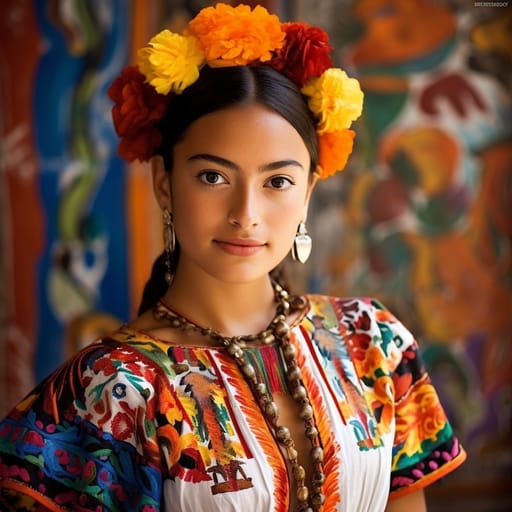
Otomi
same region (Central America)
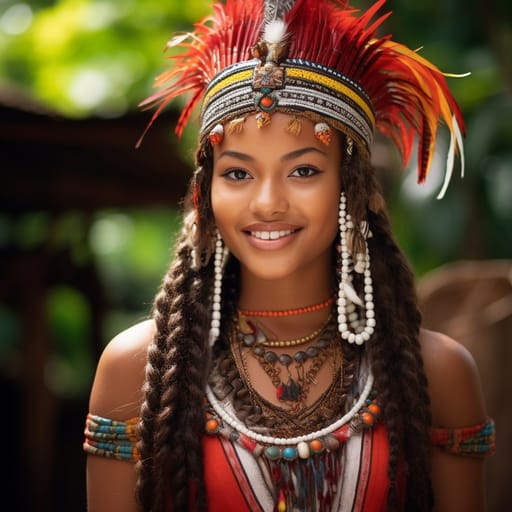
Kalinago
same region (Central America)
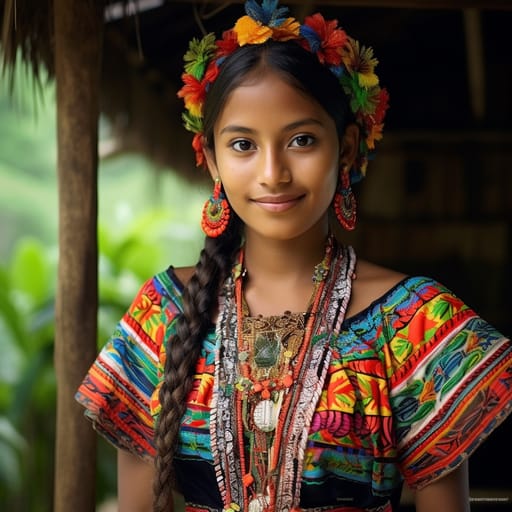
Miskito
same region (Central America)
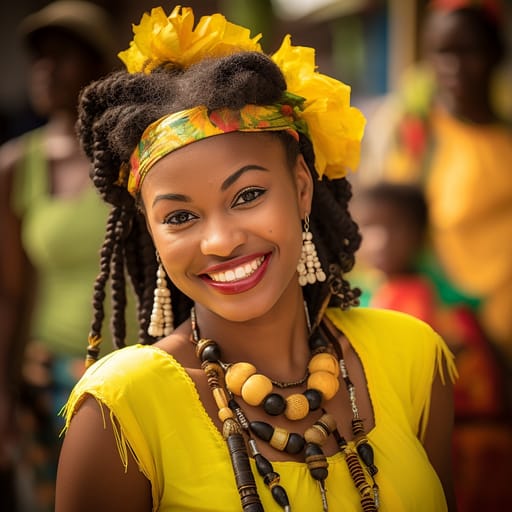
Garifuna
same region (Central America)
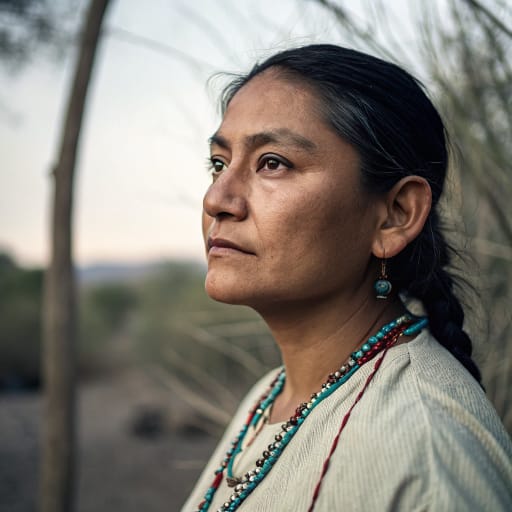
Yaqui
same region (Central America)
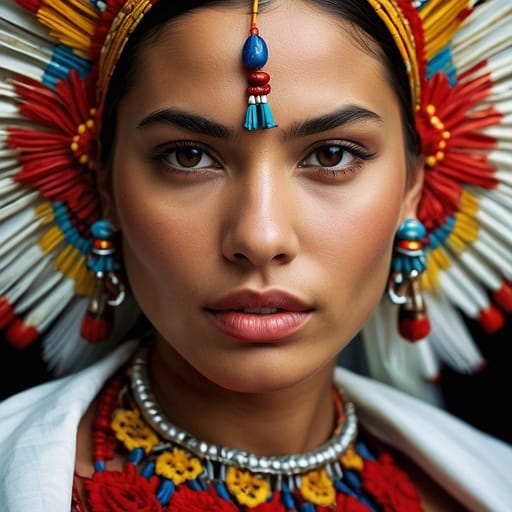
White Nicaraguan
same region (Central America)
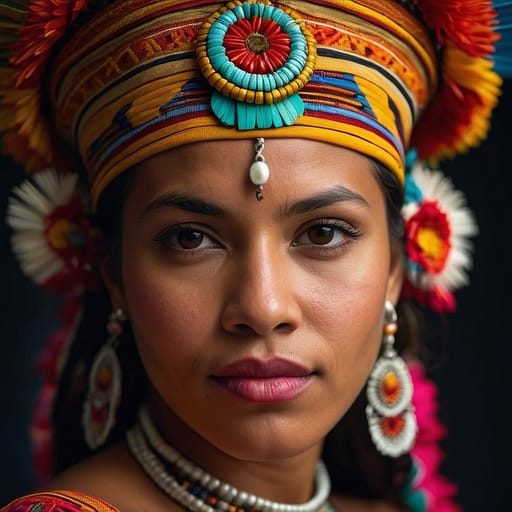
Mestizo Belizean
same region (Central America)
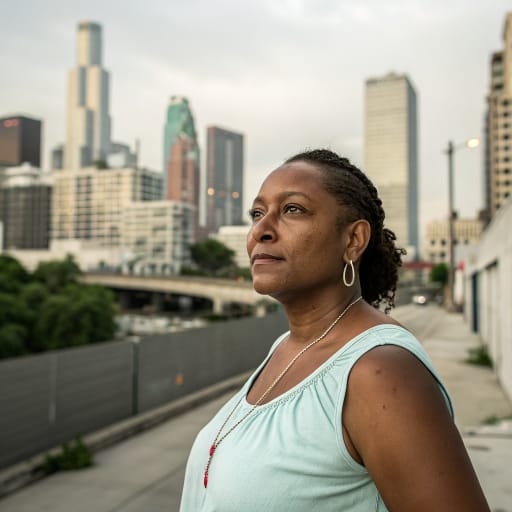
Belizean Creoles
same region (Central America)
Typical Guaymí Phenotypes
Reference for AI generation: hair, eyes, skin, facial structure, build
Guaymí Body & Anatomy Reference
Anatomy by feature, Mesoamerican Indigenous / Mestizo phenotype
Guaymí Boobs & Breasts
Guaymí boobs follow the Mesoamerican Indigenous / Mestizo profile: medium-to-large cup, full, moderate-to-high projection. Areolar diameter is usually 32-46mm, and the coloring is medium-brown to dark-brown areolar pigmentation against the tan-to-medium-brown skin tone. Breast shape tracks body composition (endomorph-to-mesomorph with strong hip-and-bust deposition, mean adult female BMI 26-29), so Guaymí breasts tend to be full and projecting, classic Latina curvy bust profile. Expect a forward-set shape, not the smaller East Asian bust.
Guaymí Ass & Hips
Guaymí ass and hip morphology presents as medium-to-full, high projection, classic Latina curvy hip profile, distinctly different from the slim narrow-hip East Asian profile. The Guaymí pelvic profile shows wide iliac crests, full gluteal-femoral fat deposition, anchored in the Mesoamerican Indigenous / Mestizo skeletal pattern. Guaymí butt shots in adult AI imagery should render the medium-to-full, high projection, classic Latina curvy hip profile silhouette with the overall build (endomorph-to-mesomorph with strong hip-and-bust deposition) and the fat distribution typical of the Mesoamerican Indigenous / Mestizo phenotype.
Guaymí Vagina & Pussy
Guaymí pussy anatomy typically shows medium-brown to dark-brown labial pigmentation, fuller labia minora. Pubic hair is usually straight-to-wavy coarse dark texture, dense distribution. In AI-generated Guaymí nudes, labial color should blend into the tan to medium-brown skin with a gradual transition, and the hair should keep its straight-to-wavy coarse dark texture.
Guaymí Dicks & Penis
Penis reference for Guaymí men: regional mean ~13cm erect, moderate girth. Coloring: medium-brown shaft pigmentation. An accurate Guaymí cock in AI imagery matches the surrounding tan to medium-brown skin rather than a generic porn default. Circumcision depends on religion and custom, not ancestry.
Guaymí Body, Curves & Build
The Guaymí figure is generally endomorph-to-mesomorph with strong hip-and-bust deposition, with mean adult female BMI 26-29, characteristic of Mesoamerican Indigenous / Mestizo ancestry. AI image tools tend to flatten regional body types into a few stock shapes; here the Guaymí build is kept as its own reference.
Guaymí Skin Tone & Hair Texture
Skin: tan to medium-brown (Fitzpatrick III-V). Hair: straight-to-wavy 1A-2B, dense dark-brown to black. Both are typical of Mesoamerican Indigenous / Mestizo ancestry. The most common mistake in AI nudes of Guaymí women is a body rendered lighter than the face.
Explore phenotype categories
Structured taxonomy with peer-reviewed scales · 22 anatomical categories
Erotic Poses & Sex Positions
From the pose catalog: 219 named positions with reference skeletons
Frequently asked questions about Guaymí people
Where is the Guaymí homeland?
The Guaymí homeland is Western Panama, chiefly the Comarca Ngäbe-Buglé across Chiriquí, Veraguas and Bocas del Toro, with five smaller territories in southwestern Costa Rica in Central America.
What language do Guaymí people speak?
Guaymí people primarily speak Ngäbere (Chibchan); Spanish widely spoken as a second language.
What religion do Guaymí people practice?
The predominant religion among Guaymí people is Catholic and evangelical Protestant majority; sizable Baha'i community; Mama Tata syncretic movement; surviving traditional healing and belief.






Make your own Guaymí images
Five a day, free, no credits to buy. The studio starts from this group's phenotype data, so you can set body type, pose and style and keep the traits accurate.
Start with Guaymí