Help us get this right
Does this portrait look right for Chatino?
Nobody has judged this one yet. You would be the first.
Chatino Erotic
Pacific side of the Sierra Madre del Sur in southern Oaxaca, Mexico, around Santa Catarina Juquila, Yaitepec, Quiahije, Nopala, Tataltepec and Zenzontepec; migrant communities elsewhere in Mexico and in the United States
Chatino (Oto-Manguean, Zapotecan branch), with Zenzontepec, Tataltepec and Eastern varieties; Spanish widely spoken
Roman Catholic, blended with Indigenous ritual at sacred mountains, springs and caves
Zenzontepec, Tataltepec and Eastern Chatino communities; related to the Zapotec within the Zapotecan branch of Oto-Manguean
About Chatino People
The Chatino are known first by their language and by the steep coffee country of southern Oaxaca, where they were already settled when the Spanish arrived. Their towns sit on the Pacific side of the Sierra Madre del Sur. They spread from the highlands around Santa Catarina Juquila down toward the coast, taking in Santiago Yaitepec, San Juan Quiahije, Panixtlahuaca, Nopala, Tataltepec and Zenzontepec. In Quiahije people call themselves neq-a tnya-j. Identity tends to rest with the home town first and the wider Chatino name second.
The language reflects that same town-by-town character. Chatino belongs to the Zapotecan branch of the Oto-Manguean family. It is a close relative of Zapotec but a separate language, and it is usually divided into at least three varieties: Zenzontepec, Tataltepec and a larger eastern group. Speakers from towns far apart can have real trouble understanding each other. The sound system is famously hard, with tone carrying much of the meaning. Some of the most careful records of it come from Chatino linguists who grew up in these communities. Spanish is widely spoken, and keeping Chatino alive among children is a pressing concern.
Religious life is Catholic in form but older in much of its thinking. Juquila keeps a small statue of the Virgin that draws pilgrims from all over Mexico, especially around her feast on December 8. At a nearby hillside called El Pedimento, visitors shape tiny clay houses, animals and vehicles to show what they are praying for. In the villages, ritual also centers on mountains, springs and caves treated as places of power, and on offerings tied to the farming year. Households are also expected to take turns filling civic and religious posts in service to the town.
Coffee farming took hold from the late nineteenth century. It brought cash, mestizo buyers and landowners, and fights over land. In some towns it also brought long cycles of feuding, which anthropologists recorded in grim detail. Today many Chatino families live on a mix of coffee, small maize fields and money sent home by relatives working on the Oaxaca coast, in Mexico City or in the United States.
Related ethnic groups
Groups that share Chatino's homeland, region, language, or religious tradition. These are likely candidates for comparative phenotype reference.
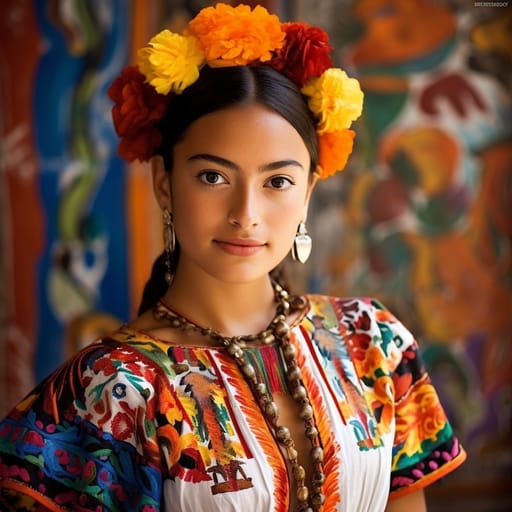
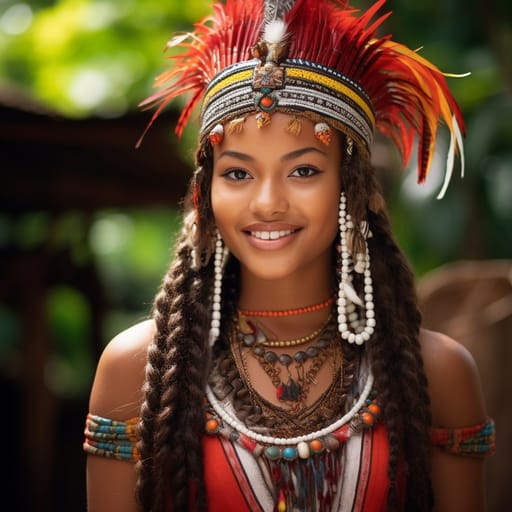
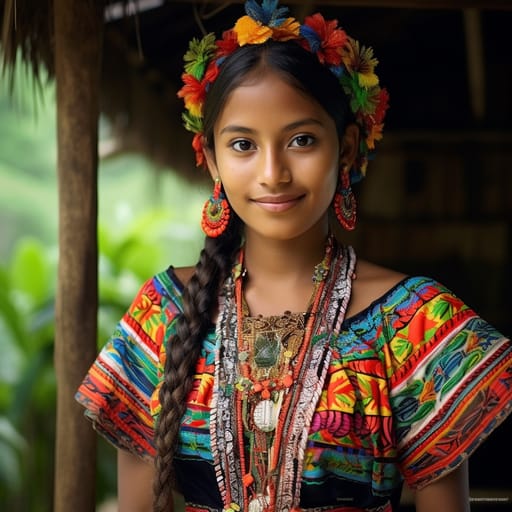
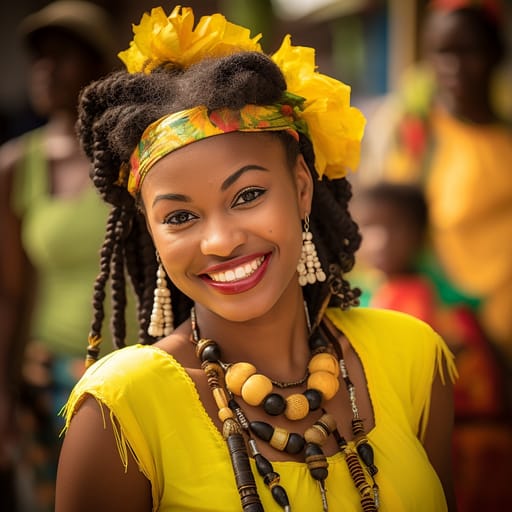
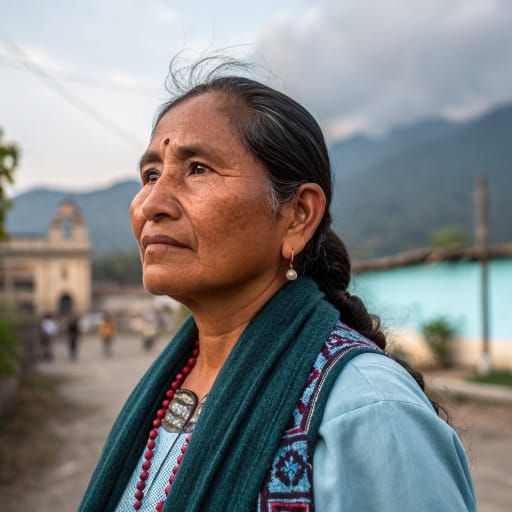
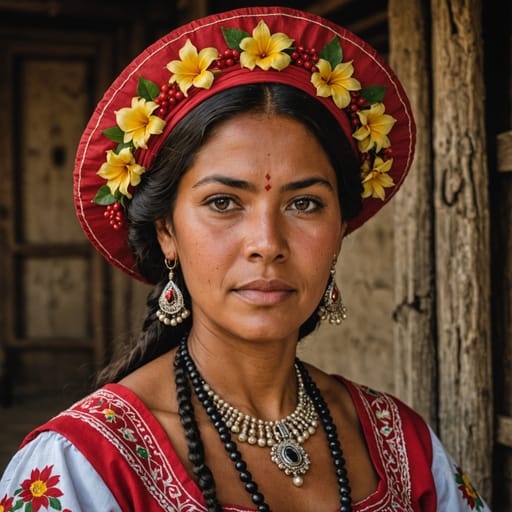
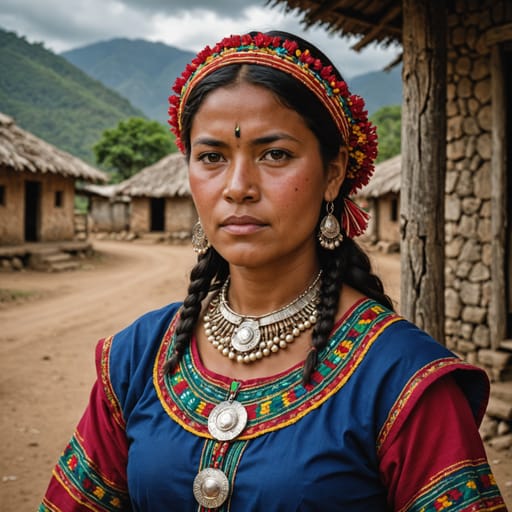
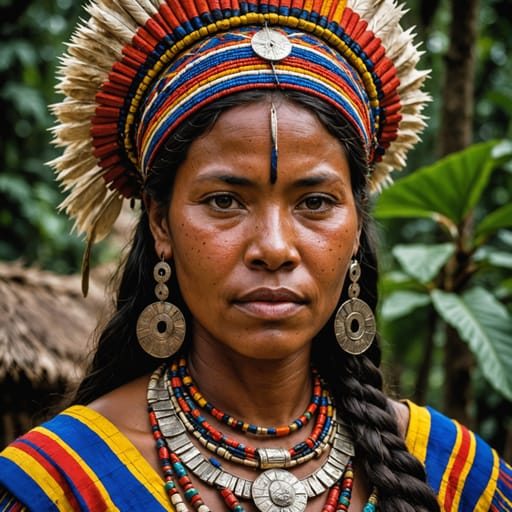
Typical Chatino Phenotypes
Reference for AI generation: hair, eyes, skin, facial structure, build
Chatino Body & Anatomy Reference
Anatomy by feature, Mesoamerican Indigenous / Mestizo phenotype
Chatino Boobs & Breasts
Chatino boobs follow the Mesoamerican Indigenous / Mestizo profile: medium-to-large cup, full, moderate-to-high projection. Areolar diameter is usually 32-46mm, and the coloring is medium-brown to dark-brown areolar pigmentation against the tan-to-medium-brown skin tone. Breast shape tracks body composition (endomorph-to-mesomorph with strong hip-and-bust deposition, mean adult female BMI 26-29), so Chatino breasts tend to be full and projecting, classic Latina curvy bust profile. Expect a forward-set shape, not the smaller East Asian bust.
Chatino Ass & Hips
Chatino ass and hip morphology presents as medium-to-full, high projection, classic Latina curvy hip profile, distinctly different from the slim narrow-hip East Asian profile. The Chatino pelvic profile shows wide iliac crests, full gluteal-femoral fat deposition, anchored in the Mesoamerican Indigenous / Mestizo skeletal pattern. Chatino butt shots in adult AI imagery should render the medium-to-full, high projection, classic Latina curvy hip profile silhouette with the overall build (endomorph-to-mesomorph with strong hip-and-bust deposition) and the fat distribution typical of the Mesoamerican Indigenous / Mestizo phenotype.
Chatino Vagina & Pussy
Chatino pussy anatomy typically shows medium-brown to dark-brown labial pigmentation, fuller labia minora. Pubic hair is usually straight-to-wavy coarse dark texture, dense distribution. In AI-generated Chatino nudes, labial color should blend into the tan to medium-brown skin with a gradual transition, and the hair should keep its straight-to-wavy coarse dark texture.
Chatino Dicks & Penis
Penis reference for Chatino men: regional mean ~13cm erect, moderate girth. Coloring: medium-brown shaft pigmentation. An accurate Chatino cock in AI imagery matches the surrounding tan to medium-brown skin rather than a generic porn default. Circumcision depends on religion and custom, not ancestry.
Chatino Body, Curves & Build
The Chatino figure is generally endomorph-to-mesomorph with strong hip-and-bust deposition, with mean adult female BMI 26-29, characteristic of Mesoamerican Indigenous / Mestizo ancestry. AI image tools tend to flatten regional body types into a few stock shapes; here the Chatino build is kept as its own reference.
Chatino Skin Tone & Hair Texture
Skin: tan to medium-brown (Fitzpatrick III-V). Hair: straight-to-wavy 1A-2B, dense dark-brown to black. Both are typical of Mesoamerican Indigenous / Mestizo ancestry. The most common mistake in AI nudes of Chatino women is a body rendered lighter than the face.
Explore phenotype categories
Structured taxonomy with peer-reviewed scales · 22 anatomical categories
Erotic Poses & Sex Positions
From the pose catalog: 219 named positions with reference skeletons
Frequently asked questions about Chatino people
Where is the Chatino homeland?
The Chatino homeland is Pacific side of the Sierra Madre del Sur in southern Oaxaca, Mexico, around Santa Catarina Juquila, Yaitepec, Quiahije, Nopala, Tataltepec and Zenzontepec; migrant communities elsewhere in Mexico and in the United States in Central America.
What language do Chatino people speak?
Chatino people primarily speak Chatino (Oto-Manguean, Zapotecan branch), with Zenzontepec, Tataltepec and Eastern varieties; Spanish widely spoken.
What religion do Chatino people practice?
The predominant religion among Chatino people is Roman Catholic, blended with Indigenous ritual at sacred mountains, springs and caves.






Make your own Chatino images
Five a day, free, no credits to buy. The studio starts from this group's phenotype data, so you can set body type, pose and style and keep the traits accurate.
Start with Chatino