No portrait yet
Zargari Erotic
Zargar village and nearby settlements in Abyek County, Qazvin Province, northwestern Iran; community tradition traces their ancestors to Rumelia in the Ottoman Balkans.
Zargari Romani (Indo-European, Indo-Aryan, Balkan Romani group); most also speak Azerbaijani (Turkic) and Persian (Indo-European, Iranian).
Shia Islam
A Romani group linguistically tied to the Balkan Romani of southeastern Europe; distinct from the Dom and other peripatetic groups of Iran known as Kowli or Luli.
About Zargari People
The Zargari are a small Romani community of northwestern Iran, and what marks them out is the language they kept. In and around the village of Zargar, in Abyek County of Qazvin Province, families speak a Romani dialect that belongs with the Balkan varieties of southeastern Europe. That sets them apart from the other peripatetic groups Iranians lump together as Kowli or Luli, whose speech is Persian based or tied to Domari. It also makes the Zargari a rare case in Romani history: a people whose ancestors traveled west out of India, spent generations in Byzantine and Ottoman lands, and then came back east.
Community tradition says the founders were brought from Rumelia, the Ottoman Balkans, a few centuries ago. The name points to the trade they are said to have carried: zargar is Persian for goldsmith. Written records are scarce and the story shifts in the telling, so the language remains the best evidence. It carries Greek loanwords of the kind European Romani dialects picked up in Byzantine territory, layered over with Azerbaijani Turkic and Persian. Linguists only took notice in 1970, when Gernot Windfuhr published a first report on what he called European Gypsy in Iran, and Iranian scholars have documented the dialect further since.
Day to day, the Zargari live much like their neighbors. They are settled, not itinerant, and work as farmers and herders on the Qazvin plain. They are Shia Muslims, and the religious calendar of the village is that of the surrounding countryside. Most adults move between three languages: Romani at home, Azerbaijani Turkic with nearby villages, Persian for school, paperwork and the city. That arrangement is tilting. The dialect has no written form and no place in schooling, younger people lean toward Persian, and researchers class it as endangered.
One point of confusion is worth clearing up. Persian speakers also use zargari for a playful secret speech made by slipping extra syllables into ordinary words, a game said to go back to goldsmiths' shop talk. It shares a name with the village dialect and nothing else. The Zargari language is a real, inherited Romani tongue, spoken by a small and shrinking number of people.
Related ethnic groups
Groups that share Zargari's homeland, region, language, or religious tradition. These are likely candidates for comparative phenotype reference.
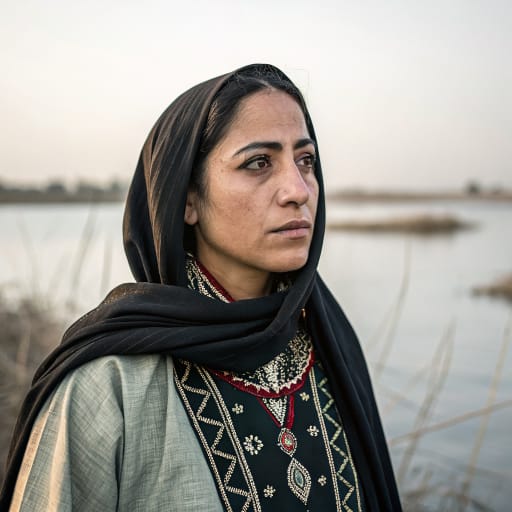
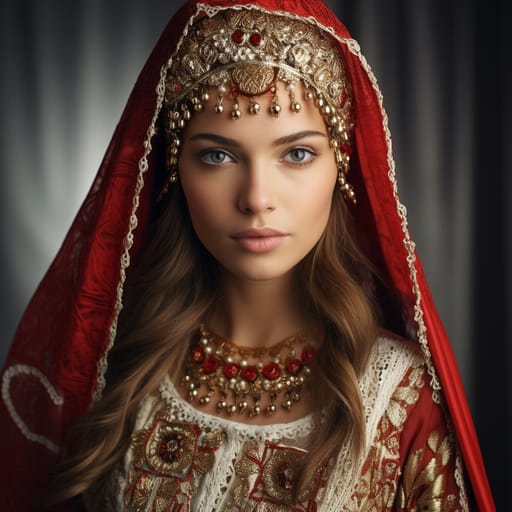
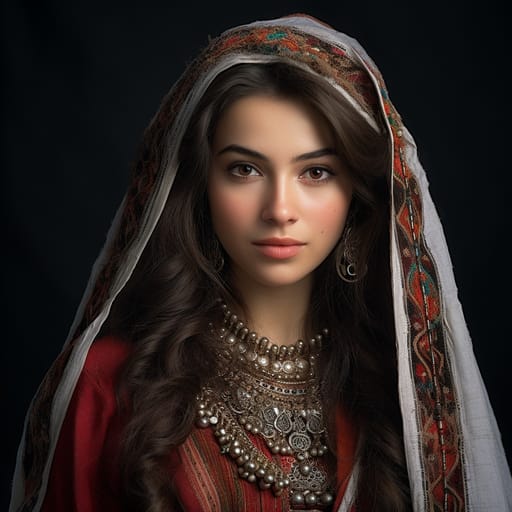
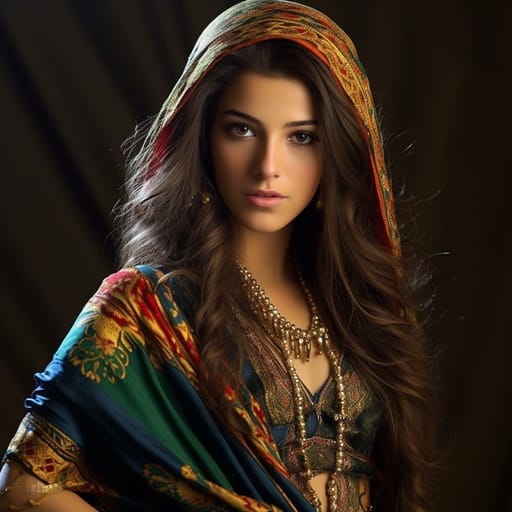
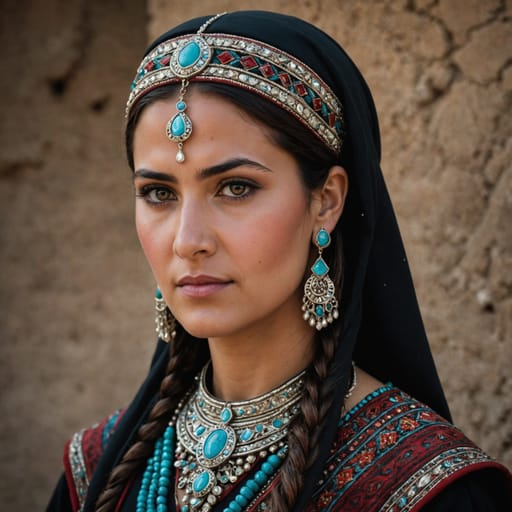
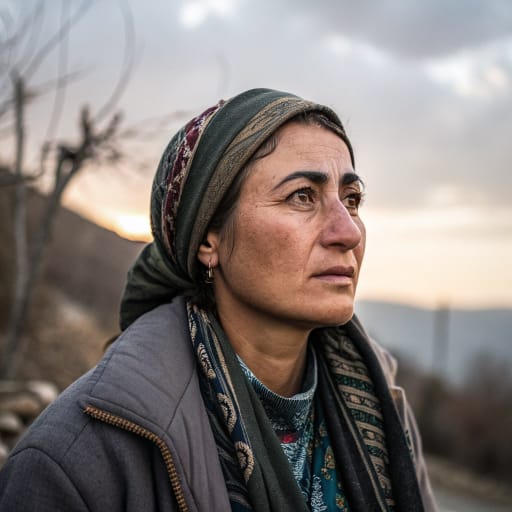
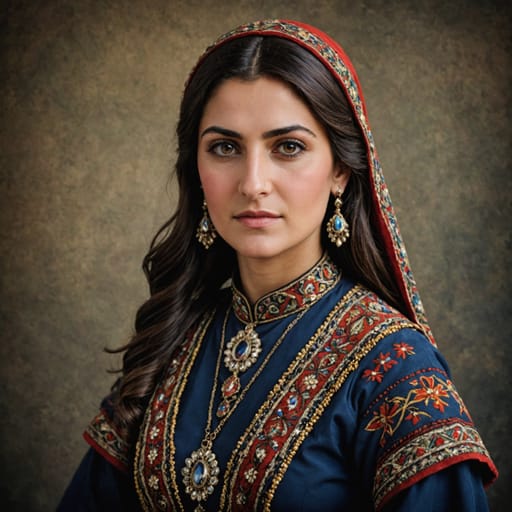
Typical Zargari Phenotypes
Reference for AI generation: hair, eyes, skin, facial structure, build
Explore phenotype categories
Structured taxonomy with peer-reviewed scales · 22 anatomical categories
Erotic Poses & Sex Positions
From the pose catalog: 219 named positions with reference skeletons
Frequently asked questions about Zargari people
Where is the Zargari homeland?
The Zargari homeland is Zargar village and nearby settlements in Abyek County, Qazvin Province, northwestern Iran; community tradition traces their ancestors to Rumelia in the Ottoman Balkans. in Western Asia.
What language do Zargari people speak?
Zargari people primarily speak Zargari Romani (Indo-European, Indo-Aryan, Balkan Romani group); most also speak Azerbaijani (Turkic) and Persian (Indo-European, Iranian)..
What religion do Zargari people practice?
The predominant religion among Zargari people is Shia Islam.






Make your own Zargari images
Five a day, free, no credits to buy. The studio starts from this group's phenotype data, so you can set body type, pose and style and keep the traits accurate.
Start with Zargari