No portrait yet
Shiriana Erotic
Demini and Araçá rivers, north-bank tributaries of the middle Rio Negro, Amazonas state, northern Brazil
Shiriana, also called Bahuana or Xiriâna (Arawakan), now extinct; descendants speak Portuguese
Indigenous Amazonian beliefs, poorly documented; Catholic influence through the Rio Negro missions
Arawakan peoples of the middle Rio Negro; language grouped by Ramirez with Manao and Cariaí. Unrelated to the Yanomami-speaking groups also called Xiriana.
About Shiriana People
The Shiriana, also recorded as Bahuana, were an Arawakan-speaking people of the Demini and Araçá rivers, north-bank tributaries of the middle Rio Negro in Brazil's Amazonas state. They held on as a recognizable community into the twentieth century. Their language is now extinct, and whatever descendants remain belong to the mixed, Portuguese-speaking river population of the Barcelos region. They were river people in a country of blackwater streams, flooded forest and sandy soils. By every indication they lived much as their Arawakan neighbors did: manioc gardens, fishing, travel by canoe.
Their stretch of Amazonia was hit early and hard. From the early 1700s Portuguese slaving expeditions worked the Rio Negro, and the Manao resistance under Ajuricaba was crushed in the 1720s. Carmelite missions gathered survivors into river towns, where smallpox and measles did the rest. Within a few generations the large Arawakan nations of the main river were gone. Others had dissolved into a mission population speaking Nheengatu, the Tupi-based trade language, and later Portuguese. Groups living up the tributaries lasted longer, and the Shiriana were among them. The rubber and piassava trades, both run on debt, eventually reached those rivers too. Today the upper Demini is Yanomami land, settled by a people who expanded south out of the highlands as the older river populations thinned.
What survives of the Shiriana is mostly their language, and only just. Around 1990 the linguist Henri Ramirez worked with the last elderly speakers and published a description in 1992, still the main record there is. It shows a classic Arawakan active-stative pattern: the subject of a verb is marked one way when it acts and another when it simply is or undergoes something. Ramirez grouped the language with Manao, the speech of the people for whom the city of Manaus is named, and with Cariaí. Both vanished much earlier and left little more than wordlists. If that grouping holds, the Shiriana material is the best surviving window onto a whole lost branch of the family.
One caution for anyone reading further: the name is a trap. Shiriana, Xiriana and similar spellings were also pinned by travelers and officials on unrelated Yanomami-speaking groups farther north, toward the Uraricaá and Mucajaí rivers. The Arawakan Shiriana of the Demini were a different people with a different language, which is one reason linguists tend to prefer the name Bahuana.
Related ethnic groups
Groups that share Shiriana's homeland, region, language, or religious tradition. These are likely candidates for comparative phenotype reference.
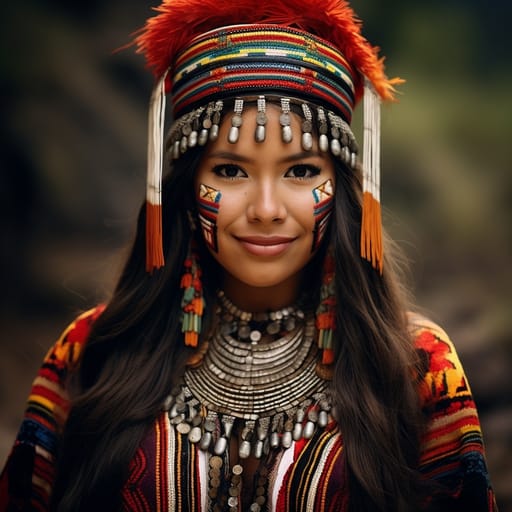
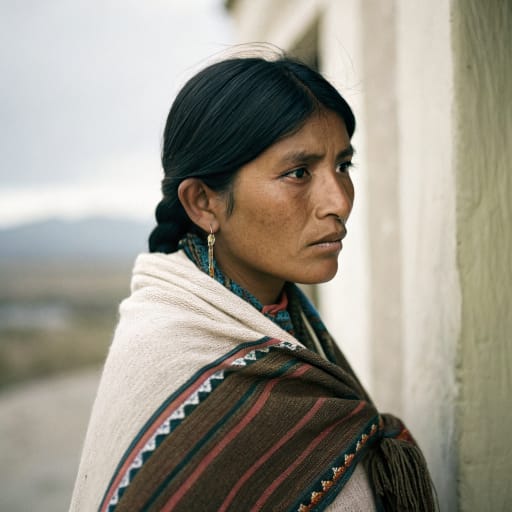
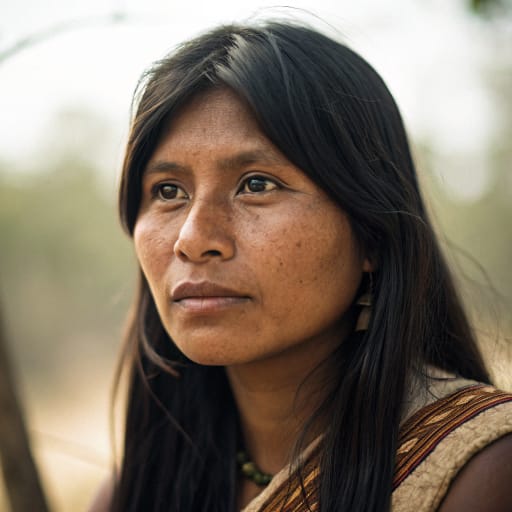
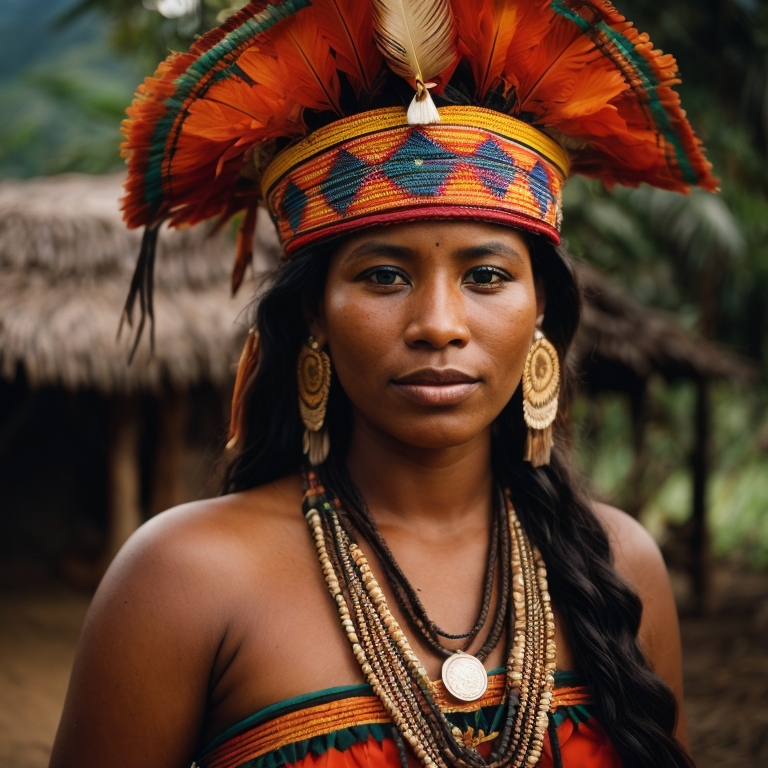
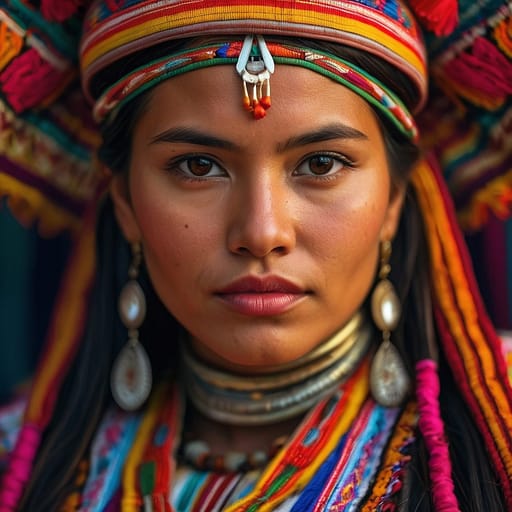
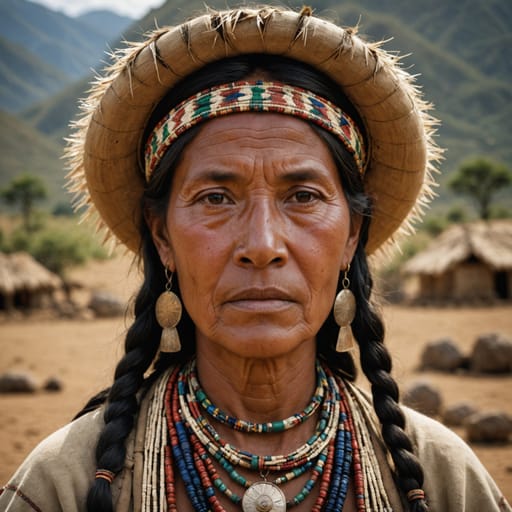
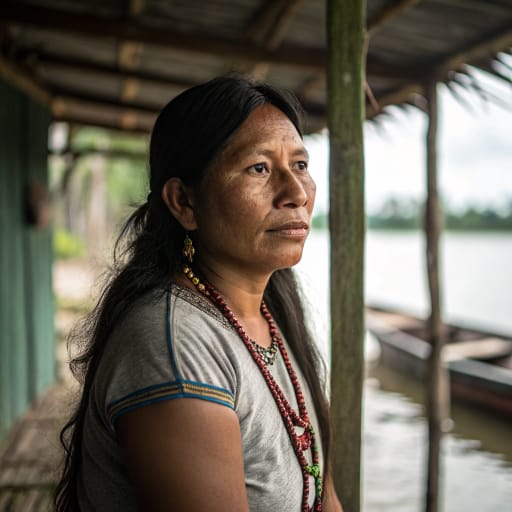
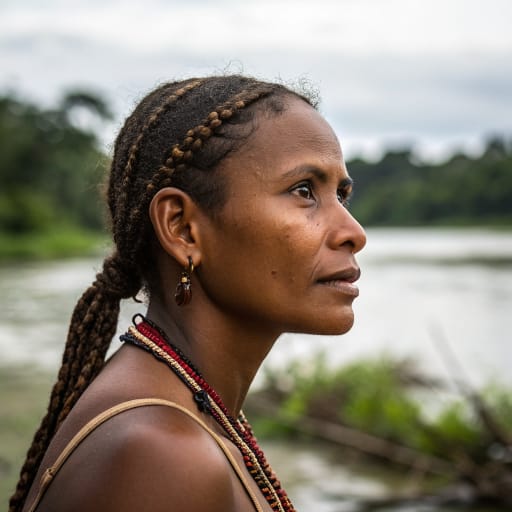
Typical Shiriana Phenotypes
Reference for AI generation: hair, eyes, skin, facial structure, build
Explore phenotype categories
Structured taxonomy with peer-reviewed scales · 22 anatomical categories
Erotic Poses & Sex Positions
From the pose catalog: 219 named positions with reference skeletons
Frequently asked questions about Shiriana people
Where is the Shiriana homeland?
The Shiriana homeland is Demini and Araçá rivers, north-bank tributaries of the middle Rio Negro, Amazonas state, northern Brazil in South America.
What language do Shiriana people speak?
Shiriana people primarily speak Shiriana, also called Bahuana or Xiriâna (Arawakan), now extinct; descendants speak Portuguese.
What religion do Shiriana people practice?
The predominant religion among Shiriana people is Indigenous Amazonian beliefs, poorly documented; Catholic influence through the Rio Negro missions.






Make your own Shiriana images
Five a day, free, no credits to buy. The studio starts from this group's phenotype data, so you can set body type, pose and style and keep the traits accurate.
Start with Shiriana