Help us get this right
Does this portrait look right for Kakavand?
Nobody has judged this one yet. You would be the first.
Kakavand Erotic
Delfan County around Nurabad in northwestern Lorestan and the Harsin area of Kermanshah Province, western Iran, with a resettled branch in the hills of Qazvin Province.
Laki (Northwestern Iranian, Indo-European; classed either as Southern Kurdish or as its own language between Kurdish and Luri); Persian as a second language
Twelver Shia Islam and Yarsanism (Ahl-e Haqq)
A Lak tribe usually counted among the Kurds; part of the Delfan confederation of northern Lorestan alongside the Itivand and Mumivand, with a separate Qazvin branch.
About Kakavand People
The Kakavand are a tribe of the central Zagros whose identity sits at a junction that outsiders keep trying to tidy up. They are usually counted as Kurds, they speak Laki, and their heartland lies in Lorestan, a province named for the Lurs. Ask which label is correct and the answer depends on who is asking. What the Kakavand themselves have held onto is simpler: a lineage name, a territory, and a memory of being one of the main sections of the Delfan confederation, the cluster of Lak tribes that also includes the Itivand and Mumivand. The -vand ending is the standard Zagros marker of descent, and kaka is the Kurdish word for an older brother, used as a term of respect.
Their core country is the high ground around Nurabad in Delfan County, in northwestern Lorestan, spilling west toward Harsin and the Kermanshah plain. A separate branch lives far to the north in the hills of Qazvin Province, descendants of families the Iranian state moved there generations ago, part of a long royal habit of uprooting tribes and planting them elsewhere. Laki, their language, is Northwestern Iranian. Linguists argue over whether it is a southern form of Kurdish or a language of its own standing between Kurdish and Luri. Most Kakavand also speak Persian.
Until the twentieth century most Kakavand were herders, moving sheep and goats between cool summer pastures and warmer winter valleys, living in black goat hair tents and answering to their own khans. Reza Shah's campaigns in Lorestan in the 1920s and 1930s broke that system by force: the tribes were disarmed, leaders were removed, and families were pushed into villages. Today the Kakavand are mostly farmers, townspeople and wage workers, in places like Nurabad, Harsin, Kermanshah and Tehran, though herding survives at the edges and tribal affiliation still matters in marriage, local politics and disputes.
Religion divides them quietly. Many are Twelver Shia, like most of Iran. Many others are Yarsan, also called Ahl-e Haqq, a faith rooted in the western Zagros that the Islamic Republic does not recognize. Yarsan worship centers on the jam, a gathering where sacred verses are sung to the tanbur, a long-necked lute, and Delfan is known as one of the instrument's home districts. Yarsan men traditionally leave the mustache uncut, a small visible sign in a community that has often had reasons to keep its beliefs to itself.
Related ethnic groups
Groups that share Kakavand's homeland, region, language, or religious tradition. These are likely candidates for comparative phenotype reference.
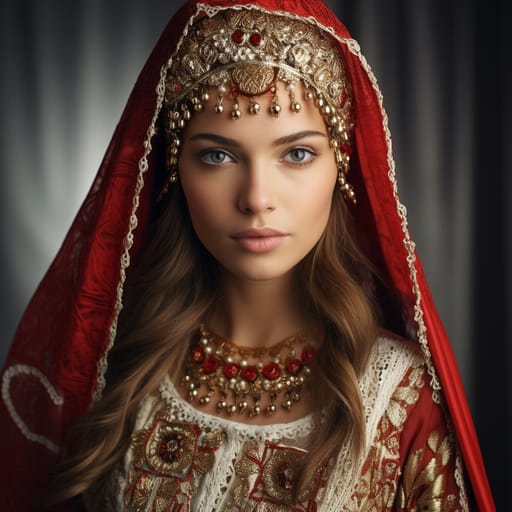
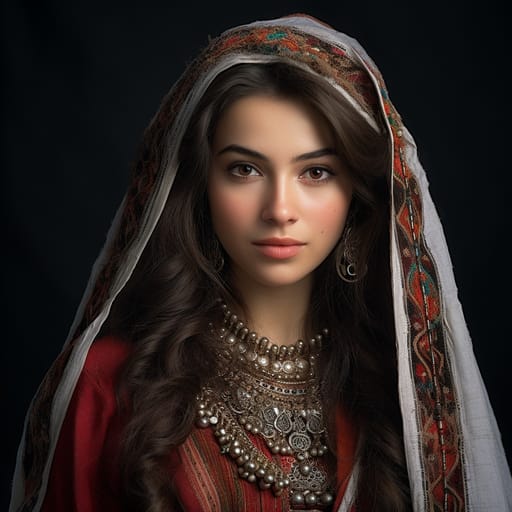
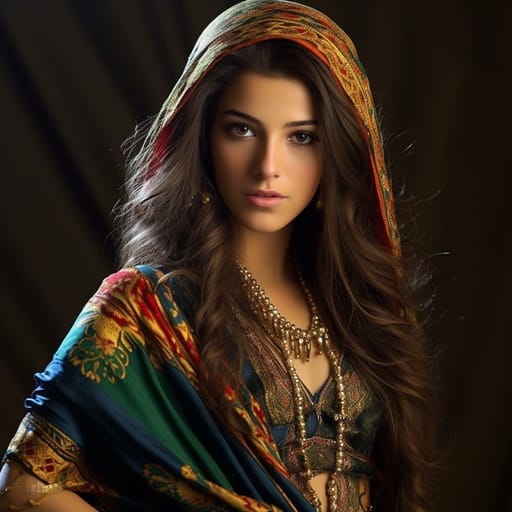
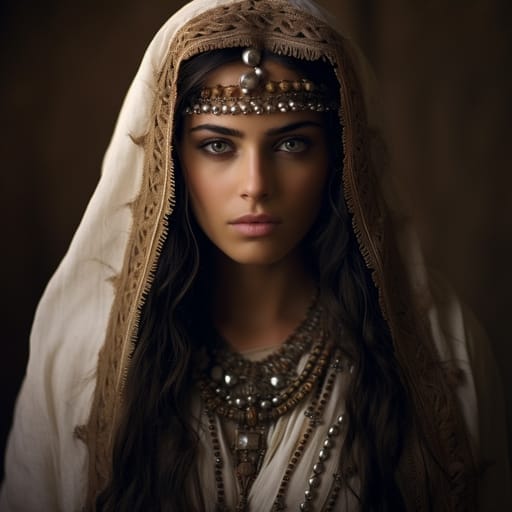
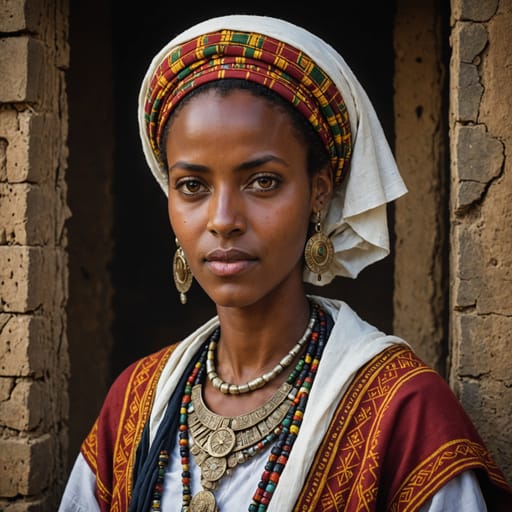
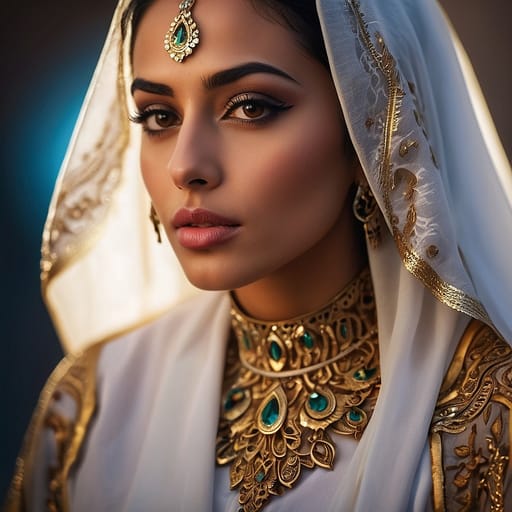
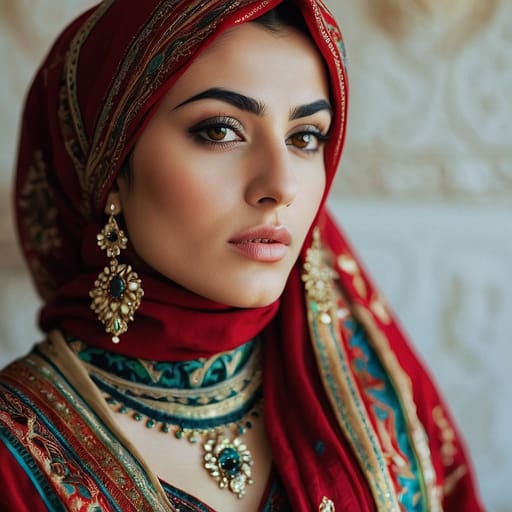
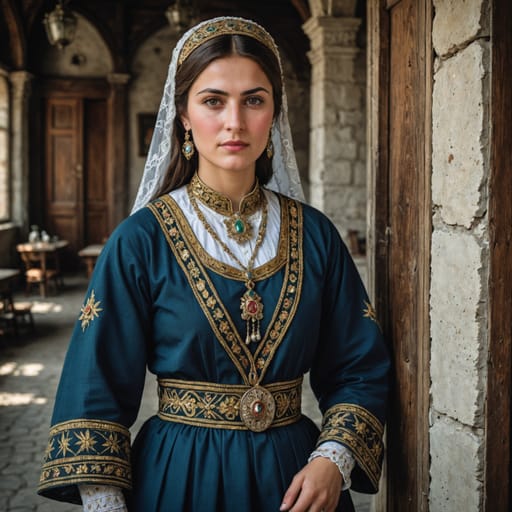
Typical Kakavand Phenotypes
Reference for AI generation: hair, eyes, skin, facial structure, build
Explore phenotype categories
Structured taxonomy with peer-reviewed scales · 22 anatomical categories
Erotic Poses & Sex Positions
From the pose catalog: 219 named positions with reference skeletons
Frequently asked questions about Kakavand people
Where is the Kakavand homeland?
The Kakavand homeland is Delfan County around Nurabad in northwestern Lorestan and the Harsin area of Kermanshah Province, western Iran, with a resettled branch in the hills of Qazvin Province. in Western Asia.
What language do Kakavand people speak?
Kakavand people primarily speak Laki (Northwestern Iranian, Indo-European; classed either as Southern Kurdish or as its own language between Kurdish and Luri); Persian as a second language.
What religion do Kakavand people practice?
The predominant religion among Kakavand people is Twelver Shia Islam and Yarsanism (Ahl-e Haqq).






Make your own Kakavand images
Five a day, free, no credits to buy. The studio starts from this group's phenotype data, so you can set body type, pose and style and keep the traits accurate.
Start with Kakavand