Help us get this right
Does this portrait look right for Atacameños?
Nobody has judged this one yet. You would be the first.
Atacameños Erotic
Oases and altiplano of the Atacama Desert, Antofagasta Region, northern Chile; also the Puna of Salta and Jujuy, Argentina, and southwestern Bolivia
Spanish; Kunza (language isolate, no longer spoken natively, under revival)
Catholic, blended with Andean devotion to Pachamama and the mountain spirits
Lickanantay; ayllus of the Salar de Atacama basin and the villages of the Alto Loa; part of the wider south-central Andean Indigenous world
About Atacameños People
The Atacameños, who call themselves Lickanantay, are the people of the driest nonpolar desert on earth, and that fact shapes almost everything about them. They live in a string of oasis villages and highland pastures around the Salar de Atacama and the upper Loa River in Chile's Antofagasta Region, with smaller communities across the border in the Puna of Salta and Jujuy in Argentina and the Lípez country of southwestern Bolivia. Water, not land, is the scarce thing, and Atacameño life has been organized around moving it for well over a thousand years: stone-lined canals feed terraces of corn, alfalfa, quinoa and fruit trees, while llamas, sheep and goats graze the wetlands higher up. The yearly cleaning of the canals remains the central civic and religious event in each village, done collectively and closed with music, feasting and offerings to the earth.
Their old language, Kunza, is an isolate with no known relatives, which sets the Atacameños apart from the Quechua and Aymara speakers to the north and east. Chilean schooling and mine labor finished it as a spoken tongue by the mid twentieth century, but it survives in hundreds of place names, in the vocabulary of plants, animals and irrigation, and in ritual song, above all the talatur chanted at the canal cleaning. Everyone now speaks Spanish, and revival classes run in San Pedro de Atacama and other villages. Religion is Catholic on the surface and Andean underneath: patron saint festivals fill the calendar, yet the same households make offerings to Pachamama and to the mountains, and carnival, along with the flowering of livestock with wool tassels, carries clear pre-Hispanic weight.
The Atacameños have been governed from far away for a long time. Tiwanaku traded with them, the Incas conquered them in the fifteenth century, the Spanish passed through in the 1530s and 1540s, and the whole region was Bolivian until Chile took it in the War of the Pacific. Copper, above all at Chuquicamata near Calama, pulled men off the land into wage labor, and the state's push to Chileanize the north did lasting damage to language and community life. Chile recognized the Atacameños as an Indigenous people in 1993, and since then the ayllus around San Pedro and the villages of the Alto Loa have pressed land and water claims with some success. The present pressure is lithium: brine pumped from beneath the Salar de Atacama draws down the water the oases depend on, and Atacameño communities are now the most visible Indigenous voice in that dispute. Tourism in San Pedro brings money, and also the odd experience of watching their home sold back to them as scenery.
Related ethnic groups
Groups that share Atacameños's homeland, region, language, or religious tradition. These are likely candidates for comparative phenotype reference.
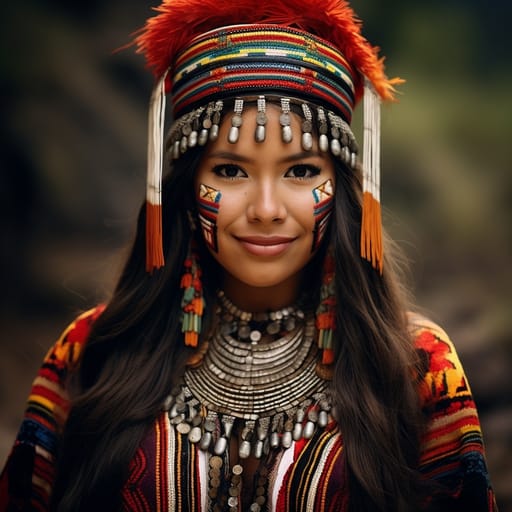
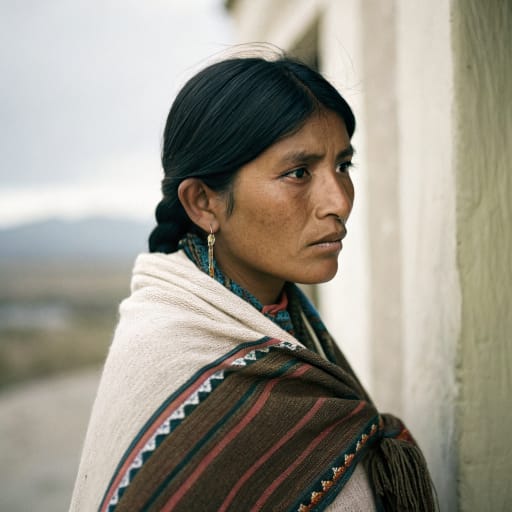
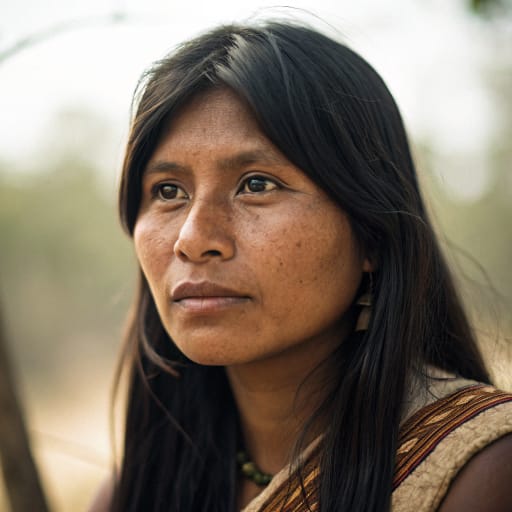
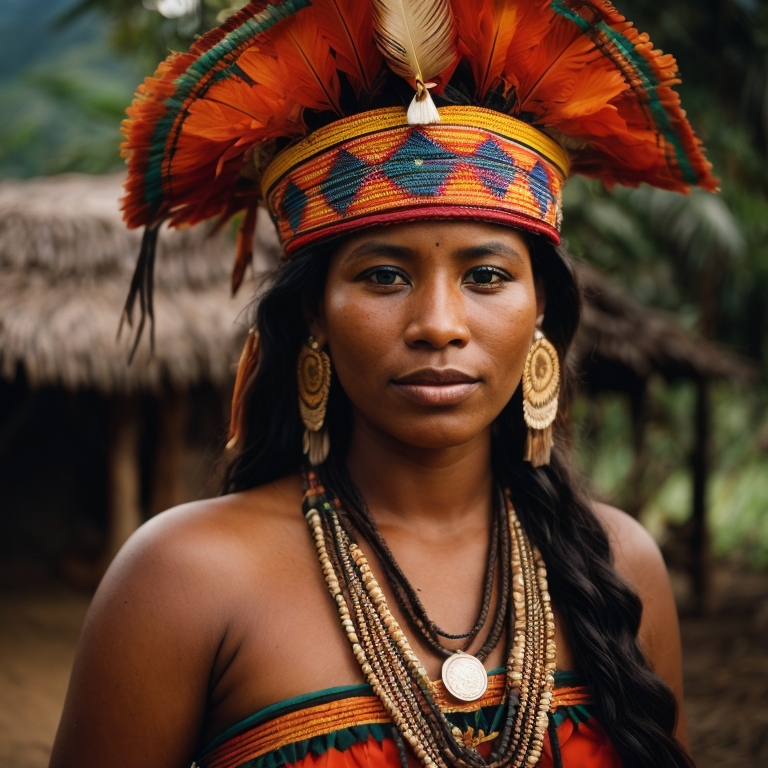
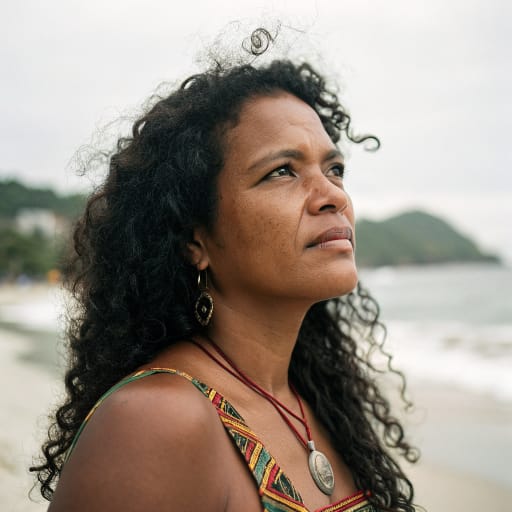
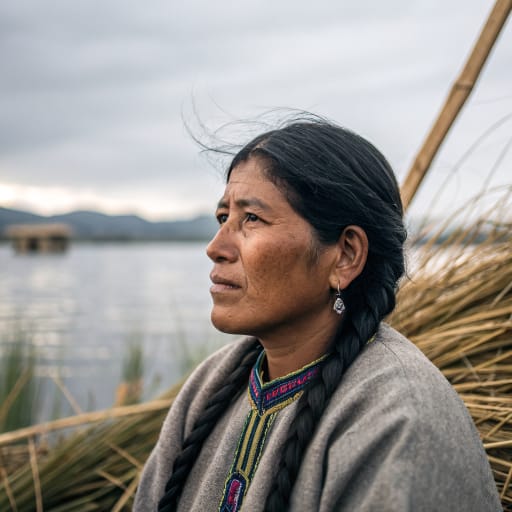
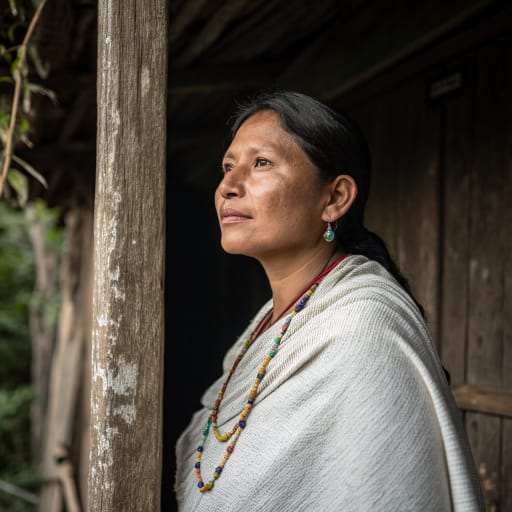
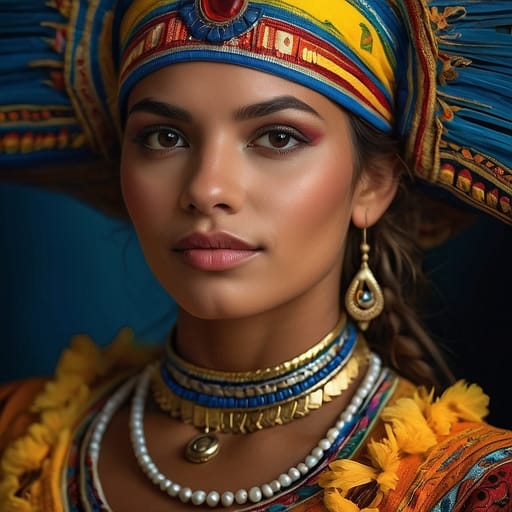
Typical Atacameños Phenotypes
Reference for AI generation: hair, eyes, skin, facial structure, build
Atacameños Body & Anatomy Reference
Per-feature anatomical profile for AI nude generation: South American Indigenous / European-Mestizo / Afro-Latino mix phenotype
Atacameños Boobs & Breasts
The typical Atacameños bust is medium-to-large cup, full, high projection, in line with the wider South American Indigenous / European-Mestizo / Afro-Latino mix pattern. Areolas usually fall in the 32-46mm range, with medium-brown to dark-brown areolar pigmentation against the tan-to-deep-brown skin tone. Compared with the smaller bust profile of Andean Indigenous sub-populations, Atacameños breasts sit forward and are generally the classic Brazilian / Latina curvy bust profile in lowland populations; smaller and shorter-set in Andean Indigenous populations. A faithful AI render of Atacameños tits keeps that shape and areola size.
Atacameños Ass & Hips
Butt shape among Atacameños women: full, high projection, the famous Brazilian / Latina bunda profile, over wide iliac crests, very full gluteal-femoral fat deposition (the hallmark Brazilian / Latina hip-to-waist ratio). This follows South American Indigenous / European-Mestizo / Afro-Latino mix ancestry and looks quite unlike the slim narrow-hip East Asian profile. An accurate Atacameños ass in adult AI imagery keeps both the silhouette and the overall build (endomorph-to-mesomorph with high gluteal-femoral deposition) instead of a generic average.
Atacameños Vagina & Pussy
Vulvar anatomy among Atacameños women: medium-brown to dark-brown labial pigmentation, fuller labia minora. Pubic hair tends to be wavy-to-curly coarse dark texture, dense distribution, in the usual inverted-triangle pattern. Both follow South American Indigenous / European-Mestizo / Afro-Latino mix pigmentation, which is why Atacameños pussy renders should not fall back on a pale, sparse Western template.
Atacameños Dicks & Penis
The Atacameños cock profile, from South American Indigenous / European-Mestizo / Afro-Latino mix anthropometric data: regional mean ~13cm erect; moderate-to-above-average girth; medium-brown shaft pigmentation. Pubic hair has a wavy-to-curly coarse dark texture and forms the usual inverted-V pattern. Whether Atacameños men are circumcised follows religious and cultural practice rather than phenotype.
Atacameños Body, Curves & Build
Build and curves among Atacameños women follow the South American Indigenous / European-Mestizo / Afro-Latino mix pattern: endomorph-to-mesomorph with high gluteal-femoral deposition, mean adult female BMI 25-28. Proportions matter as much as skin tone, so Atacameños figures should keep their regional height and limb ratios.
Atacameños Skin Tone & Hair Texture
The Atacameños skin range is tan to deep-brown (Fitzpatrick III-VI), and hair tends to be straight-to-curly 1A-3C, varies widely by ancestral composition. That combination marks the South American Indigenous / European-Mestizo / Afro-Latino mix phenotype, and skin tone is the trait AI generators most often get wrong for Atacameños women.
Explore phenotype categories
Structured taxonomy with peer-reviewed scales · 22 anatomical categories
Erotic Poses & Sex Positions
From the pose catalog: 219 named positions with reference skeletons
Frequently asked questions about Atacameños people
Where is the Atacameños homeland?
The Atacameños homeland is Oases and altiplano of the Atacama Desert, Antofagasta Region, northern Chile; also the Puna of Salta and Jujuy, Argentina, and southwestern Bolivia in South America.
What language do Atacameños people speak?
Atacameños people primarily speak Spanish; Kunza (language isolate, no longer spoken natively, under revival).
What religion do Atacameños people practice?
The predominant religion among Atacameños people is Catholic, blended with Andean devotion to Pachamama and the mountain spirits.






Make your own Atacameños images
Five a day, free, no credits to buy. The studio starts from this group's phenotype data, so you can set body type, pose and style and keep the traits accurate.
Start with Atacameños