No portrait yet
Ciboney Erotic
Cuba and the Isla de la Juventud, and southwestern Hispaniola in present-day Haiti and the Dominican Republic.
Unrecorded. If the Ciboney of the Spanish accounts were a western branch of the Taino, they spoke Taino (Arawakan); the Archaic Age islanders later given the same name left no attested language.
Not directly documented. Cave use and rock art imply an organized ritual life, and communities under Taino authority would have shared in Taino cemi practice.
Variously grouped with the Guanahatabey of far western Cuba, with the Archaic Age (Casimiroid) islanders, or classed as Western Taino.
About Ciboney People
The Ciboney were a people of Cuba and southwestern Hispaniola who ceased to exist as distinct communities within roughly fifty years of Spanish contact in 1492, undone by introduced disease, forced labor and violence. Their ancestry persists in the modern populations of Cuba, Haiti and the Dominican Republic, but no Ciboney community continues. The name is Taino, usually read as something close to cave dweller or stone people, and it was applied to them by neighbors rather than chosen by themselves. That secondhand origin is the first thing worth knowing, because nearly everything recorded about the Ciboney was recorded by people who were not Ciboney.
The second thing is that the word has been made to carry two different peoples. Spanish chroniclers used it for a subject population in central Cuba and the southwestern peninsula of Hispaniola, described as living more plainly than the Taino lords they answered to. Twentieth-century archaeologists then borrowed the term for something else entirely: the Archaic Age foragers who settled the Greater Antilles thousands of years before the Arawak-speaking ancestors of the Taino paddled up from South America. Those earlier islanders fished and gathered shellfish, worked queen conch into gouges and cups, ground stone into bowls and heavy balls, sheltered in coastal caves and rock shelters, and made no pottery for most of their very long tenure. Cuban archaeology knows them by site names, Guayabo Blanco and Cayo Redondo, rather than by any ethnonym they would have recognized.
Ancient DNA has since shown the two populations really were separate, and that they shared the islands for centuries with strikingly little mixing. Whether the Ciboney the Spanish met were survivors of the older population, a Taino-speaking province at the western edge of the Taino world, or both in different places, is still unsettled. Specialists now mostly avoid the word in technical writing, preferring Archaic Age, Casimiroid, or Guanahatabey.
The afterlife of the name is not unsettled at all. Nineteenth-century Cuban writers of the siboneyista movement adopted the vanished Ciboney as a literary ancestor, a way of claiming an identity that owed nothing to Spain. The pose was sentimental and largely invented, but it fixed the word in the national vocabulary for good: a beach and a village near Santiago, a Havana neighborhood, and Ernesto Lecuona's 1929 song, which is how most of the world has met the name without knowing it once belonged to a people.
Related ethnic groups
Groups that share Ciboney's homeland, region, language, or religious tradition. These are likely candidates for comparative phenotype reference.
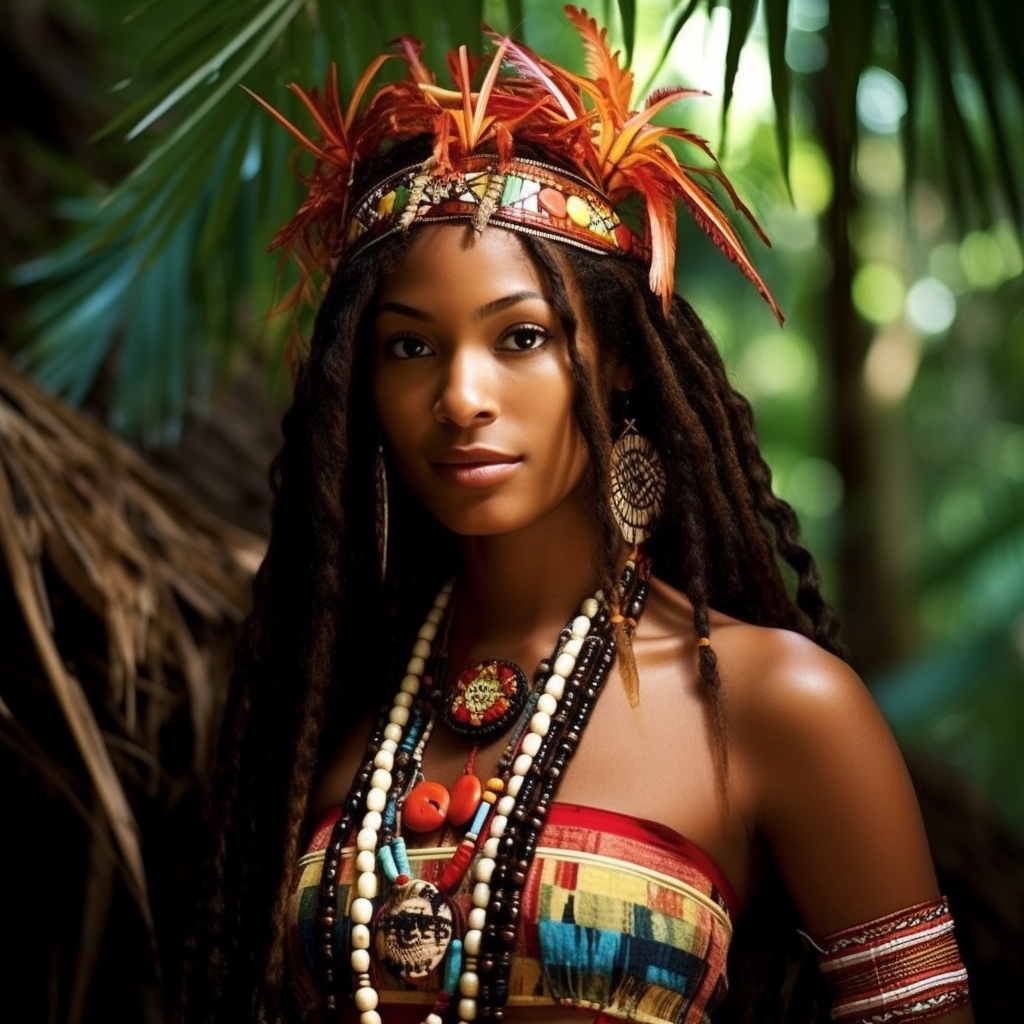
Taíno
same region (Caribbean)
Afro-Antiguan Barbudan
same region (Caribbean)
Mixed Antiguan
same region (Caribbean)
Hispanic Antiguan
same region (Caribbean)
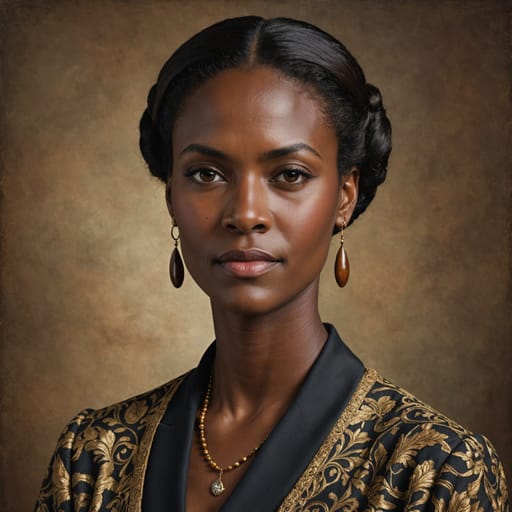
White Antiguan
same region (Caribbean)
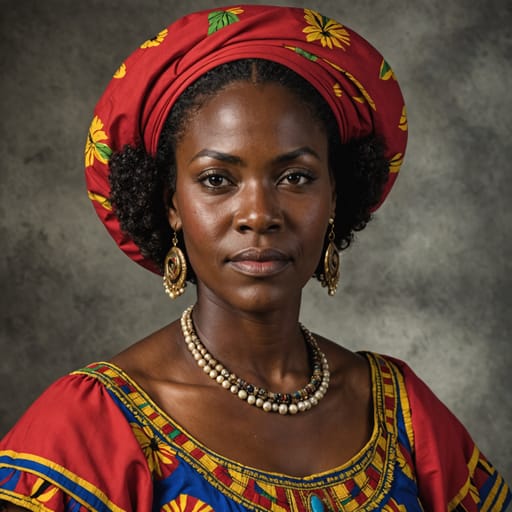
Afro-Caribbean Antiguan
same region (Caribbean)
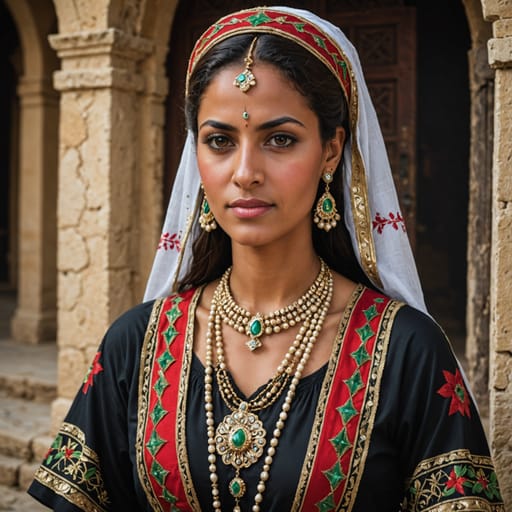
Lebanese-Syrian Caribbean
same region (Caribbean)
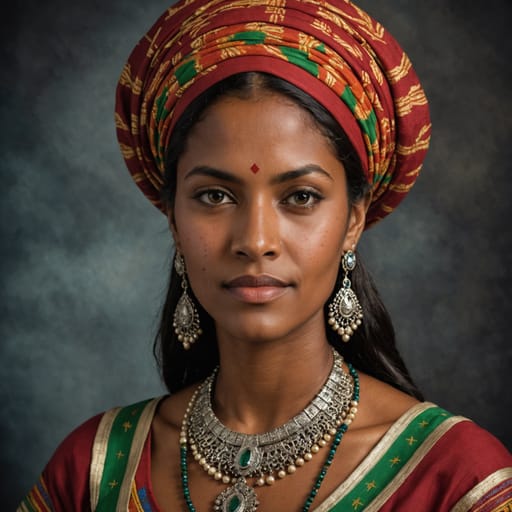
Indo-Caribbean Immigrant
same region (Caribbean)
Typical Ciboney Phenotypes
Reference for AI generation: hair, eyes, skin, facial structure, build
Ciboney Body & Anatomy Reference
Afro-Caribbean / Indo-Caribbean / Creole phenotype: anatomy reference for AI nude generation
Ciboney Boobs & Breasts
The typical Ciboney bust is medium-to-large cup, full, high projection, in line with the wider Afro-Caribbean / Indo-Caribbean / Creole pattern. Areolas usually fall in the 34-50mm range, with medium-brown to deep-brown areolar pigmentation against the medium-to-deep-brown skin tone. Compared with the smaller East Asian bust, Ciboney breasts sit forward and are generally full and projecting. A faithful AI render of Ciboney tits keeps that shape and areola size.
Ciboney Ass & Hips
Butt shape among Ciboney women: full, high projection, wide-set glutes, over wide iliac crests, full gluteal-femoral fat deposition. This follows Afro-Caribbean / Indo-Caribbean / Creole ancestry and looks quite unlike the slim narrow-hip East Asian profile. An accurate Ciboney ass in adult AI imagery keeps both the silhouette and the overall build (mesomorph with strong gluteal-femoral deposition) instead of a generic average.
Ciboney Vagina & Pussy
Vulvar anatomy among Ciboney women: medium-brown to deep-brown labial pigmentation, fuller labia minora. Pubic hair tends to be tightly-coiled to wavy coarse texture, in the usual inverted-triangle pattern. Both follow Afro-Caribbean / Indo-Caribbean / Creole pigmentation, which is why Ciboney pussy renders should not fall back on a pale, sparse Western template.
Ciboney Dicks & Penis
The Ciboney cock profile, from Afro-Caribbean / Indo-Caribbean / Creole anthropometric data: regional mean ~14cm erect; above-average girth; deep-brown shaft pigmentation. Pubic hair has a tightly-coiled to wavy coarse texture and forms the usual inverted-V pattern. Whether Ciboney men are circumcised follows religious and cultural practice rather than phenotype.
Ciboney Body, Curves & Build
Build and curves among Ciboney women follow the Afro-Caribbean / Indo-Caribbean / Creole pattern: mesomorph with strong gluteal-femoral deposition, mean adult female BMI 26-29. Proportions matter as much as skin tone, so Ciboney figures should keep their regional height and limb ratios.
Ciboney Skin Tone & Hair Texture
The Ciboney skin range is medium-to-deep brown (Fitzpatrick IV-VI), and hair tends to be tight 4A-4C coil predominant in Afro-Caribbean; 1A-2B straight-to-wavy in Indo-Caribbean. That combination marks the Afro-Caribbean / Indo-Caribbean / Creole phenotype, and skin tone is the trait AI generators most often get wrong for Ciboney women.
Explore phenotype categories
Structured taxonomy with peer-reviewed scales · 22 anatomical categories
Erotic Poses & Sex Positions
From the pose catalog: 219 named positions with reference skeletons
Frequently asked questions about Ciboney people
Where is the Ciboney homeland?
The Ciboney homeland is Cuba and the Isla de la Juventud, and southwestern Hispaniola in present-day Haiti and the Dominican Republic. in Caribbean.
What language do Ciboney people speak?
Ciboney people primarily speak Unrecorded. If the Ciboney of the Spanish accounts were a western branch of the Taino, they spoke Taino (Arawakan); the Archaic Age islanders later given the same name left no attested language..
What religion do Ciboney people practice?
The predominant religion among Ciboney people is Not directly documented. Cave use and rock art imply an organized ritual life, and communities under Taino authority would have shared in Taino cemi practice..






Make your own Ciboney images
Five a day, free, no credits to buy. The studio starts from this group's phenotype data, so you can set body type, pose and style and keep the traits accurate.
Start with Ciboney