Help us get this right
Does this portrait look right for Afro-Cuban?
One tap. It takes a second and it is recorded.
1 says it looks right, 0 say it looks off.
Afro-Cuban Erotic
About Afro-Cuban People
Related ethnic groups
Groups that share Afro-Cuban's homeland, region, language, or religious tradition. These are likely candidates for comparative phenotype reference.
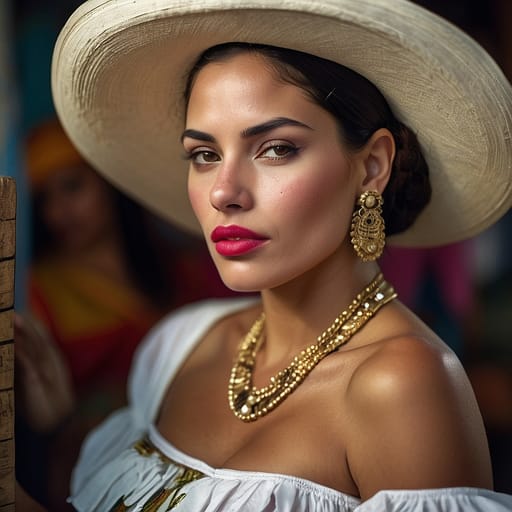
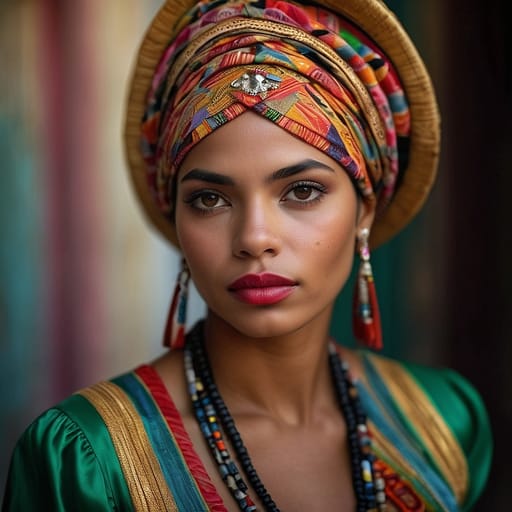
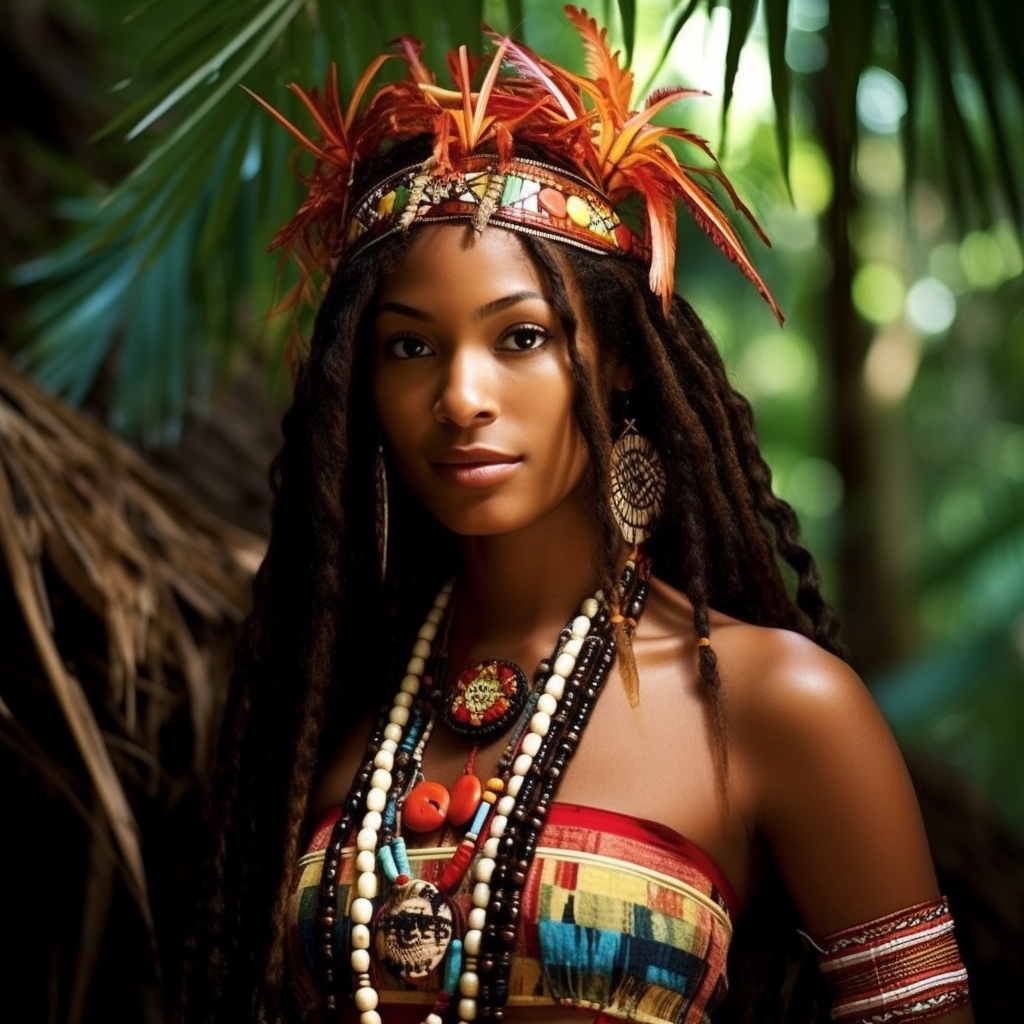
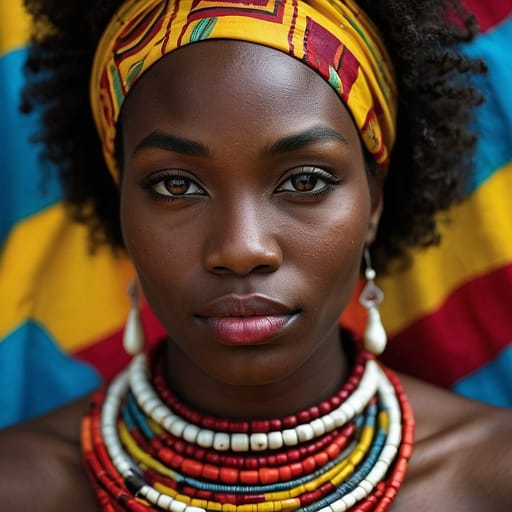
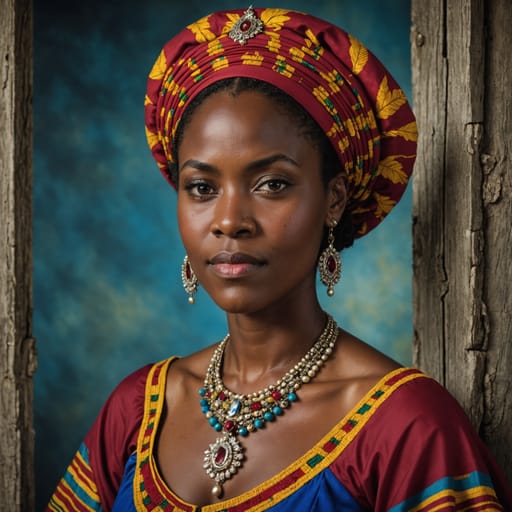
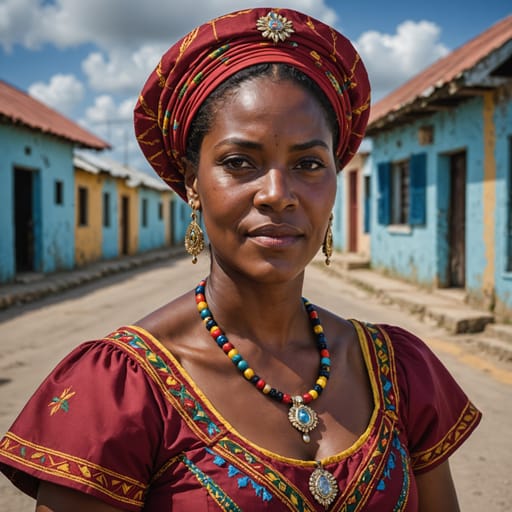
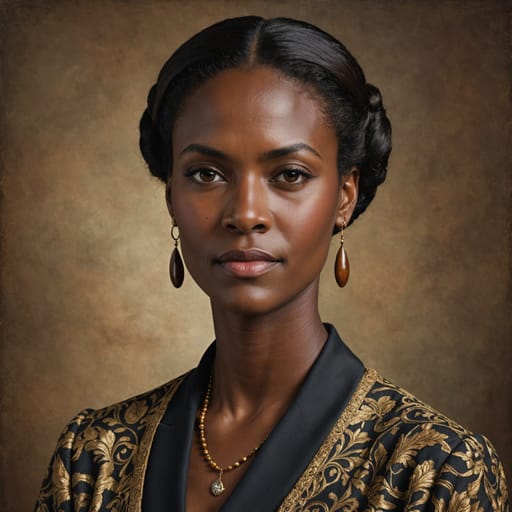
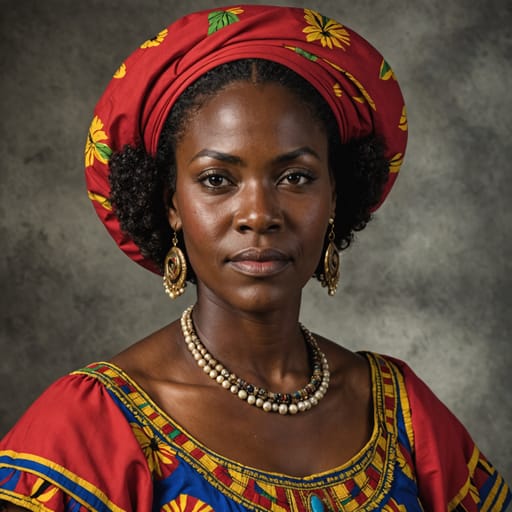
Geographic Distribution: Afro-Cuban populations across 1 country
Each row is ranked by the group's share of that country's population, with the source citation drawn from published census and demographic surveys. Click through for the full per-country phenotype profile.
| Country | Share | Source |
|---|---|---|
| Cuba | 9.0% | ONEI 2012 Census, self-identified Negro (~9.3%); concentrated heavily in Santiago de Cuba, Guantánamo, Granma, Holguín, Las Tunas (eastern Cuba), plus substantial populations in Havana. Includes descendants of enslaved Africans brought during 16th-19th c. trade plus 19th c. Haitian and 20th c. Jamaican-Caribbean immigrant populations |
Typical Afro-Cuban Phenotypes
Reference for AI generation: hair, eyes, skin, facial structure, build
Afro-Cuban Body & Anatomy Reference
Afro-Caribbean / Indo-Caribbean / Creole phenotype: anatomy reference for AI nude generation
Afro-Cuban Boobs & Breasts
Afro-Cuban boobs follow the Afro-Caribbean / Indo-Caribbean / Creole profile: medium-to-large cup, full, high projection. Areolar diameter is usually 34-50mm, and the coloring is medium-brown to deep-brown areolar pigmentation against the medium-to-deep-brown skin tone. Breast shape tracks body composition (mesomorph with strong gluteal-femoral deposition, mean adult female BMI 26-29), so Afro-Cuban breasts tend to be full and projecting. Expect a forward-set shape, not the smaller East Asian bust.
Afro-Cuban Ass & Hips
Afro-Cuban ass and hip morphology presents as full, high projection, wide-set glutes, distinctly different from the slim narrow-hip East Asian profile. The Afro-Cuban pelvic profile shows wide iliac crests, full gluteal-femoral fat deposition, anchored in the Afro-Caribbean / Indo-Caribbean / Creole skeletal pattern. Afro-Cuban butt shots in adult AI imagery should render the full, high projection, wide-set glutes silhouette with the overall build (mesomorph with strong gluteal-femoral deposition) and the fat distribution typical of the Afro-Caribbean / Indo-Caribbean / Creole phenotype.
Afro-Cuban Vagina & Pussy
Afro-Cuban pussy anatomy typically shows medium-brown to deep-brown labial pigmentation, fuller labia minora. Pubic hair is usually tightly-coiled to wavy coarse texture. In AI-generated Afro-Cuban nudes, labial color should blend into the medium-to-deep brown skin with a gradual transition, and the hair should keep its tightly-coiled to wavy coarse texture.
Afro-Cuban Dicks & Penis
Penis reference for Afro-Cuban men: regional mean ~14cm erect, above-average girth. Coloring: deep-brown shaft pigmentation. An accurate Afro-Cuban cock in AI imagery matches the surrounding medium-to-deep brown skin rather than a generic porn default. Circumcision depends on religion and custom, not ancestry.
Afro-Cuban Body, Curves & Build
The Afro-Cuban figure is generally mesomorph with strong gluteal-femoral deposition, with mean adult female BMI 26-29, characteristic of Afro-Caribbean / Indo-Caribbean / Creole ancestry. AI image tools tend to flatten regional body types into a few stock shapes; here the Afro-Cuban build is kept as its own reference.
Afro-Cuban Skin Tone & Hair Texture
Skin: medium-to-deep brown (Fitzpatrick IV-VI). Hair: tight 4A-4C coil predominant in Afro-Caribbean; 1A-2B straight-to-wavy in Indo-Caribbean. Both are typical of Afro-Caribbean / Indo-Caribbean / Creole ancestry. The most common mistake in AI nudes of Afro-Cuban women is a body rendered lighter than the face.
Explore phenotype categories
Structured taxonomy with peer-reviewed scales · 22 anatomical categories
Notable Afro-Cuban People
100 reference figures, sourced from Wikipedia
- Aric Almirola, current NASCAR driver, father born in Cuba
- Kiko Alonso, current NFL player for the Miami Dolphins, father is Cuban-born
- Osvaldo Alonso, midfielder for Minnesota United soccer team, Cuban-born
- Carlos Alvarez, former college football player for the University of Florida, known as "The C…
- Robert Andino, infielder for the Baltimore Orioles, Cuban-born
- Gilbert Arenas, professional basketball player with the Washington Wizards, great-grandfather…
- Javier Arenas, cornerback and punt returner for the Arizona Cardinals
- J. P. Arencibia, current catcher for the Toronto Blue Jays, parents are Cuban-born
- René Arocha, former MLB pitcher, Cuban-born
- Rolando Arrojo, former MLB pitcher, Cuban-born
- Bronson Arroyo, starting pitcher for the Arizona Diamondbacks and member of World Champion 20…
- Alex Avila, current catcher for the Detroit Tigers, father is Cuban-born
- Danys Báez, relief pitcher for the Philadelphia Phillies, Cuban-born
- Zach Banks-Calderín, racing driver, mother is Cuban-born
- Yan Barthelemí, Cuban-born professional boxer
- Steve Bellán, former baseball player, Cuban-born
- Yuniesky Betancourt, former MLB pitcher, Cuban-born
- Bert Campaneris, former MLB All-Star shortstop, Cuban-born
- Bárbaro Cañizares, current first baseman, Cuban-born
- José Canseco, former MLB All-Star outfielder and DH; author (Juiced); reality show contesta…
- Ozzie Canseco, former MLB outfielder, Cuban-born
- José Raúl Capablanca, world chess champion from 1921 to 1927
- Rene Capo, former Olympic judoka
- José Cardenal, former MLB outfielder and coach, Cuban-born
- John Carlos, Olympic track and field medalist, professional football player, founding memb…
- Joel Casamayor, Cuban professional boxer
- Nick Castellanos, Detroit Tigers
- Elieser Castillo, Cuban professional boxer
- Eliseo Castillo, Cuban professional boxer
- Yoenis Céspedes, outfielder with the New York Mets, Cuban-born
- Aroldis Chapman, relief pitcher for the New York Yankees, Cuban-born
- Vinnie Chulk, relief pitcher for the San Francisco Giants
- José Contreras, current MLB free agent pitcher, Cuban-born
- Mike Cuellar, former MLB All-Star pitcher, Cuban-born
- Orestes Destrade, former MLB first baseman and current broadcaster, Cuban-born
- Eric Eichmann, former US National Team and American professional soccer player; Cuban mother
- Yunel Escobar, current shortstop for the Los Angeles Angels, Cuban-born
- Alex Fernandez, former pitcher for the Florida Marlins
- Mary Joe Fernández, tennis player
- Osvaldo Fernández, former MLB pitcher for the Cincinnati Reds, Cuban-born
- José Fernandez, former MLB pitcher for the Miami Marlins, Cuban-born
- Tony Fossas, former MLB relief pitcher, Cuban-born
- Ryan Freel, former MLB utility player
- Tito Fuentes, former MLB second baseman, Cuban-born
- Yuriorkis Gamboa, "El Ciclón de Guantanamo", professional boxer
- Danny Garcia, former MLB outfielder, Kansas City Royals
- Preston Gómez, former MLB infielder and manager, Cuban-born
- Anthony Gonzalez, WR Atlanta Falcons National Football League
- Gio González, current MLB pitcher for the Washington Nationals
- Joaquin Gonzalez, offensive line, Indianapolis Colts, National Football League
- Luis Gonzalez, former outfielder for the Arizona Diamondbacks
- Yasmani Grandal, current catcher for the Chicago White Sox, Cuban-born
- Sammy Guevara, professional wrestler
- Henry Gutierrez, former US National Team and American professional soccer player
- Ricky Gutiérrez, former shortstop
- Annia Hatch, originally Annia Portuondo; Cuban-American gymnast, former member of Cuban an…
- Enrique Hernández, infielder/outfielder for the Los Angeles Dodgers; Cuban mother
- Evelio Hernández, starting pitcher for the Washington Senators, Cuban-born
- James "Chico" Hernandez, of Wheaties fame; US Sombo Wrestling Champion; World Cup silver; three-time B…
- Liván Hernández, former MLB pitcher, Cuban-born
- Orlando Hernández, "El Dueque" (The Duke) half-brother of Liván, former MLB player, Cuban-born
- Eric Hosmer, first baseman for the Kansas City Royals
- Raúl Ibañez, left fielder for the Los Angeles Angels of Anaheim
- José Iglesias, current MLB shortstop for the Detroit Tigers, Cuban-born
- Jon Jay, outfielder for the Chicago Cubs[citation needed]
- Shiloh Keo, football safety; Cuban mother.
- Danell Leyva, Olympic gymnast
- Ryan Lochte, gold medal Olympic swimmer
- Doug Logan, chief executive officer of USA Track & Field, the national governing body for…
- Neil Lomax, former quarterback for the St. Louis Cardinals
- Hector Lombard, mixed martial artist; Judo competitor at 2000 Sydney Olympics
- Brook Lopez, current NBA player for the Milwaukee Bucks; Cuban father
- Mickey Lopez, former second baseman
- Robin Lopez, current NBA player for the Milwaukee Bucks; Cuban father
- Frank Martin, current head men's basketball coach at South Carolina
- J. D. Martinez, current MLB player
- Jorge Masvidal, mixed martial artist
- Christina McHale, professional women's tennis player
- Fernando Mendoza, football player and 2025 Heisman Trophy winner
- Minnie Miñoso, former MLB All-Star outfielder, Cuban-born
- Frank Mir, mixed martial artist and former UFC Heavyweight Champion
- Al Montoya, current goalkeeper for the Winnipeg Jets of the NHL
- Pablo Morales, Olympic swimmer
- Kendrys Morales, current first baseman for the Toronto Blue Jays, Cuban-born
- Alex Ochoa, former MLB outfielder and current first base coach in the Boston Red Sox orga…
- Sergio Oliva, former 3-time Mr. Olympia; only bodybuilder to have ever beaten Arnold Schwar…
- Tony Oliva, former MLB All-Star outfielder, Cuban-born
- Rey Ordóñez, former shortstop, New York Mets, Cuban-born
- Henry Owens, former relief pitcher for the Florida Marlins
- Ferdie Pacheco, physician for Muhammad Ali, boxing commentator
- Orlando Palmeiro, former MLB outfielder and pinch-hitter
- Rafael Palmeiro, former MLB All-Star first baseman and member of the 3,000 Hit and 500 Home Ru…
- Camilo Pascual, former MLB pitcher, Cuban-born
- Brayan Peña, current MLB catcher, Cuban-born
- Eduardo Pérez, former MLB first baseman and current bench coach of the Houston Astros
- Tony Pérez, MLB Hall of Fame first baseman and third baseman, Cuban-born
- Jorge Posada, catcher for the New York Yankees; Cuban father
- Yasiel Puig, MLB outfielder, Cuban-born
- Alexei Ramírez, current shortstop for the Chicago White Sox, Cuban-born
- Nap Reyes, former MLB infielder, Cuban-born
Erotic Poses & Sex Positions
From the pose catalog: 219 named positions with reference skeletons
Frequently asked questions about Afro-Cuban people
Where is the Afro-Cuban homeland?
The Afro-Cuban homeland is Cuba in Caribbean.
What countries do Afro-Cuban people live in?
Afro-Cuban populations are documented across 1 country: Cuba.






Make your own Afro-Cuban images
Five a day, free, no credits to buy. The studio starts from this group's phenotype data, so you can set body type, pose and style and keep the traits accurate.
Start with Afro-Cuban