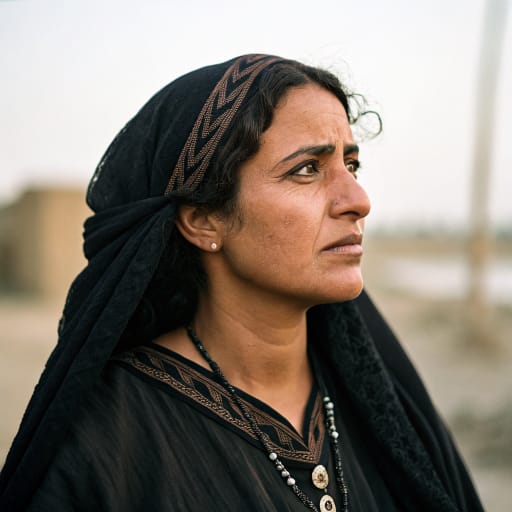
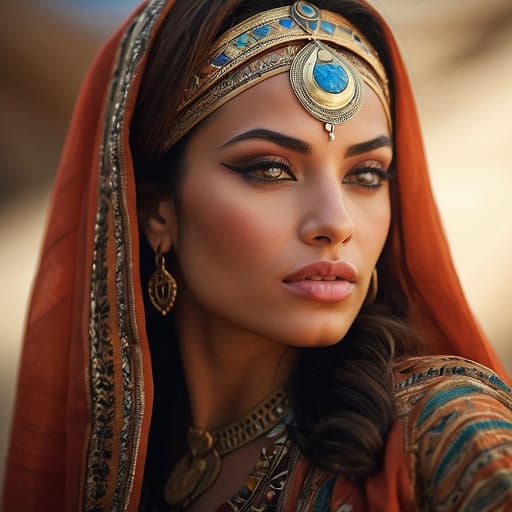
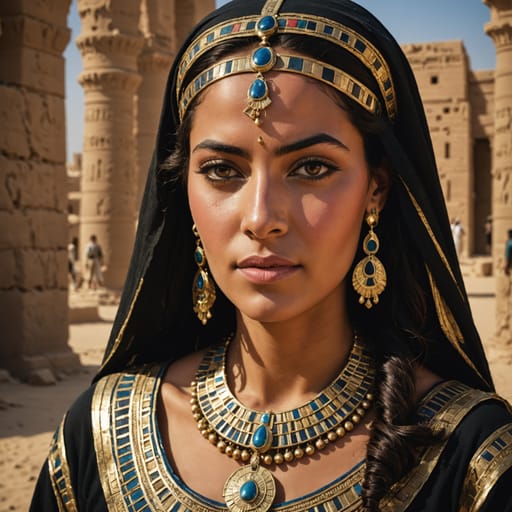
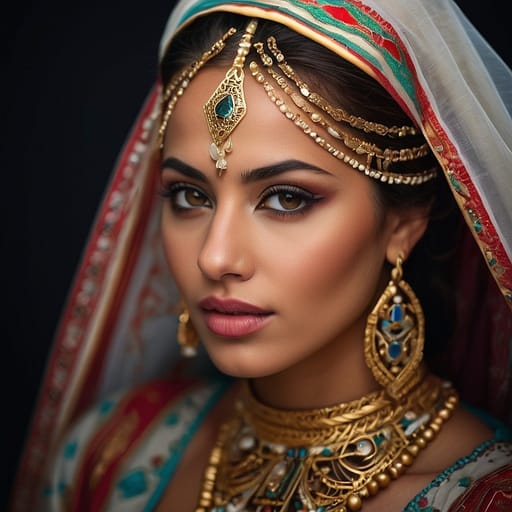
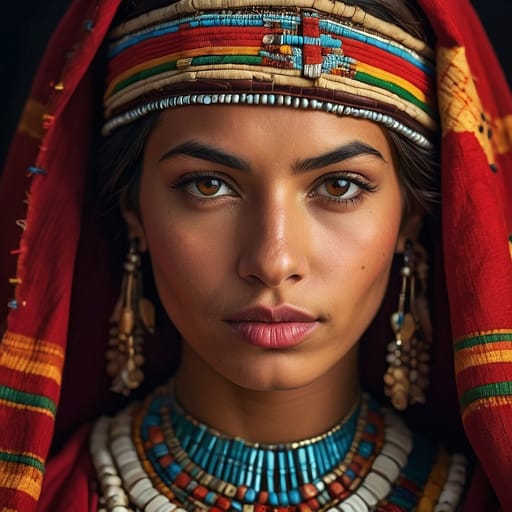
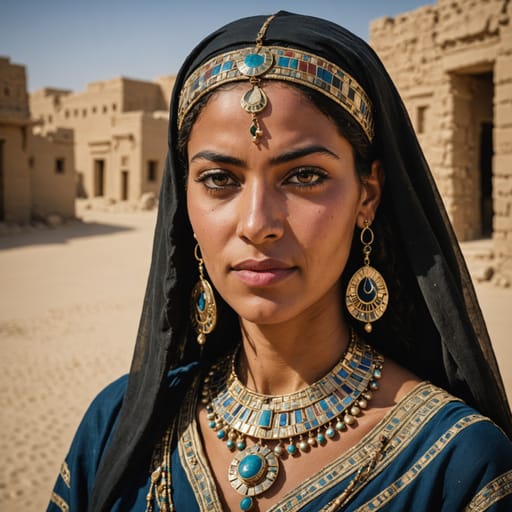
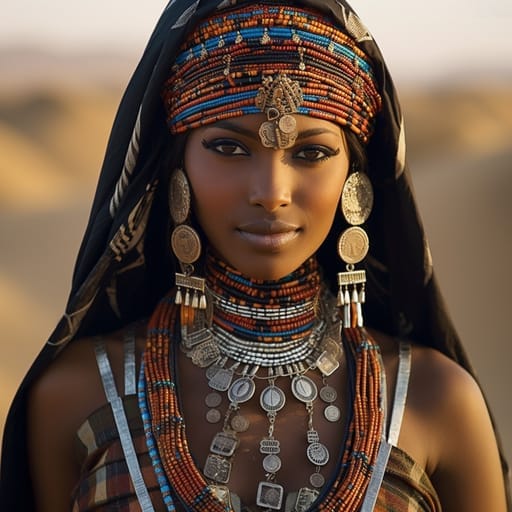
Coptic woman from Egypt — North Africa
👍 0👎 0🚩 0
Sign in to rate this image

Coptic Erotic

Homeland

Egypt

About Coptic People

Coptic Christians comprise approximately 9-10% of the Egyptian population — the largest Christian community in the Middle East and North Africa, approximately 10-12 million in Egypt plus the substantial global Coptic diaspora (~1-2M+ in the United States, Canada, Australia, Europe). The Coptic community descends continuously from the pre-Arab-conquest Egyptian-Christian population that maintained continuous Christian religious identity through the 7th-c. Arab Islamic conquest and subsequent centuries — the Coptic Orthodox Church (founded by Saint Mark in approximately 42 CE per tradition) is one of the oldest continuous Christian institutions globally. The Coptic community speaks Arabic as the primary first language; the Coptic language (descended directly from ancient Egyptian, with the Bohairic dialect as the primary liturgical form) is preserved in liturgical use only — the last native speakers died approximately 17th-18th centuries CE, though substantial revival efforts have produced a small community of trained second-language Coptic speakers. The Coptic-Egyptian population is genealogically essentially identical to broader Arab-Egyptian populations — the Coptic / Arab-Egyptian distinction is purely religious-cultural rather than population-genetic. The community has faced documented sectarian tensions and violence including the 2011-2014 post-Arab-Spring violence and continuing terrorism targeting Coptic churches.

Geographic Distribution — Coptic populations across 1 country

Each row is ranked by the group's share of that country's population, with the source citation drawn from published census and demographic surveys. Click through for the full per-country phenotype profile.

CountryShareSource
Egypt9.0%CAPMAS plus Coptic Orthodox Church estimates; Coptic Christian Egyptians (~9-10%, ~10-12M+); the historic Christian Egyptian population, descendants of the pre-Arab-conquest Egyptian-Christian population that maintained continuous Christian religious identity through the 7th-c. Arab Islamic conquest and subsequent centuries. The Coptic community speaks Arabic as the primary first language with the Coptic language preserved in liturgical use only (descended directly from ancient Egyptian)

Typical Coptic Phenotypes

Reference for AI generation — hair, eyes, skin, facial structure, build

Phenotype distribution closely matches broader Arab-Egyptian source populations — see Arab-Egyptian description. The Coptic / Arab-Egyptian phenotypic distinction is minimal; the religious-cultural distinction does not correlate with substantial population-genetic differentiation.

Coptic Body & Anatomy Reference

Per-feature anatomical profile for AI nude generation — Berber / Mediterranean-Saharan phenotype

Coptic Boobs & Breasts

Coptic tits and boobs run medium-to-large cup, full, moderate projection — the classic Berber / Mediterranean-Saharan bust profile. Coptic nipples and areolas show medium-brown to dark-brown areolar pigmentation against the olive-to-light-brown skin tone, with areolar diameter typically in the 30-44mm range and forward-set positioning rather than the the smaller East Asian bust profile. Coptic breasts trend fuller and softer than the Cushitic East African norm, a function of the mesomorph with fuller hip-and-bust deposition body habitus and the mean adult female BMI 24-28. For anatomically-accurate AI-generated Coptic nudes the render preserves: medium-to-large cup, full, moderate projection shape, 30-44mm areolas with medium-brown to dark-brown pigmentation, and the torso proportions of the Berber / Mediterranean-Saharan phenotype.

Coptic Ass & Hips

Coptic ass and hip morphology presents as medium-to-full, moderate projection, broader hip profile — distinctly different from the slim narrow-hip Cushitic East African profile. The Coptic pelvic profile shows medium-to-wide iliac crests, fuller gluteal-femoral fat distribution, anchored in the Berber / Mediterranean-Saharan skeletal pattern. Coptic butt shots in adult AI imagery should render the medium-to-full, moderate projection, broader hip profile silhouette with the mesomorph with fuller hip-and-bust deposition build and the gluteal-femoral fat distribution typical of the Berber / Mediterranean-Saharan phenotype rather than defaulting to a globally-averaged "ethnic" butt that generic AI generators produce. The hip-to-waist ratio characteristic of Coptic women is one of the identifying features of the Berber / Mediterranean-Saharan regional phenotype.

Coptic Vagina & Pussy

Coptic pussy and vulvar anatomy presents medium-brown to dark-brown labial pigmentation, fuller labia minora — consistent with the Berber / Mediterranean-Saharan phenotype's pigmentation pattern. Coptic pubic hair is typically wavy-to-coiled medium-coarse texture, dense distribution, distributed in the inverted-triangle pattern with regional-typical density. AI-generated Coptic nude imagery should preserve the medium-brown to dark-brown labial pigmentation and the wavy-to-coiled medium-coarse texture hair texture rather than defaulting to a Western-European pink-and-sparse template. For anatomically-accurate Coptic pussy renders the labial pigmentation and coloration should match the surrounding olive to medium-brown skin tone of the Berber / Mediterranean-Saharan phenotype, with continuous gradient rather than an abrupt color transition.

Coptic Dicks & Penis

Coptic dick and penile anatomy in adult AI generation should anchor on the regional reference data: regional mean ~13-14cm erect, moderate girth, and medium-brown shaft pigmentation. The Coptic cock profile reflects the Berber / Mediterranean-Saharan ancestral population's anthropometric measurements rather than a globally-averaged Western-pornography default. For anatomically-accurate Coptic nude male imagery the shaft pigmentation should track the surrounding olive to medium-brown skin tone, the glans-to-shaft pigmentation transition should be continuous, and the pubic hair pattern should match wavy-to-coiled medium-coarse texture texture distributed in the typical inverted-V escutcheon. Circumcision status in Coptic populations varies by religious-cultural tradition rather than ancestral phenotype.

Coptic Body, Curves & Build

Coptic body type and overall build presents as mesomorph with fuller hip-and-bust deposition, with mean adult female BMI 24-28 — the characteristic Berber / Mediterranean-Saharan habitus. Coptic curves and proportions in adult AI imagery should preserve the regional skeletal frame (height, shoulder-to-hip ratio, limb proportions) rather than scaling to a Western-European mesomorph default. The Coptic nude female form, when rendered with anatomical fidelity, shows the height range, frame width, and adipose distribution pattern typical of the Berber / Mediterranean-Saharan phenotype. Generic AI image generators tend to collapse regional body types into a few default shapes; the EthnicErotic phenotype-anchored approach preserves the Coptic build as its own reference category.

Coptic Skin Tone & Hair Texture

Coptic skin tone falls in the olive to medium-brown (Fitzpatrick III-V) band — the surface signal most often miscalibrated by generic AI nude generators trained on Western-photographic datasets. Coptic hair texture is typically wavy-to-curly 2B-3C, often dark-brown to black, characteristic of the Berber / Mediterranean-Saharan phenotype. For anatomically-accurate Coptic nude renders the skin should hold the Fitzpatrick band consistently across body surface rather than showing the lighter-than-face body shading that AI generators default to. Coptic hair pigmentation and texture on body, pubic, and head should match across the figure rather than mixing textures (a common AI artefact).

Frequently asked questions about Coptic people

Where is the Coptic homeland?

The Coptic homeland is Egypt in North Africa.

What countries do Coptic people live in?

Coptic populations are documented across 1 country: Egypt.

What does a typical Coptic woman look like?

Phenotype distribution closely matches broader Arab-Egyptian source populations — see Arab-Egyptian description. The Coptic / Arab-Egyptian phenotypic distinction is minimal; the religious-cultural distinction does not correlate with substantial population-genetic differentiation.

Discussion Board

Please log in to post a message.

No messages yet. Be the first to comment!