Help us get this right
Does this portrait look right for Afro-Trinidadian?
Nobody has judged this one yet. You would be the first.
Afro-Trinidadian Erotic
About Afro-Trinidadian People
Related ethnic groups
Groups that share Afro-Trinidadian's homeland, region, language, or religious tradition. These are likely candidates for comparative phenotype reference.
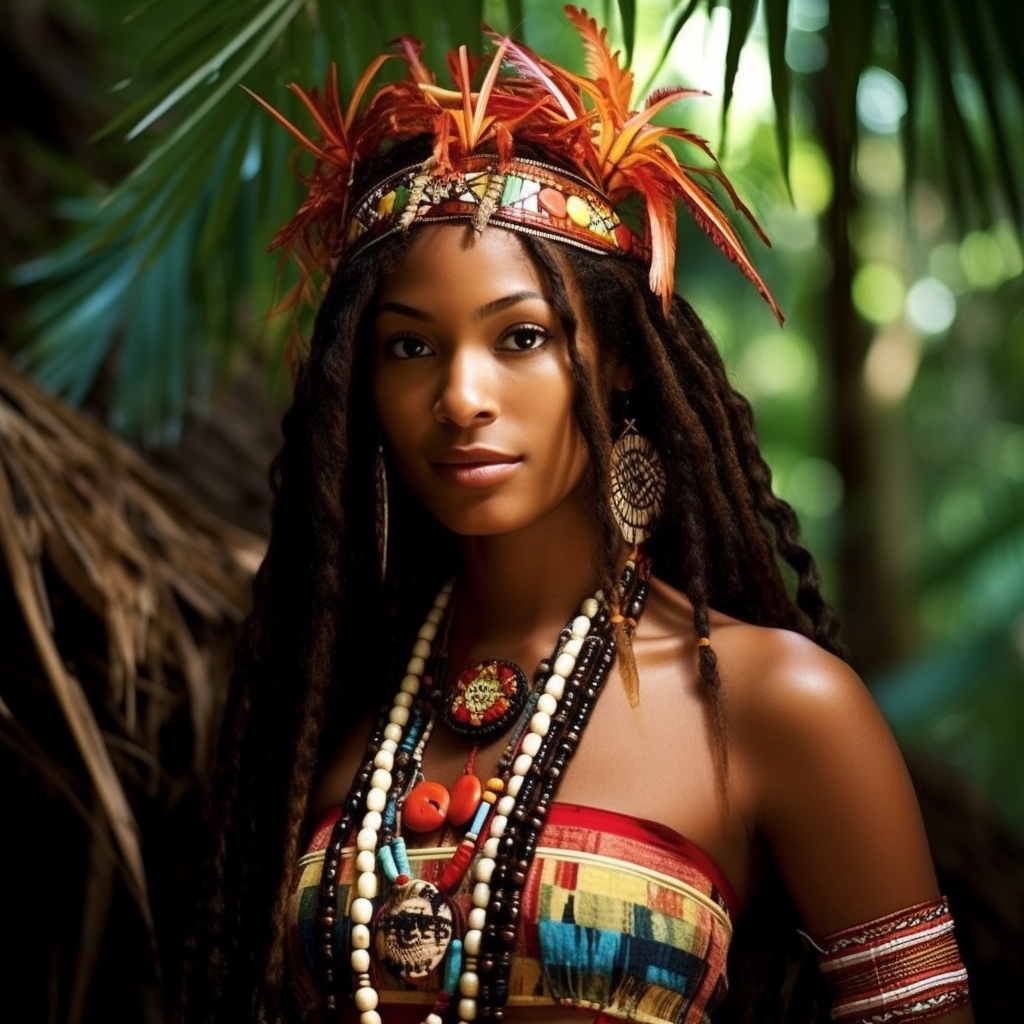
Taíno
same region (Caribbean)
Afro-Antiguan Barbudan
same region (Caribbean)
Mixed Antiguan
same region (Caribbean)
Hispanic Antiguan
same region (Caribbean)
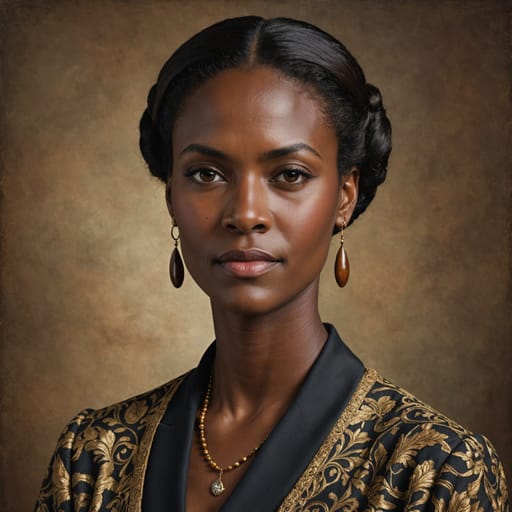
White Antiguan
same region (Caribbean)
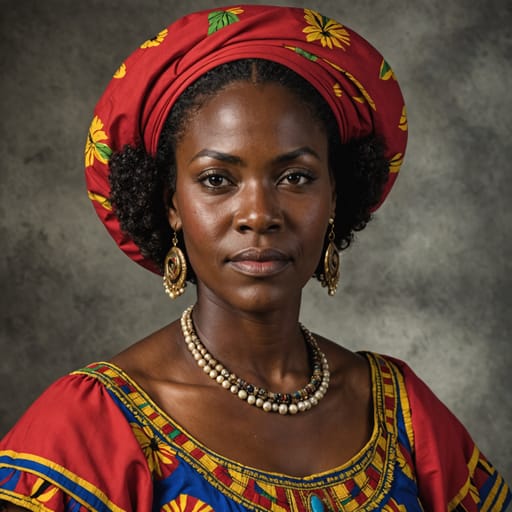
Afro-Caribbean Antiguan
same region (Caribbean)
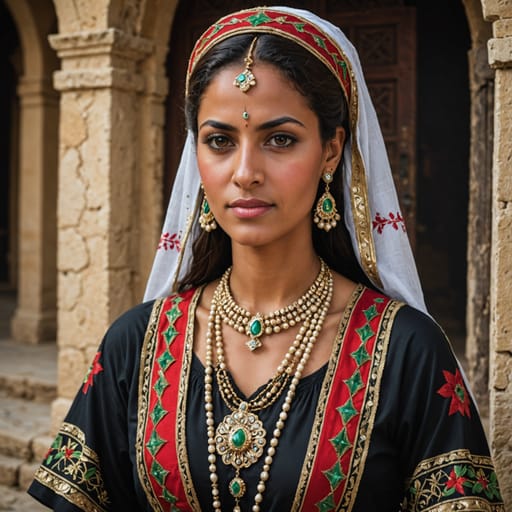
Lebanese-Syrian Caribbean
same region (Caribbean)
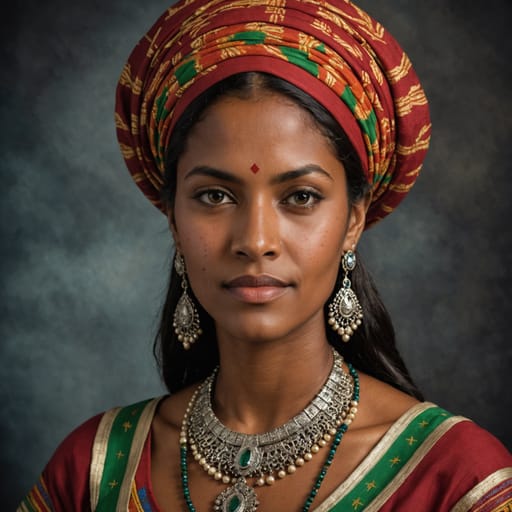
Indo-Caribbean Immigrant
same region (Caribbean)
Geographic Distribution: Afro-Trinidadian populations across 1 country
Each row is ranked by the group's share of that country's population, with the source citation drawn from published census and demographic surveys. Click through for the full per-country phenotype profile.
| Country | Share | Source |
|---|---|---|
| Trinidad and Tobago | 34.1% | CSO 2011 Census, self-identified African (~34.1%); descendants of enslaved Africans brought during 18th-19th c. British colonial sugar-cocoa-coffee economy. Concentrated in Port of Spain, San Fernando, and the western coastal urban zone |
Typical Afro-Trinidadian Phenotypes
Reference for AI generation: hair, eyes, skin, facial structure, build
Afro-Trinidadian Body & Anatomy Reference
Afro-Caribbean / Indo-Caribbean / Creole phenotype: anatomy reference for AI nude generation
Afro-Trinidadian Boobs & Breasts
Afro-Trinidadian tits and boobs run medium-to-large cup, full, high projection, the classic Afro-Caribbean / Indo-Caribbean / Creole bust profile. Afro-Trinidadian nipples and areolas show medium-brown to deep-brown areolar pigmentation against the medium-to-deep-brown skin tone, with areolar diameter typically in the 34-50mm range and forward-set positioning rather than the smaller East Asian bust. Afro-Trinidadian breasts trend full and projecting, a function of the mesomorph with strong gluteal-femoral deposition body habitus and the mean adult female BMI 26-29. For anatomically accurate AI-generated Afro-Trinidadian nudes the render preserves the medium-to-large cup, full, high projection shape, 34-50mm areolas with medium-brown to deep-brown pigmentation, and the torso proportions of the Afro-Caribbean / Indo-Caribbean / Creole phenotype.
Afro-Trinidadian Ass & Hips
Afro-Trinidadian hips and butt usually read as full, high projection, wide-set glutes. The skeletal base is wide iliac crests, full gluteal-femoral fat deposition, the Afro-Caribbean / Indo-Caribbean / Creole pattern. Set against the slim narrow-hip East Asian profile, the difference is easy to see, and the hip-to-waist ratio is often what identifies Afro-Trinidadian women in photos.
Afro-Trinidadian Vagina & Pussy
Expect medium-brown to deep-brown labial pigmentation, fuller labia minora on Afro-Trinidadian women, in keeping with Afro-Caribbean / Indo-Caribbean / Creole ancestry. The pubic hair is tightly-coiled to wavy coarse texture. Coloring should run evenly from the medium-to-deep brown skin of the thighs to the labia, and Afro-Trinidadian nude imagery should keep the hair's tightly-coiled to wavy coarse texture.
Afro-Trinidadian Dicks & Penis
Afro-Trinidadian dick and penile anatomy in adult AI generation should anchor on the regional reference data: regional mean ~14cm erect, above-average girth, and deep-brown shaft pigmentation. The Afro-Trinidadian cock profile reflects the Afro-Caribbean / Indo-Caribbean / Creole population's anthropometric measurements. The shaft pigmentation should track the surrounding medium-to-deep brown skin tone, and the pubic hair should keep its tightly-coiled to wavy coarse texture in the typical inverted-V escutcheon.
Afro-Trinidadian Body, Curves & Build
Afro-Trinidadian body type: mesomorph with strong gluteal-femoral deposition, with mean adult female BMI 26-29. This is the typical Afro-Caribbean / Indo-Caribbean / Creole build. Height range, shoulder-to-hip ratio and fat distribution all follow from it, which is what an accurate Afro-Trinidadian nude body should show.
Afro-Trinidadian Skin Tone & Hair Texture
Afro-Trinidadian skin tone falls in the medium-to-deep brown (Fitzpatrick IV-VI) band, the surface signal most often miscalibrated by generic AI nude generators. Afro-Trinidadian hair texture is typically tight 4A-4C coil predominant in Afro-Caribbean; 1A-2B straight-to-wavy in Indo-Caribbean, characteristic of the Afro-Caribbean / Indo-Caribbean / Creole phenotype. In Afro-Trinidadian nude renders the skin should hold that band consistently across the body.
Explore phenotype categories
Structured taxonomy with peer-reviewed scales · 22 anatomical categories
Erotic Poses & Sex Positions
From the pose catalog: 219 named positions with reference skeletons
Frequently asked questions about Afro-Trinidadian people
Where is the Afro-Trinidadian homeland?
The Afro-Trinidadian homeland is Trinidad and Tobago in Caribbean.
What countries do Afro-Trinidadian people live in?
Afro-Trinidadian populations are documented across 1 country: Trinidad and Tobago.






Make your own Afro-Trinidadian images
Five a day, free, no credits to buy. The studio starts from this group's phenotype data, so you can set body type, pose and style and keep the traits accurate.
Start with Afro-Trinidadian