Igbo skin tone: Fitzpatrick type and undertone in 50 observed portraits
Igbo: fitzpatrick skin type Type V — brown in 48% of 50; skin undertone Warm (yellow / golden) in 77% of 43; pigmentation pattern Uniform in 98% of 50; freckling density None in 98% of 51.
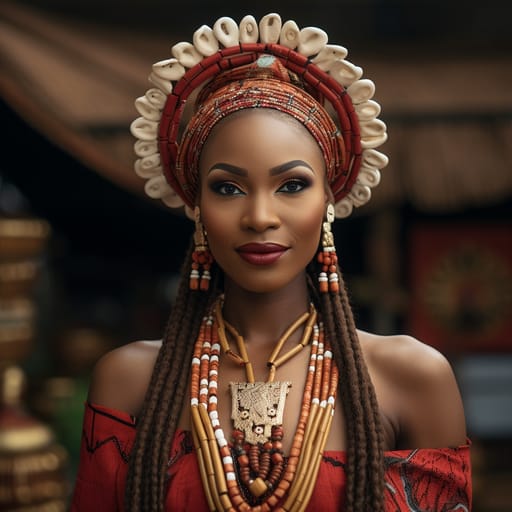
Catalog portraits for Igbo are AI-generated adult subjects; the measurements on this page come from documented photographs of real people, not from these images.
Fitzpatrick skin type
n = 50 assessable · 1 not assessableSix-class ordinal classification of constitutive skin pigmentation, originally developed for sun-reactivity assessment but now the de-facto skin-tone vocabulary in dermatology and computer-vision fairness research.
| Value | Share | n | |
|---|---|---|---|
| Type III — mediumSometimes burns, gradually tans. Light olive to medium skin tone. Common in Mediterranean European, Middle Eastern, and East Asian populations. | 2% | 1 | |
| Type IV — olive / light brownBurns minimally, tans easily and well. Olive to light brown skin. Common in Mediterranean, Middle Eastern, Latin American, Southeast Asian populations. | 4% | 2 | |
| Type V — brownRarely burns, tans deeply. Brown skin tone. Common in South Asian, North African, Middle Eastern, some Latin American populations. | 48% | 24 | |
| Type VI — deeply pigmented brown to blackNever burns, deeply pigmented at baseline. Common in Sub-Saharan African, African-diaspora, some South Asian, some Pacific Islander populations. | 38% | 19 | |
| Range III-IVBridging type used when assessment indicates the subject sits between Types III and IV. | 4% | 2 | |
| Range IV-VBridging type used when assessment indicates the subject sits between Types IV and V. | 2% | 1 | |
| Range V-VIBridging type used when assessment indicates the subject sits between Types V and VI. | 2% | 1 |
Vocabulary: Fitzpatrick skin type (fitzpatrick_1988)
Skin undertone
n = 43 assessable · 8 not assessableHue character of the skin independent of overall depth (Fitzpatrick). Reflects relative balance of hemoglobin (red), melanin (brown), and carotenoid (yellow) contributions to perceived color.
| Value | Share | n | |
|---|---|---|---|
| Warm (yellow / golden)Yellow, peach, or golden cast. Veins on inner wrist appear greenish. | 77% | 33 | |
| NeutralBalanced; neither warm nor cool dominant. | 16% | 7 | |
| Cool (pink / red / blue)Pink, rosy, or bluish cast. Veins on inner wrist appear blue or purple. | 7% | 3 |
Vocabulary: Skin undertone (undertone_qualitative)
Pigmentation pattern
n = 50 assessable · 1 not assessableDistribution pattern of skin pigmentation independent of overall Fitzpatrick depth.
| Value | Share | n | |
|---|---|---|---|
| UniformEven pigmentation across visible skin; no obvious lighter or darker patches. | 98% | 49 | |
| Freckled (ephelides)Visible ephelides — small, well-circumscribed, sun-induced macules. Concentrated on sun-exposed areas; common in Fitzpatrick I-III. | 2% | 1 |
Vocabulary: Pigmentation pattern (pigmentation_pattern_qualitative)
Freckling density
n = 51 assessableDensity of visible freckles (ephelides) on the face. A separate dimension from pigmentation_pattern because freckling density varies continuously and is meaningful even within the freckled category.
| Value | Share | n | |
|---|---|---|---|
| NoneNo discernible freckles. | 98% | 50 | |
| ModerateClearly freckled but countable in clusters. | 2% | 1 |
Vocabulary: Freckling density (freckle_density_qualitative)
Where these numbers come from
54 publicly documented portraits of notable Igbo people were assessed by a vision model against the full 22-vocabulary schema, one value per dimension. Values are what the photographs show, read by a model, not population measurements. Each table counts only portraits where the value could be assessed; covered, obscured and unclear portraits are reported separately.
Notable-people corpora skew older, so hair color over-represents gray and white, and image quality varies. Treat shares as a description of this sample.
These rows are not yet in the published catalog dataset, which currently carries the earlier single-row analysis; see the methodology. A family page exists only when at least 10 portraits carry an assessable value.